With more than 10‑year industry experience, Shandong Headpowder delivers full‑service pneumatic‑conveying systems and blowers, undertaking nationwide turn‑key powder‑handling projects.
For industries dealing with aluminum foil, the selection of an efficient and reliable material handling system is crucial. Pneumatic conveying technology has emerged as a preferred solution due to its ability to handle delicate materials like aluminum foil with precision and minimal damage. This article explores the application and optimization of pneumatic conveying systems specifically designed for aluminum foil transport, highlighting key considerations and benefits.
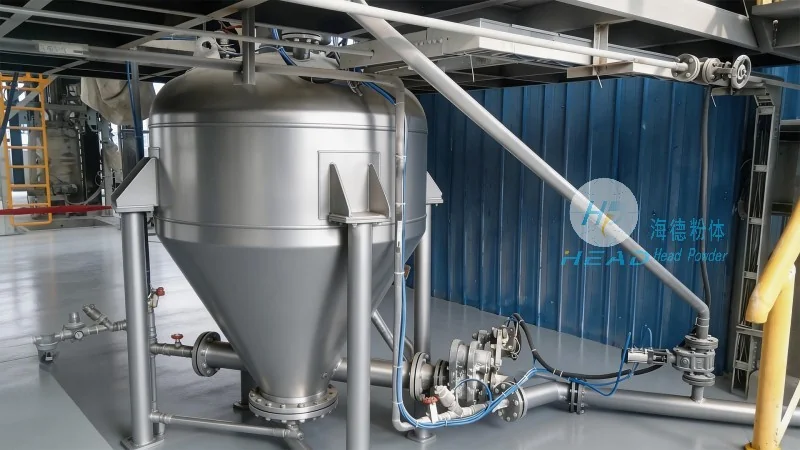
Pneumatic conveying systems utilize air or gas to transport bulk materials through a pipeline network. In the context of aluminum foil, these systems are engineered to maintain the integrity of the foil while ensuring smooth and continuous operation. The technology is particularly advantageous for aluminum foil because it avoids mechanical contact, reducing the risk of scratches, tears, or other forms of damage that can occur with traditional belt or screw conveyors. This makes pneumatic conveying ideal for applications where product quality is paramount.
The effectiveness of a pneumatic conveying system for aluminum foil depends on several critical components and design choices. First, the type of conveying system—whether it is a pressure or vacuum system—must be selected based on the specific process requirements. Pressure systems are typically used for short to medium distances and high material flow rates, while vacuum systems are better suited for longer distances or when handling lighter materials. For aluminum foil, a pressure system is often preferred due to its ability to maintain consistent air pressure and prevent material degradation.
Second, the material of construction for the conveying lines and components is a key factor. Aluminum foil is a lightweight and delicate material, so the system must be constructed from materials that are non-reactive and do not cause contamination. Stainless steel or specialized plastic liners are commonly used to ensure the foil remains clean and free from any residues. Additionally, the design of the system must account for the low density and high surface area of aluminum foil, which can affect air flow and pressure requirements.
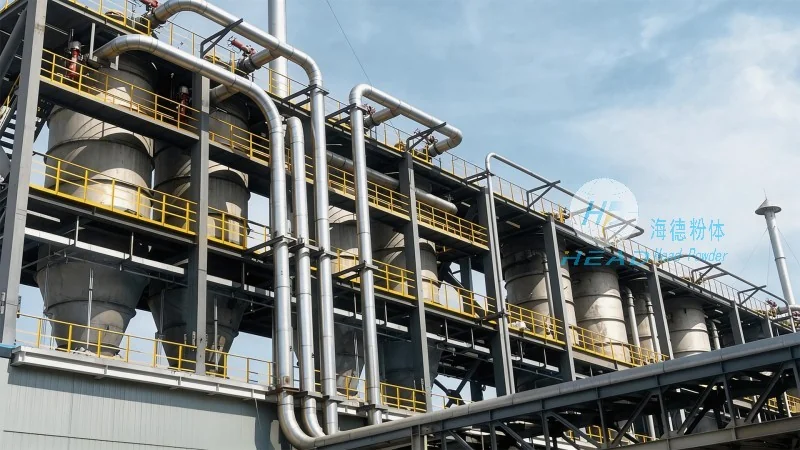
Optimization of pneumatic conveying systems involves several strategies to enhance efficiency and reliability. One key aspect is the selection of appropriate air velocity and pressure. Too low a velocity may cause material to settle in the pipeline, leading to blockages, while too high a velocity can cause excessive wear on the system components and potentially damage the aluminum foil. Engineers typically aim for an air velocity that is sufficient to keep the material in suspension without causing undue stress.
Another optimization strategy involves the use of specialized equipment such as in-line mixers or de-dusters. These devices help to maintain a consistent flow of aluminum foil and prevent the accumulation of dust or debris that could affect the system's performance. For example, a de-duster can be installed to remove any loose particles from the aluminum foil before it enters the conveying line, reducing the risk of clogging and improving overall system efficiency.
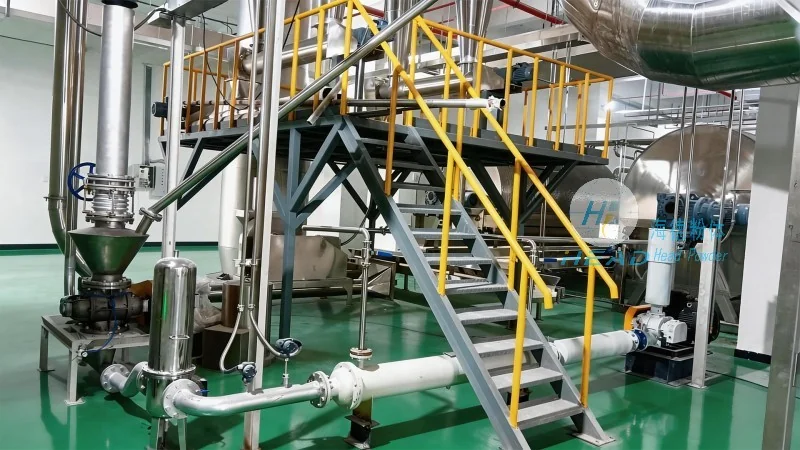
The implementation of optimized pneumatic conveying systems for aluminum foil offers numerous benefits for manufacturers. Firstly, it significantly reduces material handling costs by eliminating the need for manual handling or mechanical conveyors that may cause damage. This results in lower production costs and higher product quality. Secondly, the systems are highly flexible and can be easily integrated into existing production lines, allowing for seamless material transfer between different stages of the manufacturing process.
Thirdly, pneumatic conveying systems provide better control over the material flow, enabling precise dosing and timing of aluminum foil delivery. This is particularly important in applications such as packaging or coating, where the exact amount and placement of aluminum foil are critical. The ability to control the flow also helps in maintaining consistent product quality and reducing waste.
In conclusion, the application and optimization of pneumatic conveying technology in aluminum foil transport is a highly effective solution for industries seeking to enhance their material handling processes. By carefully selecting the appropriate system components, optimizing air velocity and pressure, and incorporating specialized equipment, manufacturers can achieve efficient, reliable, and damage-free transport of aluminum foil. The benefits of such systems, including cost reduction, improved product quality, and enhanced process control, make them a valuable investment for any aluminum foil processing operation.

 Shandong Headpowder Engineering Co., Ltd.
 156-6277-7102(Manager Zhang)
  0531-83386006
  Zhangqiu District, Jinan City, Shandong Province, China
telephone
WeChatconsult
top