

What is a Calcite Material Pneumatic Conveying System? And What Are Its Design Principles?
Calcite, a common calcium carbonate mineral, is widely used in various industrial applications such as construction, pharmaceuticals, and chemical manufacturing. The efficient handling and transportation of calcite powder are crucial for maintaining production efficiency and product quality. A pneumatic conveying system offers a reliable solution for transporting calcite materials from one location to another within a facility or between different sites. This article explores the fundamental aspects of a calcite material pneumatic conveying system, including its design principles and key components.
About Shandong HeadPowder Engineering Co., Ltd.
Shandong HeadPowder Engineering Co., Ltd., commonly known as HeadPowder, is a leading manufacturer and supplier of advanced material handling solutions. With a strong focus on innovation and customer satisfaction, HeadPowder specializes in designing and manufacturing pneumatic conveying systems tailored to the unique needs of various industries. The company’s headquarters is located in Shandong, China, where it leverages local expertise and resources to deliver high-quality products and services to clients worldwide.
Key Components of a Calcite Pneumatic Conveying System
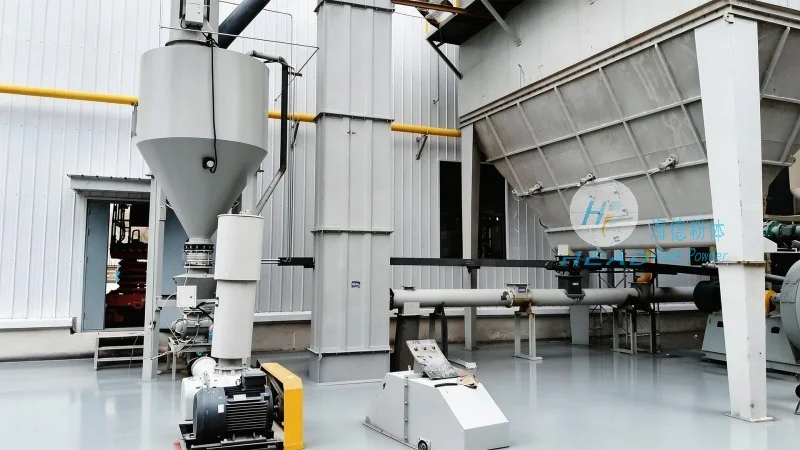
A calcite material pneumatic conveying system typically consists of several essential components that work together to ensure efficient material transport. The primary components include a hopper for material storage, a feeder to control the flow of calcite powder, a conveying line (often equipped with ducts and fittings), a vacuum or pressure source to generate the air flow, and a receiver to collect the conveyed material. Each component plays a critical role in the overall performance and reliability of the system.
Design Principles for Optimal Performance
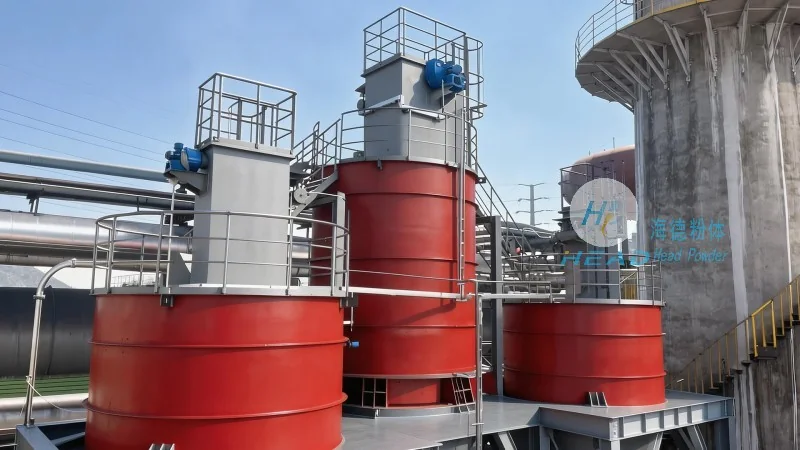
The design of a calcite pneumatic conveying system follows specific principles to ensure it operates efficiently and safely. One of the fundamental principles is the selection of appropriate air velocity and pressure to match the properties of the calcite material. Calcite is a fine powder with specific particle size and density, which influences the required air flow rate and pressure to prevent blockages and ensure smooth transport. Another key principle is the proper sizing of the conveying line and components to accommodate the material's flow characteristics and minimize pressure losses. Additionally, the system design must consider factors such as material moisture content, dust explosion risks, and environmental regulations to ensure compliance and safety.
Advantages of Using a Pneumatic Conveying System for Calcite
Implementing a pneumatic conveying system for calcite material offers several advantages over traditional methods like belt conveyors or bucket elevators. One of the main benefits is the ability to transport calcite powder in a closed system, which helps prevent dust contamination and improves workplace safety. The system also allows for flexible routing of the conveying line, enabling the material to be transported to multiple destinations without the need for complex reconfiguration. Furthermore, pneumatic conveying systems can handle calcite powder with high efficiency, reducing material loss and improving overall production throughput. These advantages make pneumatic conveying an ideal choice for industries that require precise and reliable handling of calcite materials.
Application Examples in Industrial Settings
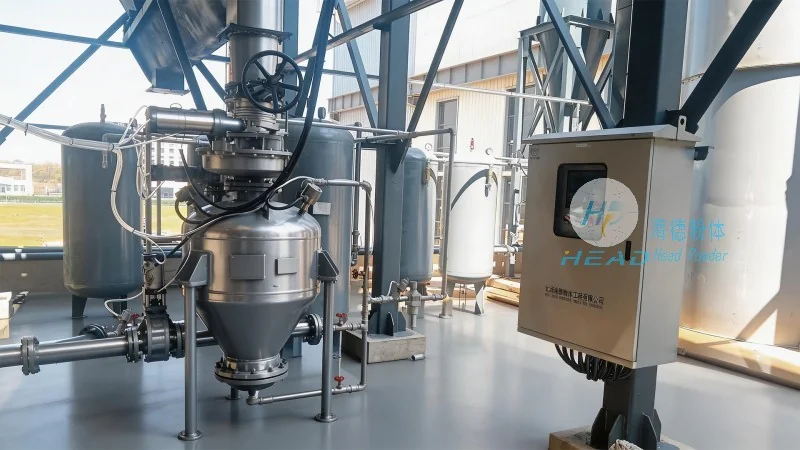
Calcite material pneumatic conveying systems are widely used in various industrial applications. For instance, in the construction industry, calcite is used as a filler in cement and concrete production. A pneumatic conveying system can efficiently transport calcite powder from storage silos to mixing plants, ensuring consistent material supply and quality control. In the pharmaceutical industry, calcite is used as an excipient in drug formulations. The closed system of a pneumatic conveying system helps maintain the purity and sterility of the calcite powder, preventing contamination and ensuring compliance with regulatory standards. Similarly, in the chemical industry, calcite is used in the production of calcium carbonate-based products. The system's ability to handle fine powders with precision makes it suitable for applications where material consistency is critical.
Conclusion and Contact Information
Calcite material pneumatic conveying systems are essential equipment for industries that rely on the efficient handling of calcium carbonate powders. The design principles and components of such systems are carefully engineered to ensure optimal performance, safety, and reliability. Shandong HeadPowder Engineering Co., Ltd. provides high-quality pneumatic conveying solutions tailored to the specific needs of calcite material handling. With its headquarters in Shandong, China, HeadPowder leverages local expertise and advanced technology to deliver innovative and effective material handling systems to clients globally. For more information about calcite material pneumatic conveying systems or to explore customized solutions, please contact Shandong HeadPowder Engineering Co., Ltd.