With more than 10‑year industry experience, Shandong Headpowder delivers full‑service pneumatic‑conveying systems and blowers, undertaking nationwide turn‑key powder‑handling projects.
When it comes to the transportation of lithium carbonate, selecting the right delivery method is crucial for ensuring efficiency, safety, and cost-effectiveness in industrial operations. Lithium carbonate, a key raw material in the production of lithium-ion batteries and other lithium-based products, requires careful handling due to its chemical properties and the need for precise control during transport. This article provides a detailed comparison of common lithium carbonate delivery methods, highlighting their characteristics, advantages, and practical applications. The information is presented by Shandong HeadPowder Engineering Co., Ltd., a leading provider of engineering solutions for chemical processing, with operations based in Shandong, China.
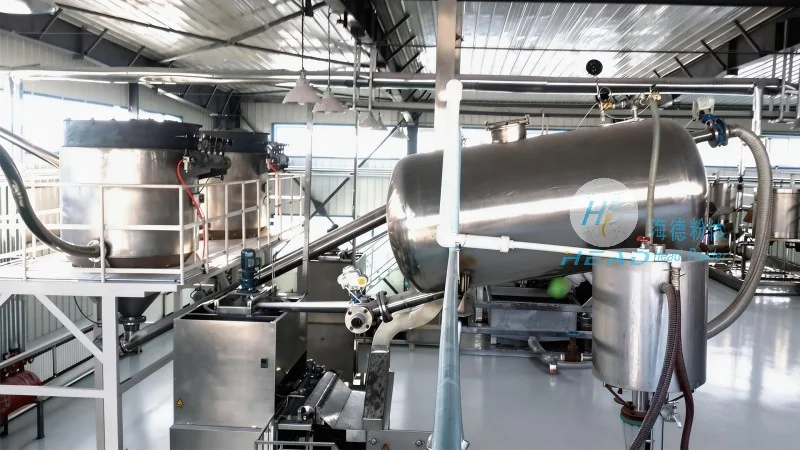
Lithium carbonate is typically transported from storage or production facilities to processing units or packaging areas using various systems. The choice of delivery method depends on factors such as the scale of operation, the distance to be covered, the required flow rate, and the environmental conditions. Common methods include gravity flow, pump systems, and vacuum-assisted transport. Each method has distinct features that make it suitable for specific scenarios.
Gravity flow, also known as static or free-flow delivery, relies on the natural force of gravity to move lithium carbonate from a higher elevation to a lower one. This method is commonly used in facilities where the storage and processing units are at different heights, allowing the material to flow through a sloped pipe or chute without the need for external power. The primary advantage of gravity flow is its simplicity and low operational cost, as it eliminates the need for pumps or other mechanical equipment. However, its effectiveness is limited by the vertical distance between the source and destination, and it may not be suitable for long horizontal distances or when the material needs to be moved to a higher elevation.
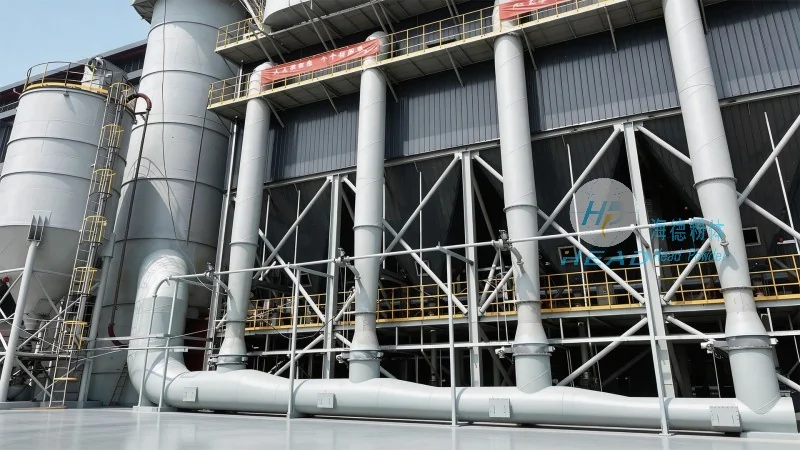
Pump systems are widely used for the bulk transport of lithium carbonate, especially in applications requiring high flow rates or over longer distances. There are several types of pumps suitable for this application, including centrifugal pumps, positive displacement pumps, and diaphragm pumps. Centrifugal pumps are commonly used for their ability to handle large volumes of material at relatively low pressures, making them ideal for transporting lithium carbonate in solution or slurry form. Positive displacement pumps, such as gear pumps or screw pumps, are preferred when a precise flow rate is required, as they maintain a consistent output regardless of pressure changes. Diaphragm pumps are often used for handling viscous or abrasive materials, ensuring minimal wear and tear on the pump components.
Pneumatic conveying systems use air or other gases to transport lithium carbonate particles through a pipeline. This method is particularly effective for handling dry, free-flowing powders and can be used for both short and long distances. There are two main types of pneumatic conveying: pressure and vacuum systems. Pressure systems push the material through the pipeline using compressed air, while vacuum systems draw the material into the pipeline using a vacuum. Pneumatic conveying offers advantages such as the ability to transport material over long distances without the need for multiple transfer points and the flexibility to integrate with existing process equipment. However, it requires careful control of air pressure and flow rates to prevent material degradation or blockages.
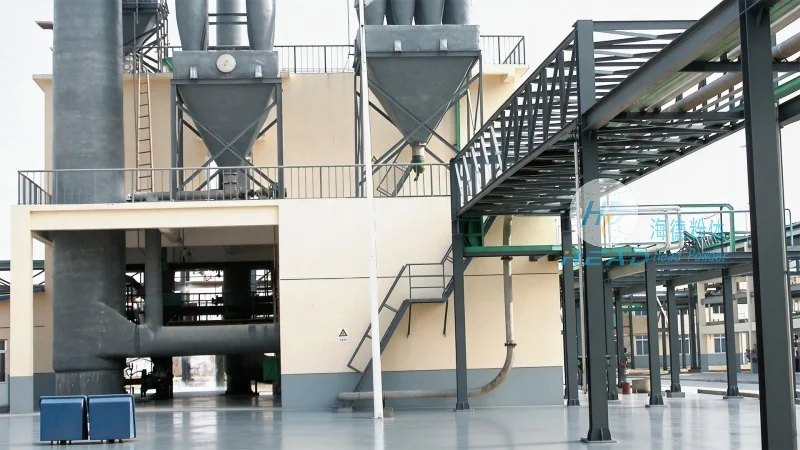
Vacuum-assisted delivery systems are often used in conjunction with other methods to enhance the efficiency of lithium carbonate transport, especially in applications where the material needs to be moved from a lower to a higher elevation or over long horizontal distances. These systems use a vacuum pump to create a pressure differential that pulls the material through the pipeline. Vacuum-assisted delivery is particularly useful for handling fine powders that are prone to clogging or for applications where the material must be transported through multiple bends or obstacles. The main advantages of this method include reduced energy consumption compared to pressure systems and the ability to handle materials with high moisture content or sticky properties.
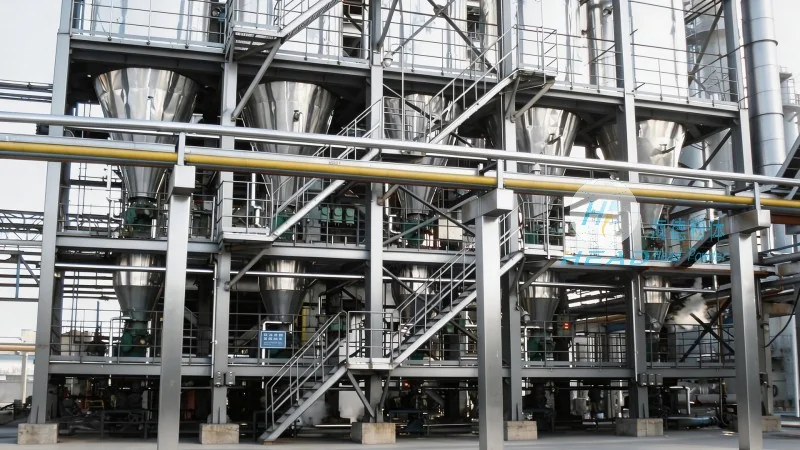
When choosing a lithium carbonate delivery method, several factors must be considered to ensure optimal performance and safety. First, the physical properties of the material, such as particle size, density, and moisture content, play a significant role in determining the most suitable system. For example, fine powders may require pneumatic conveying or vacuum-assisted systems to prevent clogging, while larger chunks may be better suited for gravity flow or pump systems. Second, the distance and elevation changes between the source and destination must be evaluated to select a method that can handle the required vertical and horizontal movement. Third, the scale of operation and expected flow rate are critical, as larger facilities may require more robust systems like pump or pneumatic conveyors. Finally, safety considerations, including the risk of dust explosion or material spillage, must be addressed by selecting appropriate equipment and implementing proper safety protocols.
Choosing the right lithium carbonate delivery method is essential for the smooth operation of industrial processes. Each method has its own advantages and limitations, and the optimal choice depends on the specific requirements of the application. Shandong HeadPowder Engineering Co., Ltd. specializes in providing customized engineering solutions for lithium carbonate processing, including the design and implementation of efficient delivery systems. By understanding the characteristics of different delivery methods and considering the operational needs of the facility, companies can select the most suitable approach to ensure reliable and cost-effective transport of lithium carbonate. Whether using gravity flow, pump systems, pneumatic conveying, or vacuum-assisted methods, the goal is to maintain the quality and integrity of the material while minimizing operational costs and ensuring safety in the workplace.

 Shandong Headpowder Engineering Co., Ltd.
 156-6277-7102(Manager Zhang)
  0531-83386006
  Zhangqiu District, Jinan City, Shandong Province, China
telephone
WeChatconsult
top