

What is the Pneumatic Conveying of Urea Granular Material? What Are the Design Principles?
Urea, a widely used nitrogen fertilizer, is often supplied in granular form. The efficient and reliable transport of these granular materials from production sites to storage or processing facilities is crucial for industrial operations. Pneumatic conveying systems offer a solution to this challenge by utilizing air as the conveying medium to move urea granules through pipelines. This article explores the fundamental aspects of pneumatic conveying for urea granular materials and delves into the key design principles that ensure optimal performance.
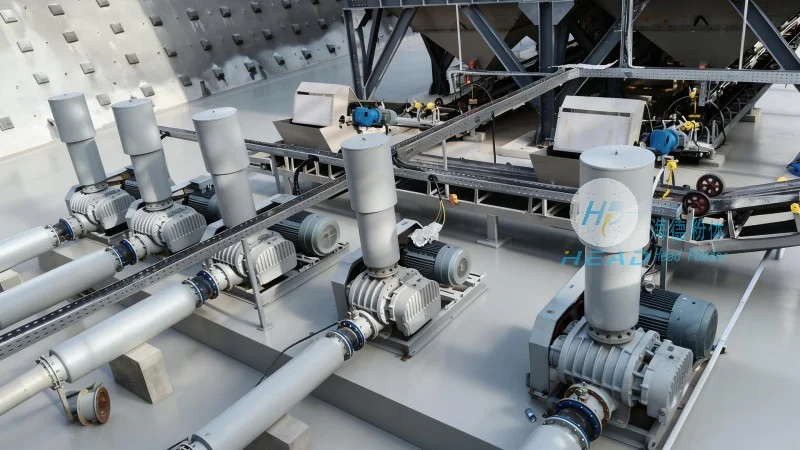
The Core Components of a Pneumatic Conveying System for Urea Granules
A pneumatic conveying system for urea granular material typically consists of several critical components that work in tandem to achieve effective material transport. The primary elements include a hopper or feeder to store and feed the urea granules, a compressor or blower to generate the necessary air pressure, a pipeline network to guide the material and air mixture, and a receiver or discharge unit to collect the conveyed urea. Additionally, control valves, filters, and safety devices are often integrated to regulate the system and prevent operational issues. The design of each component must consider the specific characteristics of urea granules, such as their size, density, and flowability, to ensure smooth and efficient operation.
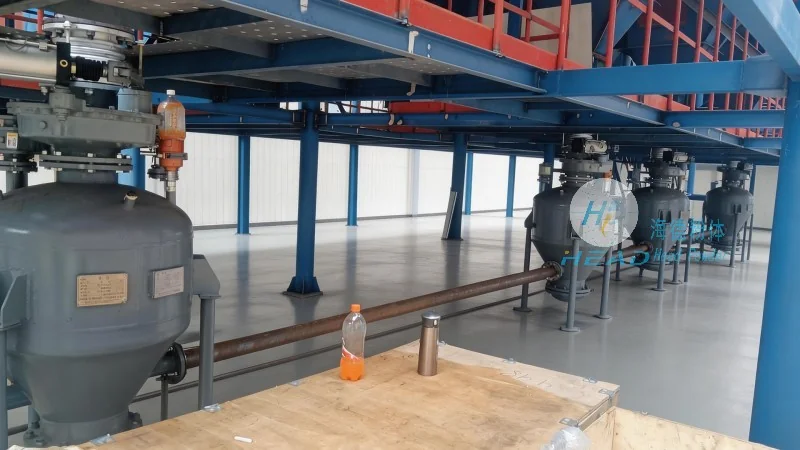
Design Principles for Optimal Performance in Urea Granular Conveying
The design of a pneumatic conveying system for urea granules requires careful consideration of several factors to achieve high efficiency, low energy consumption, and minimal material degradation. One of the fundamental principles is the selection of the appropriate air velocity and pressure. The air velocity must be sufficient to overcome the gravitational forces and friction within the pipeline but not so high as to cause excessive wear on the equipment or degrade the urea granules. The pressure drop across the system is another critical parameter, as it directly impacts energy consumption. Engineers must balance the pressure requirements with the available power and system constraints to minimize operational costs.
Material Handling Considerations in Urea Granular Pneumatic Conveying
Urea granules have specific physical properties that influence the design and operation of the conveying system. For instance, the granules may have a tendency to agglomerate or clog the pipeline if not properly handled. To mitigate this, the system may incorporate features such as vibration feeders, rotary valves, or air knives to maintain a consistent flow rate and prevent blockages. The choice of pipeline material is also important, as urea can be corrosive to certain metals. Stainless steel or specialized coatings are often used to protect the pipeline from chemical attack and ensure long-term durability. Furthermore, the system must be designed to handle variations in urea granule size and moisture content, as these factors can affect the conveying efficiency and system performance.
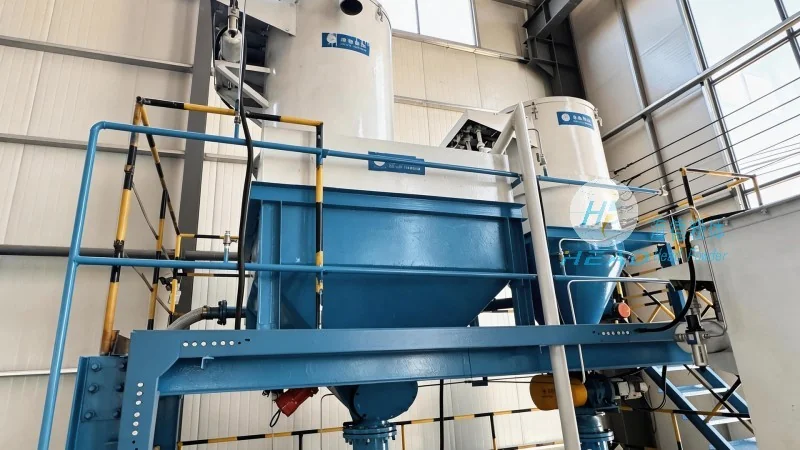
The Role of HeadPowder in Pneumatic Conveying Solutions
Shandong HeadPowder Engineering Co., Ltd., a leading provider of engineering solutions for material handling, specializes in designing and manufacturing pneumatic conveying systems tailored to the needs of urea and other granular materials. With years of experience in the industry, HeadPowder has developed a deep understanding of the unique challenges associated with urea granular conveying and has developed innovative solutions to address them. The company's expertise lies in the integration of advanced control systems, robust component design, and comprehensive testing to ensure that each system meets the highest standards of performance and reliability. By leveraging their knowledge and experience, HeadPowder helps clients optimize their material handling processes, reduce operational costs, and enhance overall productivity.