With more than 10‑year industry experience, Shandong Headpowder delivers full‑service pneumatic‑conveying systems and blowers, undertaking nationwide turn‑key powder‑handling projects.
When designing a pneumatic conveying system for pyrolysis char, it is crucial to consider several key factors to ensure efficiency, reliability, and cost-effectiveness. Pyrolysis char, a byproduct of the pyrolysis process, often requires specialized handling due to its characteristics such as high density, fine particle size, and potential for dust generation. A well-designed system can optimize material transport while minimizing operational risks and maintenance costs.
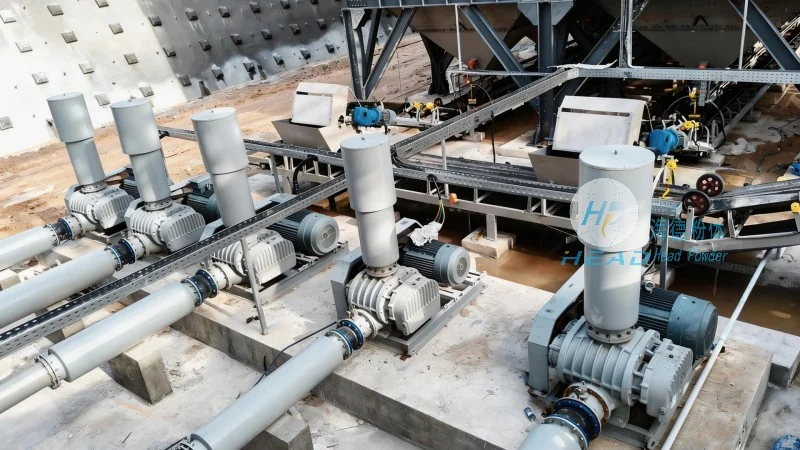
Several critical aspects must be addressed during the design phase. First, the material properties of pyrolysis char are paramount. These properties include particle size distribution, moisture content, and bulk density, which directly influence the selection of conveying equipment and system configuration. For instance, fine particles may require higher air velocities to prevent clogging, while high bulk density may necessitate larger duct sizes or more powerful air movers. Additionally, the system must account for the potential for dust explosions, as pyrolysis char can be combustible under certain conditions. Therefore, incorporating explosion-proof components and proper ventilation is essential for safety compliance.
The pneumatic conveying system for pyrolysis char typically consists of several core components, each playing a vital role in the overall operation. The primary components include the material feed hopper, air supply system (blowers or compressors), conveying ducts, and a receiver or discharge unit. The feed hopper is designed to store and meter the pyrolysis char, ensuring a consistent flow into the system. It often features a hopper design with a conical bottom to facilitate smooth discharge and prevent material bridging. The air supply system provides the necessary pressure and volume of air to move the material through the ducts. This can range from positive displacement blowers to rotary lobe compressors, depending on the system's capacity and pressure requirements. The conveying ducts are constructed from materials resistant to abrasion and corrosion, such as stainless steel or special alloys, to withstand the abrasive nature of pyrolysis char particles. The receiver or discharge unit collects the conveyed material and may include a dust collection system to control airborne particles and ensure environmental compliance.
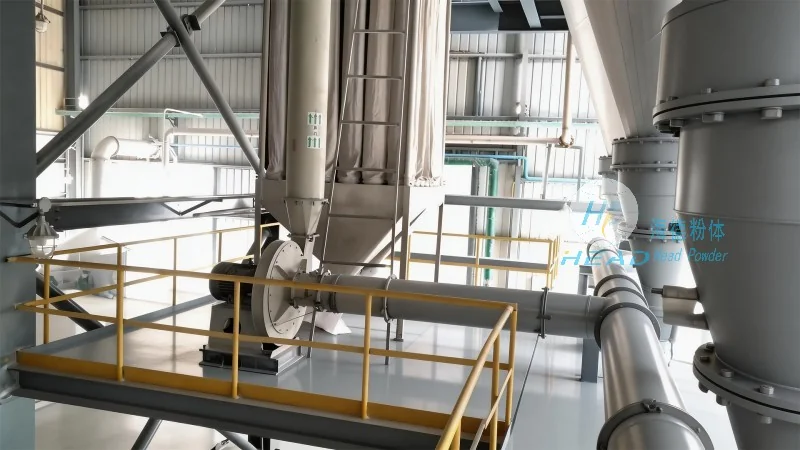
Choosing the appropriate conveying technology is a critical decision that impacts system performance and cost. Two main types of pneumatic conveying systems are commonly used: dilute-phase and dense-phase. Dilute-phase systems operate at higher air velocities, typically 20-30 m/s, and are suitable for fine particles with low bulk density. They are generally more energy-efficient but may require larger ducts and higher air volumes. Dense-phase systems, on the other hand, operate at lower air velocities (5-15 m/s) and higher pressure, creating a dense mixture of material and air. This method is ideal for handling coarse particles or materials prone to clogging, as it reduces the risk of blockages and ensures more reliable transport. The selection between these technologies depends on the specific characteristics of the pyrolysis char and the application requirements, such as distance, throughput, and material handling constraints.
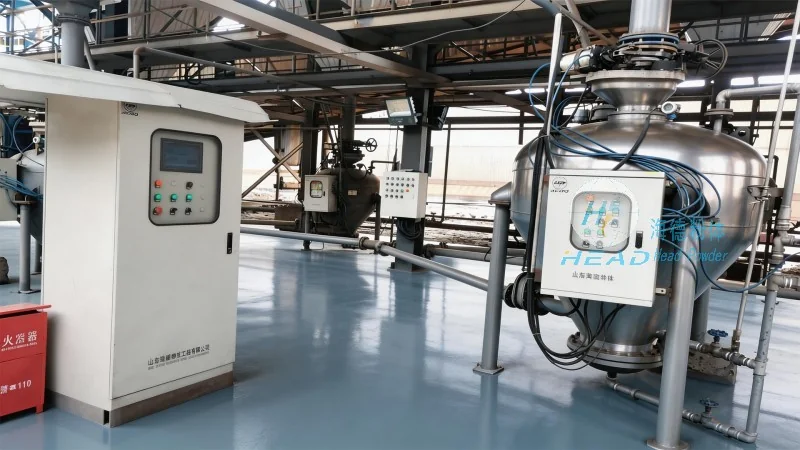
Accurately sizing the pneumatic conveying system is essential to meet the operational demands while avoiding overdesign or underperformance. The system capacity is determined by factors such as the required material throughput, the distance the material needs to be conveyed, and the available air supply pressure. Engineers must calculate the air volume and pressure required to move the material at the desired velocity, considering friction losses in the ducts and any pressure drops across components like valves and filters. This involves detailed fluid dynamics analysis to ensure that the system can maintain the necessary flow rates without excessive energy consumption. Proper capacity planning also includes considering future expansion needs, as the pyrolysis process may scale up over time, requiring an adaptable system design.
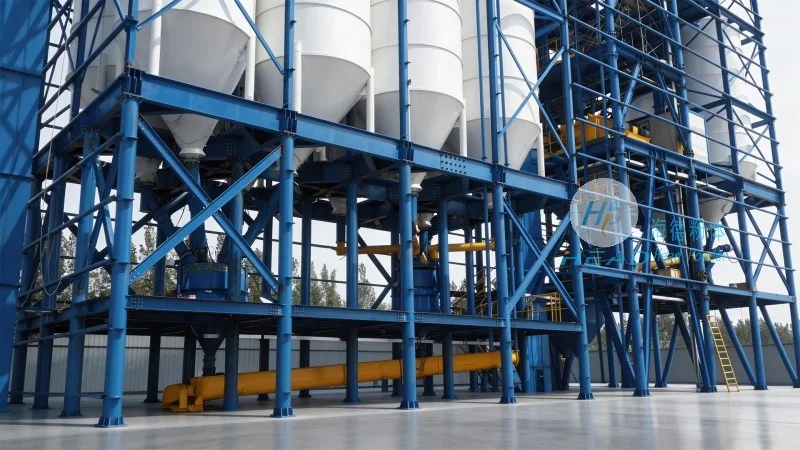
Proper installation and regular maintenance are crucial for the long-term reliability and efficiency of the pyrolysis char pneumatic conveying system. During installation, it is important to ensure that all components are properly aligned and connected to minimize leaks and pressure losses. The ductwork should be designed with appropriate slopes to facilitate air and material flow, preventing the accumulation of material in low points. Regular maintenance tasks include inspecting and cleaning the feed hopper, checking the air supply system for wear and tear, and maintaining the ducts and receiver for any signs of abrasion or corrosion. Additionally, implementing a preventive maintenance schedule can help identify potential issues early, reducing downtime and extending the system's lifespan. Proper training for operators on system operation and safety procedures is also essential to ensure safe and efficient operation.
Shandong HeadPowder Engineering Co., Ltd., a leading provider of engineering solutions for material handling systems, has successfully implemented several pyrolysis char pneumatic conveying systems for clients in the pyrolysis industry. One notable project involved designing a system for a client processing biomass waste into pyrolysis char, with the goal of transporting the char from the reactor to a storage silo over a distance of 50 meters. The system was designed using dense-phase technology to handle the coarse pyrolysis char particles and prevent clogging. The components included a stainless steel feed hopper with a screw feeder, a high-pressure blower, and a receiver with a dust collection system. The system was installed and commissioned by HeadPowder's engineering team, who provided comprehensive support throughout the process. The client reported significant improvements in material transport efficiency, reduced maintenance costs, and enhanced safety compliance. This case study highlights the expertise and capabilities of Shandong HeadPowder Engineering Co., Ltd. in designing and implementing effective pyrolysis char pneumatic conveying systems.

 Shandong Headpowder Engineering Co., Ltd.
 156-6277-7102(Manager Zhang)
  0531-83386006
  Zhangqiu District, Jinan City, Shandong Province, China
telephone
WeChatconsult
top