With more than 10‑year industry experience, Shandong Headpowder delivers full‑service pneumatic‑conveying systems and blowers, undertaking nationwide turn‑key powder‑handling projects.
Dry flue gas desulfurization (DFGD) is a critical process in power generation and industrial facilities to reduce sulfur dioxide emissions. The byproduct of this process is dry flue gas desulfurization ash, which requires efficient and reliable handling to ensure environmental compliance and operational efficiency. The choice of ash handling method significantly impacts the overall performance and cost of the desulfurization system. This article explores the primary methods for transporting dry flue gas desulfurization ash, highlighting key considerations for selection and implementation.
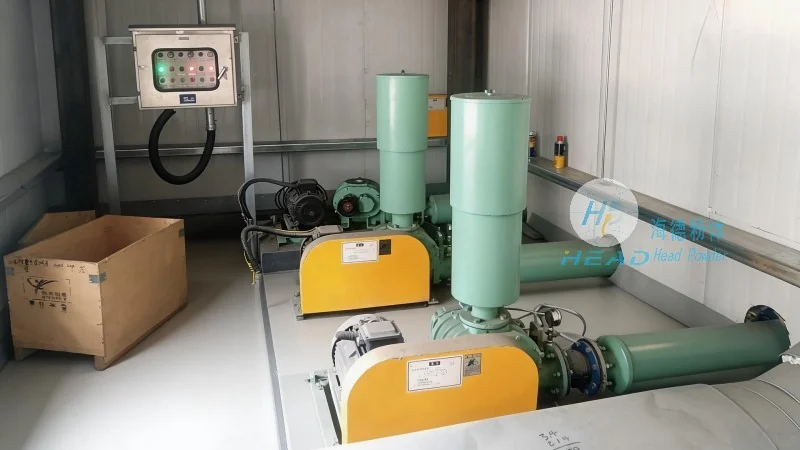
Dry flue gas desulfurization ash, also known as DFGD gypsum or fly ash from the desulfurization process, is a fine, dry powder composed primarily of calcium sulfate dihydrate (CaSO₄·2H₂O). This material is typically produced in large quantities and must be transported from the desulfurization unit to storage or disposal sites. The physical properties of the ash, such as its moisture content, particle size, and density, influence the selection of the most suitable handling and transport method. Proper ash management is essential to prevent environmental contamination and to maintain the integrity of downstream processes.
Several technologies are employed for the transport of dry flue gas desulfurization ash, each with distinct advantages and limitations. The selection of a method depends on factors like the distance to the storage site, the scale of ash production, and the existing infrastructure at the facility. Key transport methods include:
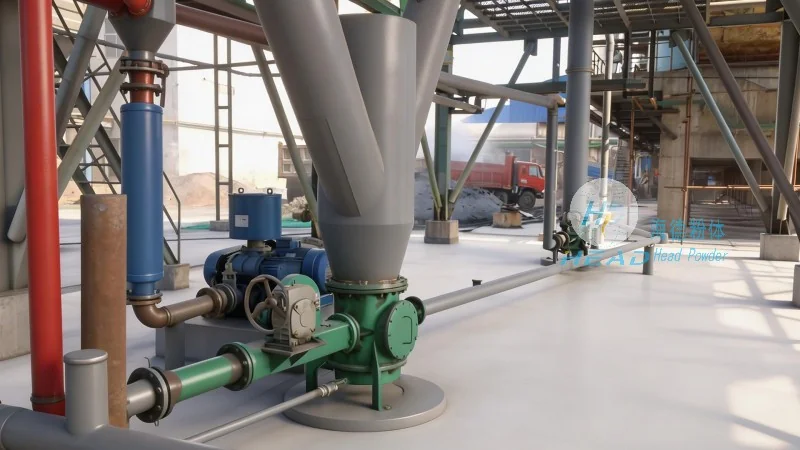
Pneumatic conveying is a widely used method for transporting dry materials, including DFGD ash, over short to medium distances. This technology utilizes compressed air to move the ash through a network of pipes. There are two main types of pneumatic conveying systems: positive pressure and negative pressure. Positive pressure systems push the material through the pipeline using a blower at the inlet, while negative pressure systems draw the material into the system using a vacuum at the outlet. Pneumatic conveying offers advantages such as low maintenance, the ability to handle fine powders, and the flexibility to route the ash to multiple destinations. However, it requires careful control of air flow and pressure to prevent material degradation or blockages. The system also needs to be designed to handle the specific characteristics of DFGD ash, including its moisture content and particle size distribution.
Mechanical conveying systems, such as belt conveyors, screw conveyors, and bucket elevators, are commonly used for transporting dry flue gas desulfurization ash over longer distances or within larger facilities. Belt conveyors are particularly effective for transporting ash in bulk quantities, as they can handle high volumes with minimal maintenance. Screw conveyors are suitable for horizontal or slight incline transport, providing a continuous flow of material. Bucket elevators are used for vertical transport, lifting the ash from lower to higher levels. Mechanical conveying systems are generally more cost-effective for longer distances and can handle larger particle sizes compared to pneumatic systems. However, they may require more space and maintenance, and are less flexible in terms of routing compared to pneumatic systems.
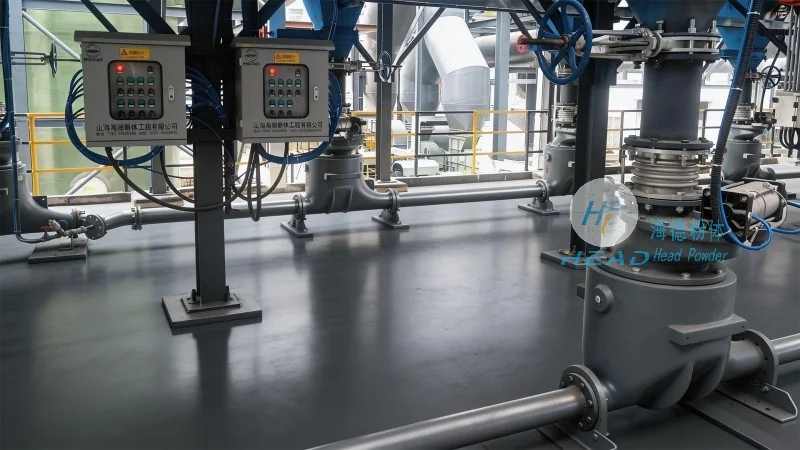
Hybrid conveying systems combine elements of both pneumatic and mechanical conveying to leverage the advantages of each method. For example, a system might use a belt conveyor to transport ash from the desulfurization unit to a storage silo, and then use a pneumatic conveyor to move the ash from the silo to the disposal site. This approach allows for efficient handling of both bulk and fine materials, optimizing the overall transport process. Hybrid systems are often chosen when the facility has existing infrastructure that can be integrated with new conveying equipment, reducing capital and operational costs.
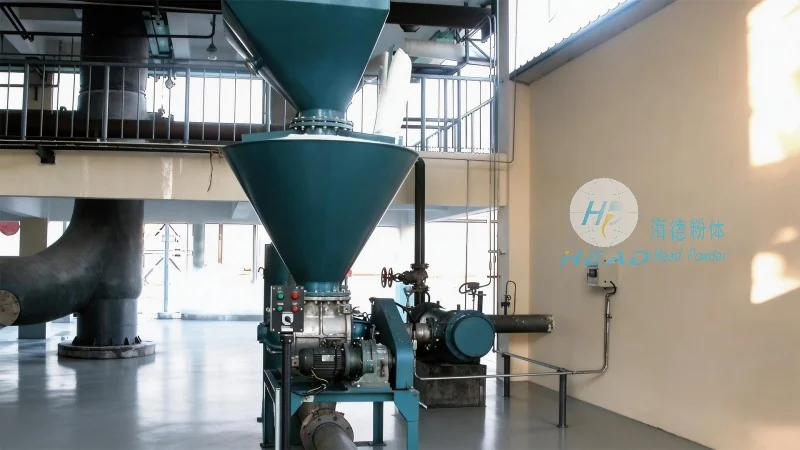
The selection of the most appropriate dry flue gas desulfurization ash transport method involves a careful evaluation of several factors. The distance between the desulfurization unit and the storage or disposal site is a primary consideration, as it determines whether a short-distance pneumatic system or a longer-distance mechanical system is more suitable. The scale of ash production also plays a role, as larger volumes may require more robust and high-capacity systems. The physical properties of the ash, including moisture content, particle size, and density, must be considered to ensure the chosen system can handle the material without degradation or blockages. Additionally, the existing infrastructure at the facility, such as available space, power supply, and existing conveyor networks, influences the feasibility and cost of different transport options. Environmental regulations and safety considerations are also critical, as the transport system must comply with local and national standards for air emissions and material handling.
Shandong HeadPowder Engineering Co., Ltd., a leading provider of engineering solutions for power and industrial facilities, specializes in designing and implementing efficient ash handling systems. With operations based in Shandong, China, HeadPowder Engineering has extensive experience in addressing the challenges of dry flue gas desulfurization ash transport. The company's expertise lies in customizing transport solutions to meet the specific needs of each client, considering factors such as facility layout, ash characteristics, and operational requirements. By leveraging advanced technology and a deep understanding of the industry, HeadPowder Engineering ensures that ash handling systems are not only effective but also cost-efficient and environmentally compliant. The company's commitment to quality and innovation has made it a trusted partner for facilities seeking reliable solutions for their dry flue gas desulfurization ash management needs.

 Shandong Headpowder Engineering Co., Ltd.
 156-6277-7102(Manager Zhang)
  0531-83386006
  Zhangqiu District, Jinan City, Shandong Province, China
telephone
WeChatconsult
top