With more than 10‑year industry experience, Shandong Headpowder delivers full‑service pneumatic‑conveying systems and blowers, undertaking nationwide turn‑key powder‑handling projects.
When it comes to the transportation of hydrogen chloride (HCl), selecting the right method is crucial for ensuring safety, efficiency, and compliance with industrial standards. Hydrogen chloride is a highly corrosive and toxic gas, making its handling and transport require specialized equipment and systems. In this article, we will explore various methods for HCl transportation and introduce the advanced solutions offered by Shandong HeadPowder Engineering Co., Ltd., commonly known as HeadPowder, a leading provider in the field.
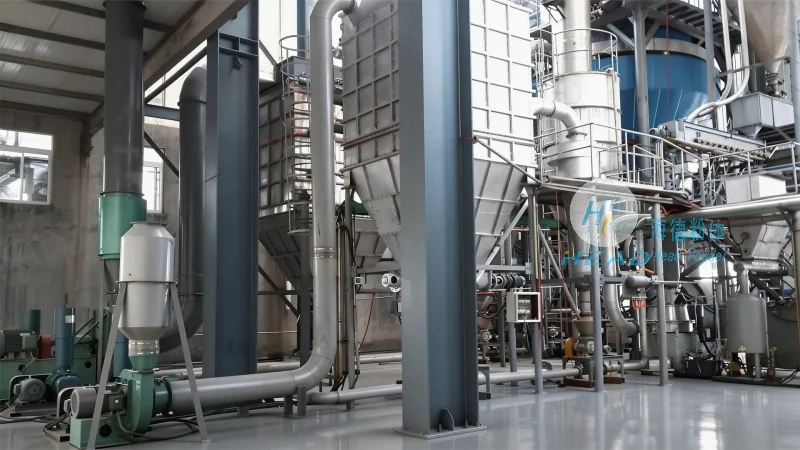
Hydrogen chloride is a colorless gas with a strong, pungent odor, commonly used in the production of various chemicals, including PVC, solvents, and pharmaceuticals. Due to its corrosive nature, it poses significant challenges during transportation. Traditional methods, such as liquid or solid forms, often require additional processing and storage, increasing complexity and risk. The primary goal of modern HCl transportation is to maintain the gas in its gaseous state while ensuring safe and efficient movement from production sites to end-users or processing facilities.
Several methods are employed for transporting hydrogen chloride, each with its own advantages and limitations. The most common approaches include:
1. Pneumatic Conveying: This method uses compressed air or other gases to move HCl through a pipeline system. It is widely used for its ability to handle the gas in its gaseous form, reducing the need for additional processing. Pneumatic systems can be categorized into pressure and vacuum types, each suited for different operational requirements.
2. Pressure Vessels and Tanks: For liquid HCl, pressure vessels and specialized tanks are used to transport the gas in its liquid state. These vessels are designed to withstand high pressures and corrosion, ensuring safe transport over longer distances.
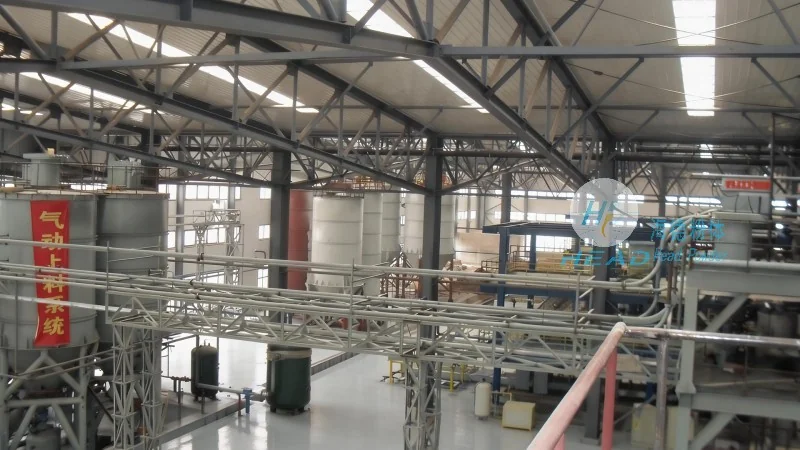
3. Truck and Rail Transport: In some cases, HCl is transported in specialized trucks or rail cars equipped with pressure vessels. This method is suitable for shorter distances and when the gas needs to be delivered directly to a processing plant.
HeadPowder, a reputable company based in Shandong, China, specializes in developing and manufacturing advanced pneumatic conveying systems for hydrogen chloride. The company's solutions are designed to address the unique challenges associated with HCl transportation, ensuring safety, reliability, and efficiency. Their systems are engineered to handle the corrosive nature of HCl while minimizing environmental impact and operational risks.
One of the key features of HeadPowder's pneumatic conveying systems is the use of high-quality materials, such as stainless steel and specialized coatings, to resist corrosion and ensure long-term durability. The company employs advanced control technologies to monitor and regulate the flow of HCl, maintaining optimal pressure and temperature levels throughout the transportation process.
HeadPowder's HCl pneumatic conveying systems consist of several critical components that work together to ensure smooth and safe operation:
1. Feeder and Metering Devices: These components are responsible for accurately feeding and metering the HCl into the conveying line. Precision feeders ensure consistent flow rates, preventing overloading or underloading of the system.
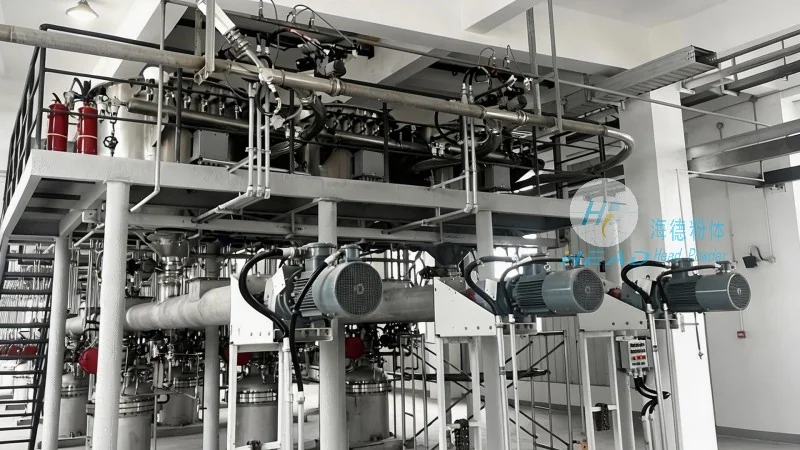
2. Conveying Pipeline: The pipeline is designed to withstand the corrosive effects of HCl and is typically made of stainless steel or other corrosion-resistant materials. The pipeline layout is optimized to minimize pressure drops and ensure efficient gas flow.
3. Compressor and Air Handling Unit: The compressor provides the necessary pressure to move the HCl through the pipeline. The air handling unit ensures that the compressed air is clean and free from contaminants that could affect the quality of the HCl.
4. Control and Monitoring Systems: Advanced control systems monitor parameters such as pressure, temperature, and flow rate, providing real-time data and alerts in case of any deviations. This helps operators to quickly identify and address issues, ensuring the safety and efficiency of the system.
Adopting HeadPowder's hydrogen chloride pneumatic conveying systems offers several significant benefits for industrial applications:
1. Enhanced Safety: The systems are designed with multiple safety features, including pressure relief valves, emergency shut-off mechanisms, and leak detection systems. These features help to minimize the risk of accidents and ensure compliance with safety regulations.
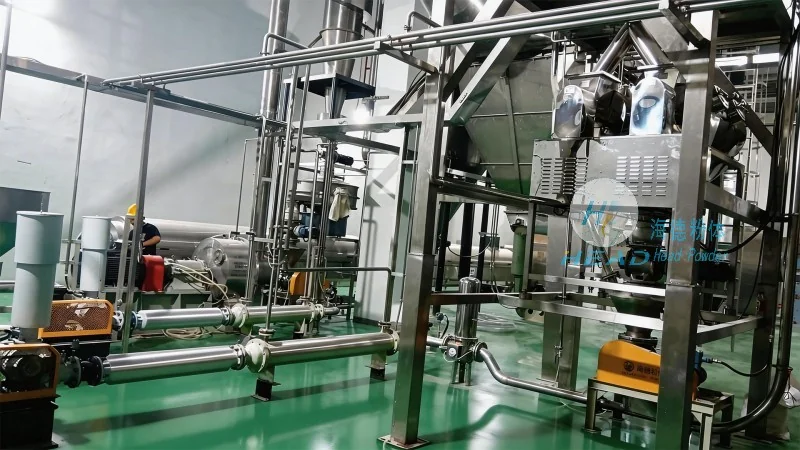
2. Improved Efficiency: The advanced control technologies and optimized pipeline design result in higher efficiency and lower operational costs. The systems can handle high flow rates while maintaining consistent pressure and temperature levels.
3. Reduced Maintenance: The use of high-quality materials and robust construction reduces the need for frequent maintenance, leading to lower downtime and longer service life.
4. Environmental Compliance: HeadPowder's systems are designed to minimize emissions and environmental impact, ensuring compliance with local and international regulations.
Transporting hydrogen chloride requires specialized and reliable systems to address the unique challenges associated with this corrosive gas. HeadPowder's advanced pneumatic conveying solutions provide an effective and efficient method for HCl transportation, ensuring safety, efficiency, and compliance. By leveraging their expertise and advanced technology, HeadPowder helps industrial facilities to optimize their HCl handling processes and meet the demands of modern chemical production.

 Shandong Headpowder Engineering Co., Ltd.
 156-6277-7102(Manager Zhang)
  0531-83386006
  Zhangqiu District, Jinan City, Shandong Province, China
telephone
WeChatconsult
top