With more than 10‑year industry experience, Shandong Headpowder delivers full‑service pneumatic‑conveying systems and blowers, undertaking nationwide turn‑key powder‑handling projects.
Limestone powder, a critical raw material in sectors like construction, agriculture, and chemical manufacturing, demands efficient and reliable transport systems to maintain operational efficiency. The choice of conveying method directly impacts production costs, safety, and material integrity. This article provides a comprehensive comparison of common limestone powder conveying methods, outlining their advantages and disadvantages to assist industries in selecting the optimal solution for their specific applications.
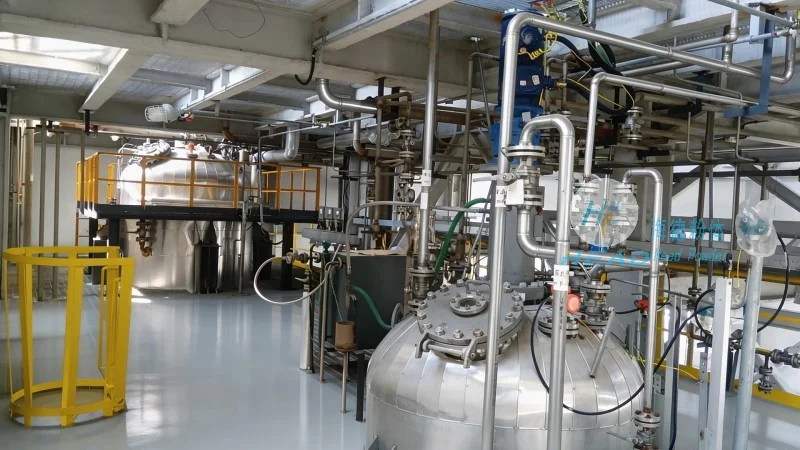
Pneumatic conveying systems utilize air or gas to transport limestone powder through pipelines. This method is favored for its ability to handle fine powders and minimize dust exposure. A key advantage is its flexibility, allowing transport over long distances and through complex layouts. Additionally, it reduces the risk of material contamination and integrates seamlessly with other processing equipment. However, pneumatic systems have higher energy consumption compared to other methods, may experience pressure drops in long pipelines, and require regular maintenance of air compressors and filters. The installation and operational costs are also higher, particularly for large-scale operations.
Screw conveyors, or auger conveyors, use a rotating screw to move limestone powder along a trough. Suitable for bulk material transport in continuous flow, they are widely used in mining, construction, and chemical industries. The primary advantage is simplicity and low maintenance, with relatively low installation costs. They can operate in vertical or horizontal configurations, offering versatility. However, they struggle with very fine or abrasive powders, leading to equipment wear and tear. The risk of material bridging or clogging is higher, especially with cohesive or sticky limestone powders. Long-distance transport is less effective compared to pneumatic systems.
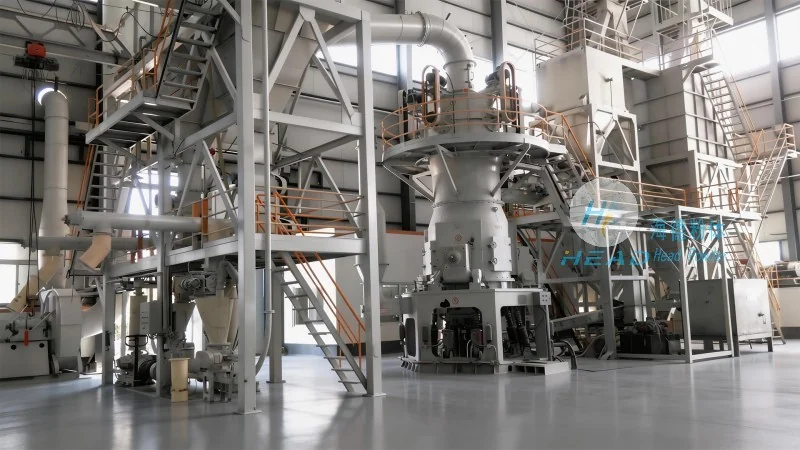
Belt conveyors employ a continuous belt to transport limestone powder over moderate to long distances. Ideal for high-capacity transport, they are cost-effective and easy to maintain. The system can handle both dry and wet powders and operates in various environments. However, material spillage or belt damage can occur with uneven loads. Regular inspection is needed to prevent slippage or breakage. Belt conveyors are less suitable for fine powders due to dust accumulation and require additional dust control measures. Initial investment for heavy-duty applications can be significant.
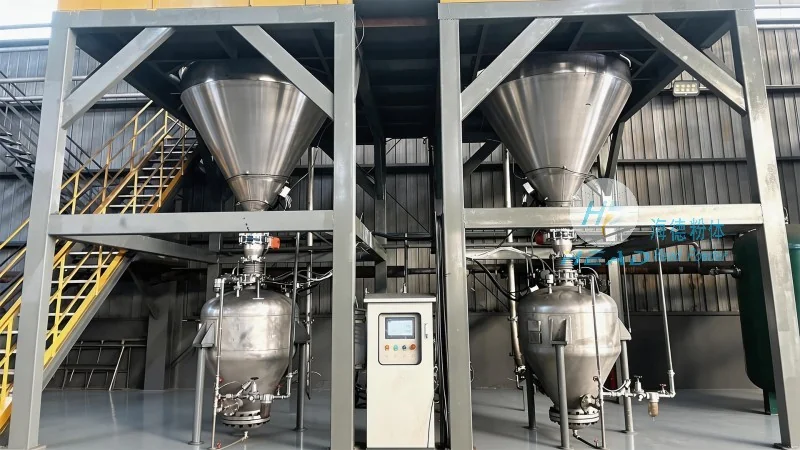
Hydraulic conveying systems use water or liquids to transport limestone powder through pipelines. Effective for wet or slurry materials, they can also handle dry powders with drying systems. The main advantage is handling very fine or abrasive powders without excessive wear. It offers low dust generation and long-distance transport with minimal pressure loss. However, higher energy consumption is required due to pumps and water treatment systems. Installation and maintenance costs are higher, and regular cleaning is needed to prevent clogging. Wastewater disposal also raises environmental compliance concerns.
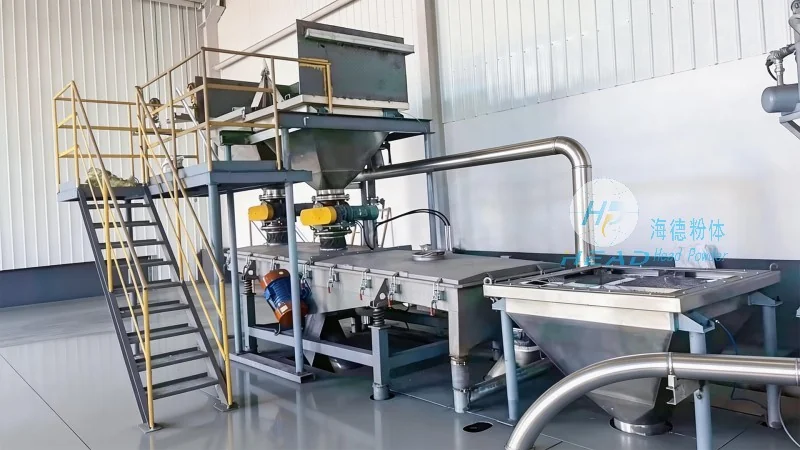
When selecting a limestone powder conveying method, factors like material properties, transport distance, capacity, and budget are critical. Pneumatic systems excel in flexibility and fine powder handling but have higher operational costs. Screw conveyors offer simplicity and versatility but may fail with abrasive powders. Belt conveyors provide high capacity and cost-effectiveness but are less suitable for fine powders. Hydraulic systems are effective for wet or abrasive materials but require more maintenance and energy input. By evaluating these factors, industries can optimize production processes and ensure efficient limestone powder handling.
Shandong HeadPowder Engineering Co., Ltd., a leading provider of limestone powder processing solutions, specializes in designing and manufacturing advanced conveying systems tailored to diverse industry needs. With a focus on quality and innovation, the company offers customized solutions that enhance productivity and safety in material handling. HeadPowder's expertise in limestone powder processing ensures clients receive reliable and efficient equipment meeting specific requirements. The company's commitment to customer satisfaction and technological advancement has established it as a trusted partner in the industry. Located in Shandong, China, HeadPowder continues to serve clients worldwide with high-quality products and professional services.

 Shandong Headpowder Engineering Co., Ltd.
 156-6277-7102(Manager Zhang)
  0531-83386006
  Zhangqiu District, Jinan City, Shandong Province, China
telephone
WeChatconsult
top