

What is a Heavy Calcium Powder Pneumatic Conveying System? What are the Design Principles?
Heavy calcium powder, also known as calcium carbonate, is a widely used industrial material in various sectors such as plastics, paper, and coatings. The efficient and reliable transportation of this powder is crucial for maintaining production efficiency and product quality. This article explores the concept of a heavy calcium powder pneumatic conveying system, detailing its design principles and operational aspects, provided by Shandong HeadPowder Engineering Co., Ltd., a leading manufacturer in the field.
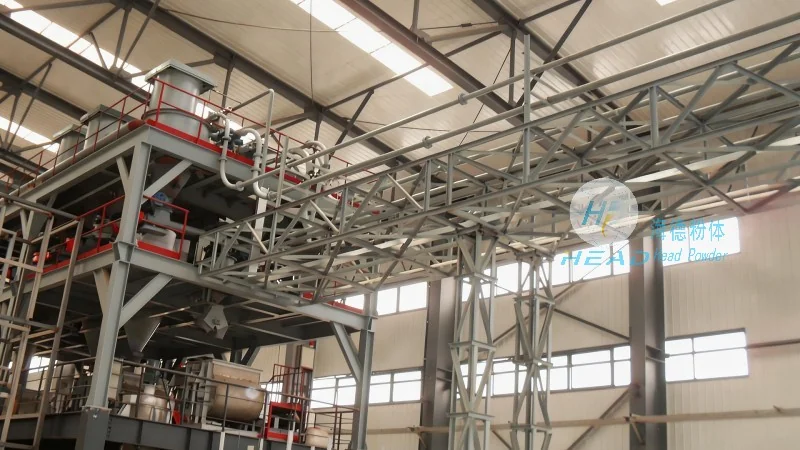
Understanding the Heavy Calcium Powder Pneumatic Conveying System
A heavy calcium powder pneumatic conveying system is a method of transporting bulk powders, specifically heavy calcium powder, using air or gas as the conveying medium. Unlike traditional mechanical conveying systems, which rely on mechanical components like belts or screws, pneumatic systems utilize pressure differentials to move material through pipelines. This approach offers several advantages, including reduced maintenance, lower energy consumption, and the ability to handle materials that are difficult to transport via mechanical means.
Key Components of the System
The heavy calcium powder pneumatic conveying system consists of several critical components that work in tandem to ensure efficient material transport. These components include the material hopper, feeder, air compressor, conveying line, and receiver. Each component plays a vital role in the overall operation of the system.
The Material Hopper and Feeder
The material hopper is the storage vessel where the heavy calcium powder is held before being conveyed. It is typically designed with a sloped bottom to facilitate the flow of material into the feeder. The feeder, often a rotary valve or a screw feeder, regulates the flow rate of the powder from the hopper into the conveying line. Proper design of the hopper and feeder is essential to prevent material bridging or clogging, which can lead to system inefficiencies.
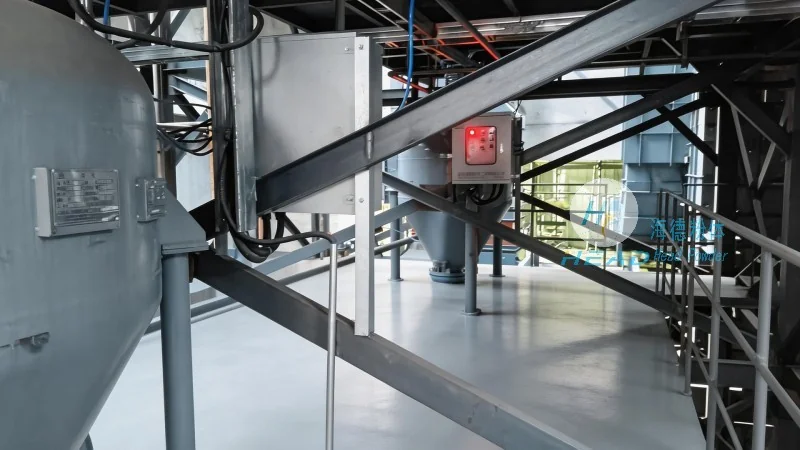
The Air Compressor and Conveying Line
The air compressor generates the necessary pressure to move the powder through the conveying line. The pressure level and flow rate of the air are critical factors that determine the system's capacity and efficiency. The conveying line, usually made of stainless steel or other corrosion-resistant materials, is designed to withstand the pressure and abrasive nature of the heavy calcium powder. The line may include bends, elbows, and other fittings that are carefully engineered to minimize pressure loss and prevent material deposition.
The Receiver and System Controls
The receiver is the final container where the conveyed heavy calcium powder is deposited. It is typically equipped with a dust collection system to capture any fine particles that may escape during the conveying process. The system also includes controls, such as pressure sensors and flow meters, to monitor and regulate the operation of the air compressor and feeder. These controls ensure that the system operates within safe and efficient parameters.
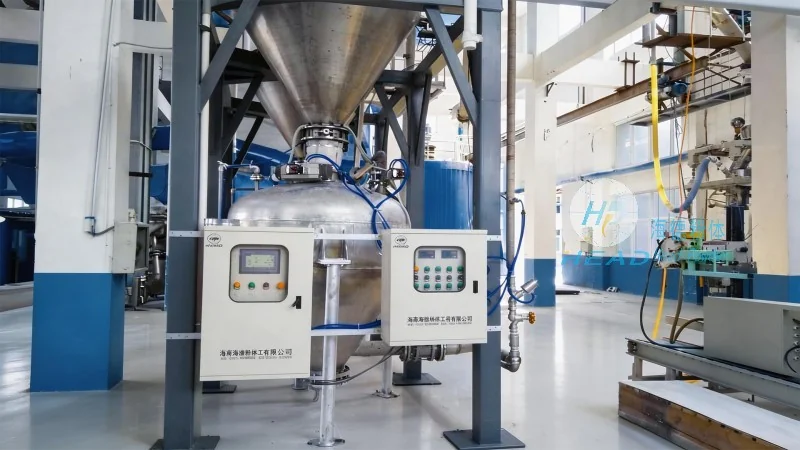
Design Principles for Optimal Performance
The design of a heavy calcium powder pneumatic conveying system follows several key principles to ensure optimal performance and reliability. These principles include maintaining a consistent pressure differential, selecting appropriate equipment for the material's properties, and ensuring proper system sizing. The system must be designed to handle the specific characteristics of heavy calcium powder, such as its particle size, density, and flowability.
Advantages of the Pneumatic Conveying System
Implementing a heavy calcium powder pneumatic conveying system offers numerous benefits for industrial applications. These advantages include improved material handling efficiency, reduced labor costs, and enhanced product quality. The system also minimizes the risk of contamination and cross-contamination, which is particularly important in industries where product purity is critical. Additionally, pneumatic systems can be easily integrated with other production processes, providing a seamless workflow.
Conclusion
In conclusion, a heavy calcium powder pneumatic conveying system is a sophisticated and efficient method for transporting bulk powders. By understanding the design principles and key components of the system, manufacturers can optimize their material handling processes and improve overall production efficiency. The system's ability to handle heavy calcium powder effectively makes it a valuable asset in various industrial applications.