

What is a cocoa powder pneumatic conveying system? What are its design principles?
When it comes to efficiently handling and transporting cocoa powder, a specialized system known as a cocoa powder pneumatic conveying system plays a crucial role in modern processing facilities. This technology offers a reliable and efficient method for moving fine powders like cocoa, ensuring minimal product degradation and maintaining product quality throughout the process. Understanding the components and design principles behind such a system is essential for anyone involved in the cocoa processing industry, from manufacturers to quality control specialists.
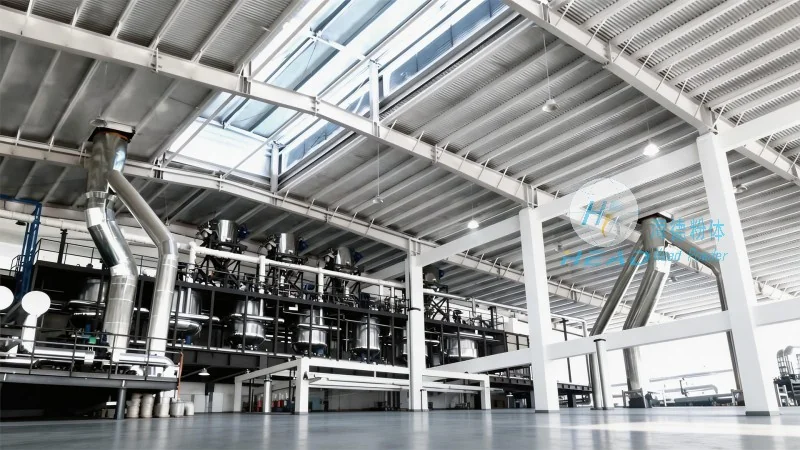
Overview of Cocoa Powder Pneumatic Conveying Systems
A cocoa powder pneumatic conveying system is a type of material handling equipment that uses compressed air or other gases to transport dry powders, such as cocoa powder, from one location to another. Unlike traditional mechanical conveying methods, which rely on belts, screws, or buckets, pneumatic systems utilize the force of air to move particles through a pipeline. This approach is particularly advantageous for delicate materials like cocoa powder, as it minimizes friction and impact, reducing the risk of agglomeration or particle breakage.
The system typically consists of several key components, including a hopper for material storage, a feeder to control the flow rate, a compressor to generate the necessary air pressure, and a pipeline network to transport the powder. The design of each component is critical to the overall efficiency and effectiveness of the system. For instance, the hopper is often equipped with a venting system to prevent pressure buildup and maintain consistent material flow. The feeder, which may be a rotary valve or a screw feeder, ensures a steady and controlled discharge of cocoa powder into the pipeline.
Key Design Principles for Efficient Cocoa Powder Conveying
The design of a cocoa powder pneumatic conveying system is guided by several fundamental principles aimed at optimizing performance, energy efficiency, and product integrity. One of the primary principles is maintaining a consistent air-to-solid ratio, which is the ratio of air volume to the volume of material being conveyed. This ratio is crucial for preventing blockages and ensuring smooth flow. Engineers must carefully calculate the appropriate air velocity and pressure to achieve the desired conveying rate without causing excessive wear on the system components.
Another critical design principle is the consideration of particle size and density. Cocoa powder particles are typically fine and can vary in size, which affects how they behave in the air stream. The system must be designed to handle these variations, often through the use of specialized nozzles or diffusers that create a uniform air flow around each particle. This helps to prevent particle segregation and ensures that all particles are conveyed at the same rate.
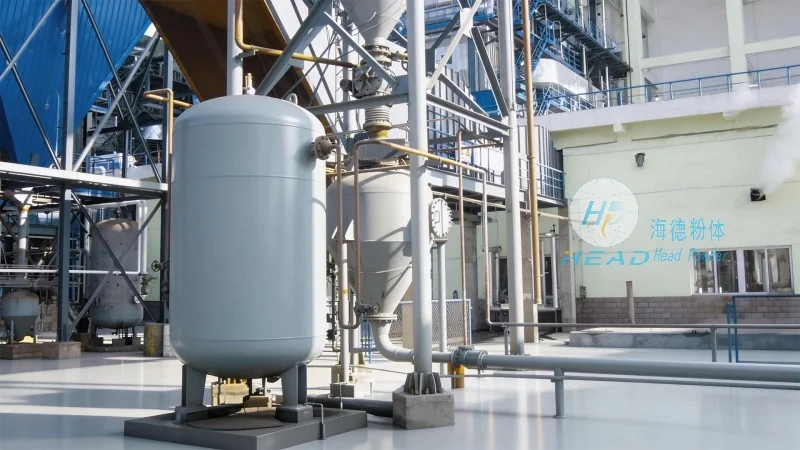
Energy efficiency is also a key consideration in the design of pneumatic conveying systems. The compressor, which is the most energy-intensive component, must be sized appropriately to meet the system's demand while minimizing energy consumption. Modern systems often incorporate variable frequency drives (VFDs) to adjust the compressor speed based on the actual conveying requirements, further reducing energy waste. Additionally, the use of low-pressure or high-pressure systems depends on the distance and height the powder needs to be transported, with low-pressure systems being more energy-efficient for shorter distances.
How HeadPowder Engineering Co., Ltd. Designs and Implements These Systems
Shandong HeadPowder Engineering Co., Ltd., commonly known as HeadPowder, is a leading provider of custom-designed pneumatic conveying systems tailored to the specific needs of the cocoa processing industry. With a deep understanding of the unique challenges associated with handling cocoa powder, HeadPowder engineers develop solutions that prioritize both efficiency and product quality. The company's approach involves a thorough analysis of the client's operational requirements, including the volume of cocoa powder to be conveyed, the distance and elevation changes, and the desired level of automation.
HeadPowder's design process begins with a comprehensive assessment of the material characteristics, such as particle size distribution, moisture content, and flowability. This information is used to select the most appropriate conveying method—whether it's a dilute-phase or dense-phase system—and to determine the optimal air velocity and pressure. The company's engineers then create detailed schematics and perform simulations to predict the system's performance under various operating conditions.
During the implementation phase, HeadPowder ensures that all components are manufactured to high standards and installed according to industry best practices. The company's team of experienced technicians conducts thorough testing and commissioning to verify that the system meets the client's specifications and operates efficiently. This includes checking for proper air flow, material flow rates, and pressure differentials to ensure that the system is functioning as intended.
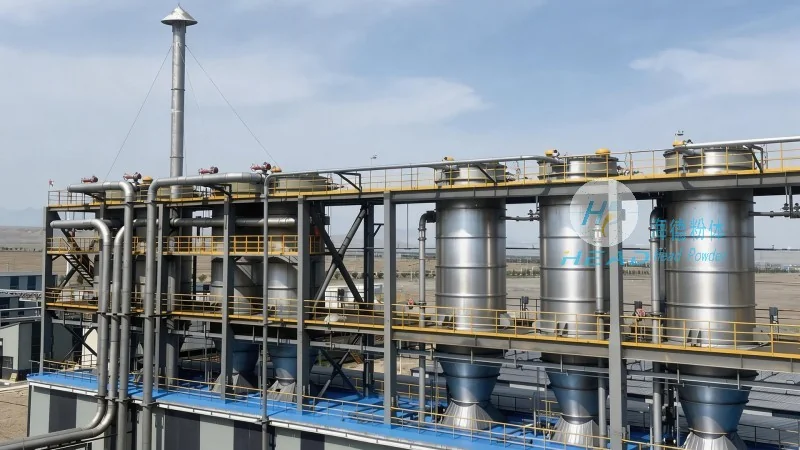
Benefits of Using a Custom Pneumatic Conveying System for Cocoa Powder
Implementing a custom-designed pneumatic conveying system for cocoa powder offers numerous benefits that can significantly improve operational efficiency and product quality. One of the most notable advantages is the reduction in product degradation. Unlike mechanical systems that can cause friction and impact, pneumatic systems use air to move particles, minimizing the risk of particle breakage or agglomeration. This is particularly important for cocoa powder, as the quality and flavor of the final product are highly dependent on the integrity of the particles.
Another key benefit is the improved hygiene and contamination control. Pneumatic systems are typically enclosed, preventing dust and contaminants from entering the environment. This is crucial in food processing facilities, where maintaining a clean and safe environment is paramount. The enclosed design also helps to prevent cross-contamination between different batches of cocoa powder, ensuring that each product remains pure and consistent.
Efficiency and cost savings are also significant advantages. By optimizing the air-to-solid ratio and using energy-efficient components, HeadPowder's systems can reduce energy consumption and lower operational costs over time. Additionally, the reduced need for maintenance due to the absence of moving parts in the conveying line contributes to lower long-term costs. The system's ability to handle large volumes of cocoa powder at a consistent rate also increases overall production throughput, allowing manufacturers to meet higher demand without compromising quality.
Conclusion: The Importance of a Well-Designed Pneumatic Conveying System
In conclusion, a cocoa powder pneumatic conveying system is a vital component in modern cocoa processing facilities, offering an efficient and reliable method for handling fine powders. The design principles behind such systems, including maintaining consistent air flow, optimizing particle handling, and ensuring energy efficiency, are critical to their success. Companies like Shandong HeadPowder Engineering Co., Ltd. play a crucial role in developing and implementing these systems, providing tailored solutions that meet the specific needs of the cocoa industry. By investing in a well-designed pneumatic conveying system, manufacturers can enhance product quality, improve operational efficiency, and reduce costs, ultimately contributing to their long-term success in the competitive cocoa market.