With more than 10‑year industry experience, Shandong Headpowder delivers full‑service pneumatic‑conveying systems and blowers, undertaking nationwide turn‑key powder‑handling projects.
For industrial applications involving the handling of dusty ash materials, efficient and reliable material transport is crucial. Pneumatic conveying systems have emerged as a sophisticated solution, offering a range of benefits that enhance operational efficiency and safety. This article explores the fundamental principles behind these systems and highlights the key characteristics of their working scenes, with a focus on the expertise of Shandong HeadPowder Engineering Co., Ltd., a leading provider in the field.
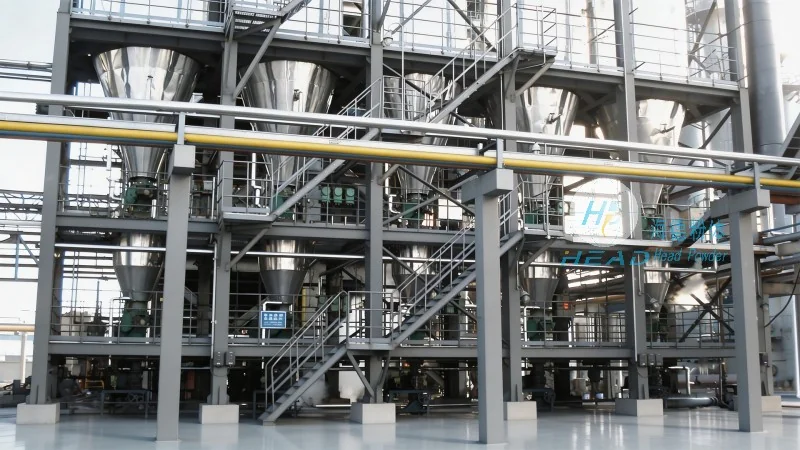
Shandong HeadPowder Engineering Co., Ltd., commonly known as HeadPowder, is a professional engineering firm based in Shandong, China. With years of experience in the design, manufacturing, and installation of pneumatic conveying systems, the company specializes in solutions tailored to the unique challenges of dusty ash material handling. HeadPowder's commitment to innovation and quality ensures that their systems meet the highest industry standards, providing clients with reliable and efficient material transport solutions.
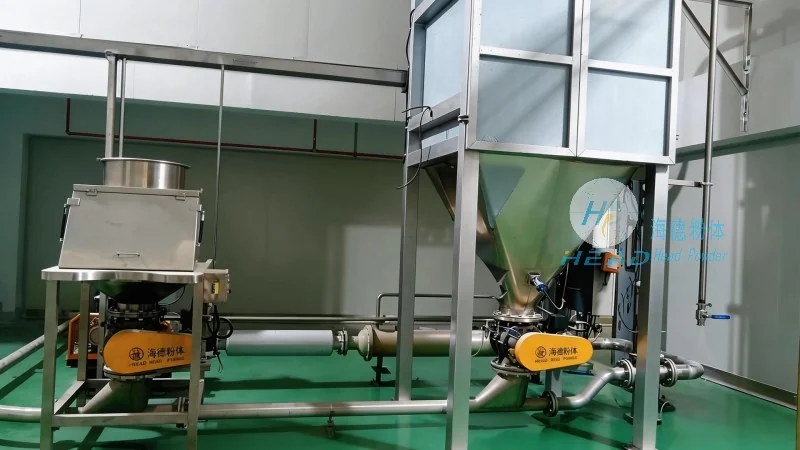
Pneumatic conveying systems operate on the principle of using compressed air or gas to transport bulk materials through a pipeline. In the case of dusty ash materials, the system typically involves a series of components, including a material feeder, a conveying line, and a receiver. The material is introduced into the pipeline at a controlled rate, and the compressed air propels it through the system. This method eliminates the need for mechanical components like belts or buckets, reducing maintenance requirements and improving overall system reliability. The technology is particularly effective for materials that are abrasive, dusty, or have a tendency to clog traditional conveyor systems.
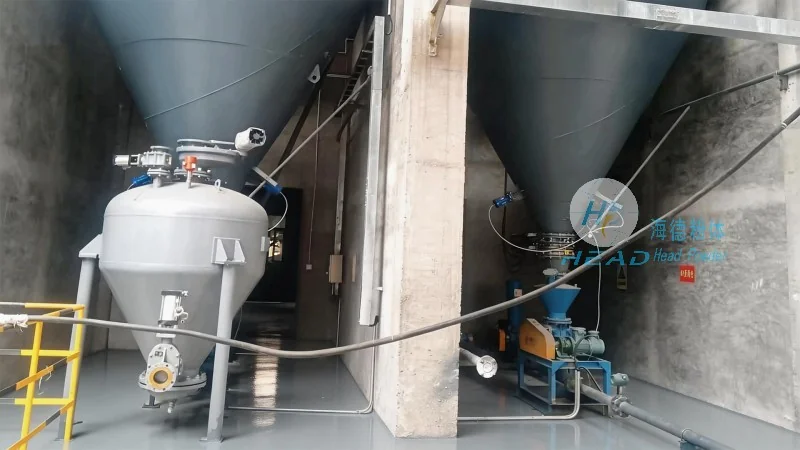
The working scenes where pneumatic conveying systems are most commonly applied include power plants, cement factories, and waste treatment facilities. In these environments, the system is used to transport ash from boilers, clinker from cement kilns, or other fine powders from processing units to storage or disposal areas. The key characteristics of these working scenes include high material throughput, the need for dust control measures, and the requirement for systems that can handle abrasive or corrosive materials. Pneumatic conveying systems are well-suited to these conditions due to their ability to transport materials over long distances without the need for multiple transfer points, and their compact design that fits into limited space in industrial facilities.
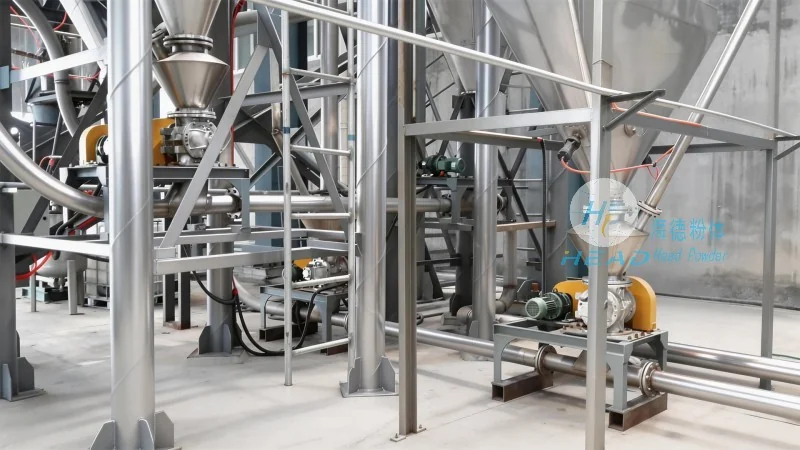
Implementing a pneumatic conveying system for dusty ash materials offers several technical advantages. First, the system provides a dust-free environment, which is critical for maintaining air quality and protecting equipment from corrosion. Second, the technology allows for the transport of materials at high speeds, reducing the overall time required for material handling. Third, the system is highly flexible, with the ability to change the direction of material flow by adjusting the position of the conveying line. Practical implementation involves careful consideration of the material properties, such as particle size, moisture content, and density, to select the appropriate system configuration. Shandong HeadPowder Engineering Co., Ltd. offers customized solutions that take into account these factors, ensuring optimal performance and longevity of the system.

 Shandong Headpowder Engineering Co., Ltd.
 156-6277-7102(Manager Zhang)
  0531-83386006
  Zhangqiu District, Jinan City, Shandong Province, China
telephone
WeChatconsult
top