With more than 10‑year industry experience, Shandong Headpowder delivers full‑service pneumatic‑conveying systems and blowers, undertaking nationwide turn‑key powder‑handling projects.
Heavy powder material conveying systems are essential in various industrial applications, particularly in sectors dealing with bulk materials like cement, coal, and minerals. These systems are designed to transport large volumes of powders efficiently and safely. Understanding the fundamentals of such systems, including their design principles, is crucial for optimizing performance and ensuring operational reliability.
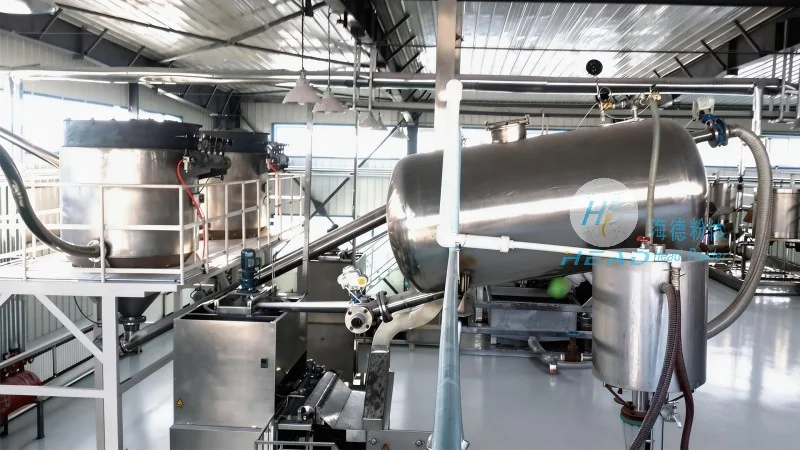
Heavy powder material conveying refers to the process of transporting bulk powders from one location to another within an industrial facility. This involves the use of specialized equipment such as pneumatic conveyors, screw conveyors, and bucket elevators. The primary goal is to move materials with minimal waste, low energy consumption, and high throughput. These systems are widely used in manufacturing, construction, and mining industries where the handling of bulk powders is a daily operation.
At the heart of any heavy powder material conveying system are several key components that work in tandem to achieve efficient material transport. The main components include the material feed hopper, the conveying mechanism (e.g., air or mechanical), the pipeline or trough, and the discharge point. Each component plays a vital role in the overall operation. For instance, the feed hopper ensures a consistent flow of material into the system, preventing blockages and maintaining uniform conveying rates. The conveying mechanism, whether pneumatic (using air pressure) or mechanical (using screws or belts), moves the material through the pipeline. The pipeline or trough provides the path for the material, and the discharge point allows for the controlled release of the material at the destination.
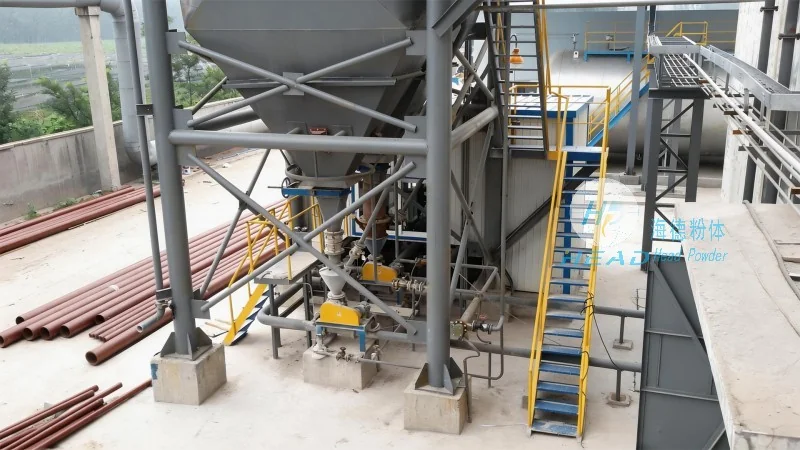
The design of a heavy powder material conveying system is governed by several key principles aimed at maximizing efficiency, minimizing maintenance, and ensuring safety. One of the most critical principles is the selection of the appropriate conveying method based on the properties of the material being transported. For example, cohesive or abrasive powders may require different types of equipment compared to free-flowing materials. Another important principle is the consideration of material flow characteristics, such as particle size, density, and moisture content, as these factors directly impact the system's performance. Additionally, the system's design must account for the need to minimize material degradation, which can occur due to friction or impact during transport. This is often achieved by using smooth surfaces and gentle conveying mechanisms.
When designing a heavy powder material conveying system, engineers must consider several factors to ensure the system operates effectively and reliably. One of the primary considerations is the system's capacity, which is determined by the required throughput and the material's flow rate. The system must be sized to handle the expected volume of material without causing bottlenecks or overloading components. Another critical factor is the system's pressure and airflow requirements, especially in pneumatic conveying systems. Proper sizing of the air compressor and pipeline diameter is essential to maintain consistent material transport and prevent pressure drops that could lead to system failure. Furthermore, the system's layout and integration with other equipment must be carefully planned to minimize material handling time and reduce the risk of contamination. This includes ensuring that the conveying system is compatible with existing processes and that it can be easily maintained and serviced.
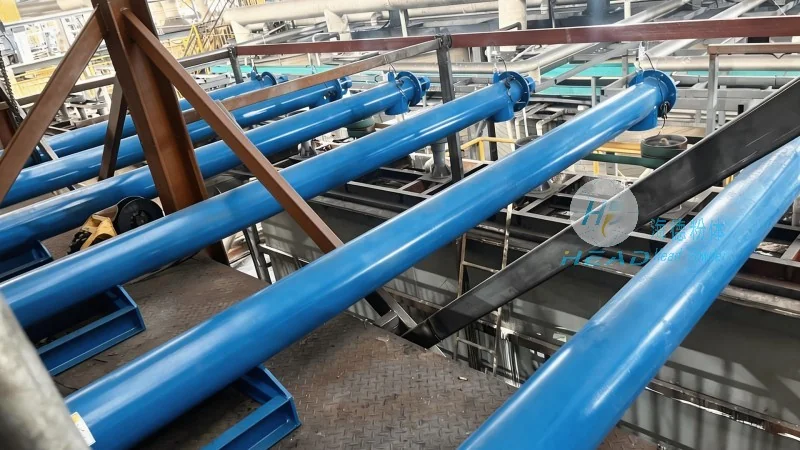
Heavy powder material conveying systems are used in a wide range of industries, each with specific requirements tailored to their operations. In the cement industry, these systems are used to transport raw materials and finished products from storage silos to production lines. In the mining sector, they are employed to move ore and other minerals from processing plants to storage facilities. The construction industry also relies on heavy powder conveying for transporting cement, sand, and other building materials to job sites. Additionally, in the chemical and pharmaceutical industries, these systems are used to handle powders that require strict contamination control and precise dosing. Each application demands a customized approach to system design, ensuring that the conveying method and equipment are optimized for the specific material and operational conditions.
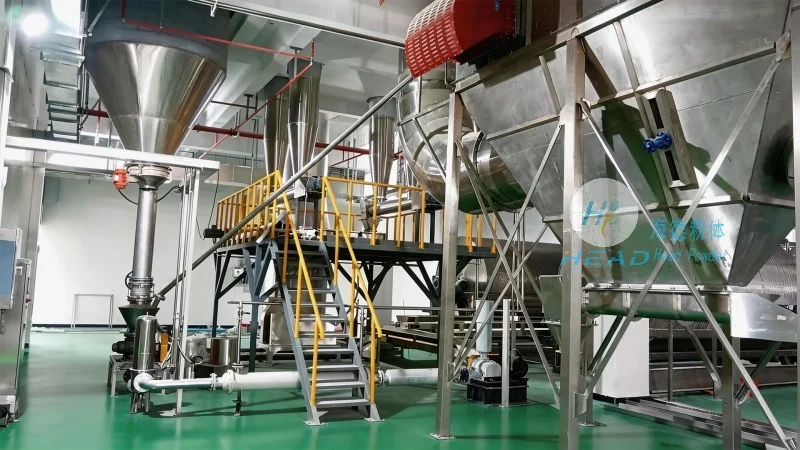
Modern heavy powder material conveying systems offer several advantages over traditional methods, making them a preferred choice in many industrial settings. One of the key advantages is the ability to transport materials over long distances with minimal energy consumption. Pneumatic conveying systems, in particular, can achieve high throughput with relatively low power input, making them cost-effective for large-scale operations. Another advantage is the reduced risk of material contamination, as enclosed systems prevent exposure to dust and other environmental factors. This is particularly important in industries where product purity is critical, such as pharmaceuticals and food processing. Additionally, modern systems are designed for easy maintenance and repair, with modular components that can be replaced quickly without disrupting the entire operation. This reduces downtime and increases overall system reliability.
Heavy powder material conveying is a complex but essential process in many industrial applications. The design principles and components involved in these systems are carefully selected to ensure efficient, safe, and reliable material transport. As industries continue to evolve and demand higher performance from their material handling systems, the importance of well-designed conveying solutions cannot be overstated. Shandong HeadPowder Engineering Co., Ltd., a leading provider of heavy powder conveying solutions, specializes in designing and manufacturing customized systems tailored to the unique needs of each client. With a focus on innovation and quality, the company ensures that its systems meet the highest standards of performance and reliability. Based in Shandong, China, HeadPowder Engineering Co., Ltd. serves clients worldwide, providing comprehensive solutions for heavy powder material handling. Whether for new installations or system upgrades, the company's expertise in conveying technology helps businesses optimize their material transport processes and improve overall operational efficiency.

 Shandong Headpowder Engineering Co., Ltd.
 156-6277-7102(Manager Zhang)
  0531-83386006
  Zhangqiu District, Jinan City, Shandong Province, China
telephone
WeChatconsult
top