

What is a gypsum and ash material handling system equipment? What are its design principles?
Gypsum and ash material handling systems are critical components in industrial processes, particularly in facilities dealing with bulk materials like gypsum and ash. These systems are designed to efficiently transport, store, and manage these materials, ensuring smooth operations and safety. The equipment used in such systems is engineered to handle the unique properties of gypsum and ash, including their density, moisture content, and potential for dust generation. Understanding the components and design principles of these systems is essential for optimizing performance and maintaining compliance with industry standards.
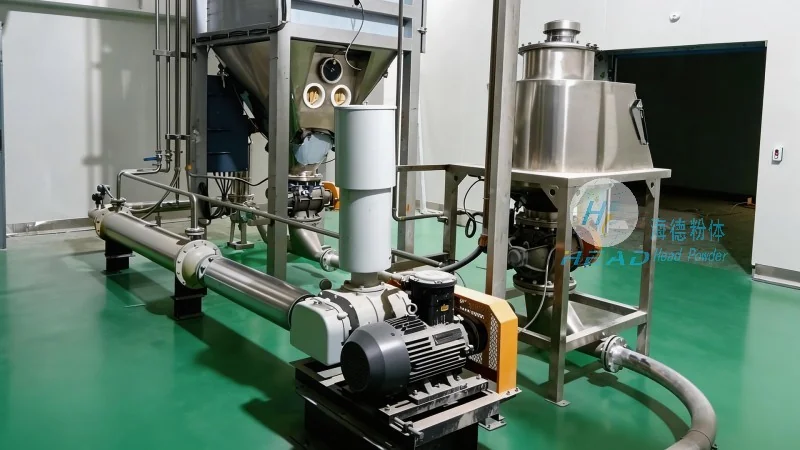
About the Company: HeadPowder
HeadPowder, a leading manufacturer based in Shandong, China, specializes in the design, development, and production of advanced material handling solutions. With a strong commitment to quality and innovation, the company has established itself as a trusted partner for industries requiring reliable and efficient gypsum and ash handling equipment. HeadPowder's expertise lies in creating customized systems tailored to the specific needs of clients, ensuring optimal performance and durability in demanding environments. The company's facilities and technical team are dedicated to delivering high-quality products that meet international standards and client expectations.
Overview of Gypsum and Ash Material Handling Systems
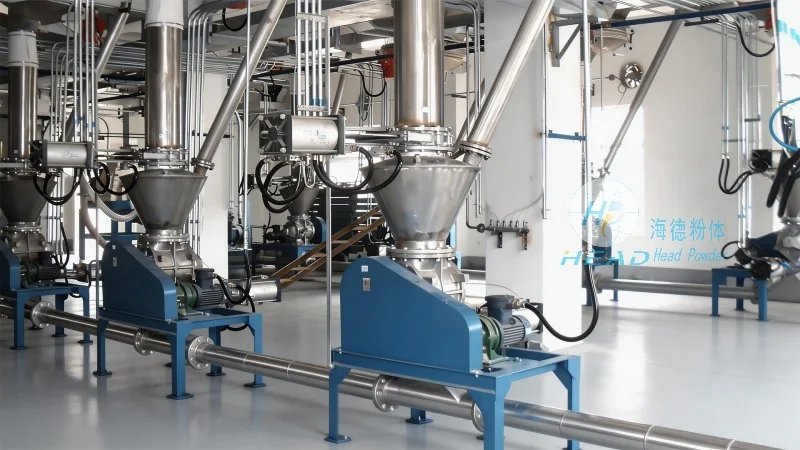
Gypsum and ash material handling systems typically consist of a combination of equipment designed to handle the material from source to destination. Key components may include feeders, conveyors, storage silos, and discharge systems. The systems are engineered to handle the bulk material efficiently, minimizing downtime and maximizing throughput. The design of these systems takes into account factors such as material flow, space constraints, and operational requirements. For instance, the choice of conveyor type (e.g., belt conveyors, screw conveyors) depends on the material's characteristics and the distance it needs to be transported. Storage silos are often used to store large quantities of gypsum and ash, providing a controlled environment that prevents material degradation and dust accumulation.
Design Principles of the Material Handling System
The design principles of gypsum and ash material handling systems are centered on efficiency, safety, and durability. One of the primary design considerations is the material's physical properties, such as its density and abrasiveness. Gypsum, for example, is a soft, porous material that can be prone to dust generation, while ash is often more abrasive and may contain fine particles. The system's design must address these properties to prevent equipment wear and ensure safe handling. The system also incorporates features to minimize dust exposure, such as enclosed conveyors and dust collection systems. Another key design principle is the integration of components to achieve seamless material flow. This includes proper alignment of feeders, conveyors, and storage silos to ensure smooth transitions between stages. The system's control systems are designed to monitor and regulate the flow of material, providing real-time feedback and adjustments as needed. Additionally, the design considers space optimization, ensuring that the system fits within the available footprint while maximizing capacity and efficiency.
Key Features and Technical Specifications
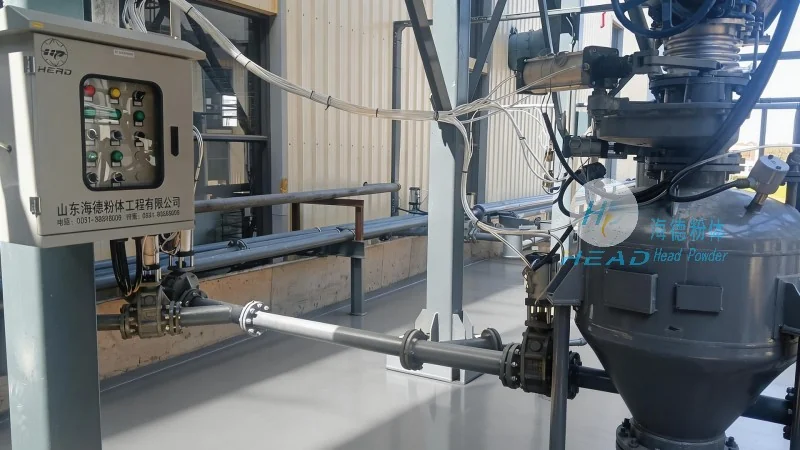
The gypsum and ash material handling systems from HeadPowder are equipped with several key features that enhance their performance and reliability. These include high-capacity feeders capable of handling large volumes of material, durable conveyor belts designed to withstand abrasive materials, and robust storage silos with airtight seals to prevent moisture and dust ingress. The systems also feature advanced control systems that allow for remote monitoring and operation, improving operational efficiency and reducing the need for on-site personnel. The design incorporates safety features such as emergency stop buttons, overload protection, and dust suppression systems to ensure safe operation. The technical specifications of the systems are tailored to meet the specific requirements of each application, with options for different conveyor lengths, material capacities, and control interfaces. HeadPowder's systems are designed to be flexible and scalable, allowing clients to expand their operations as their needs grow.
Applications and Benefits
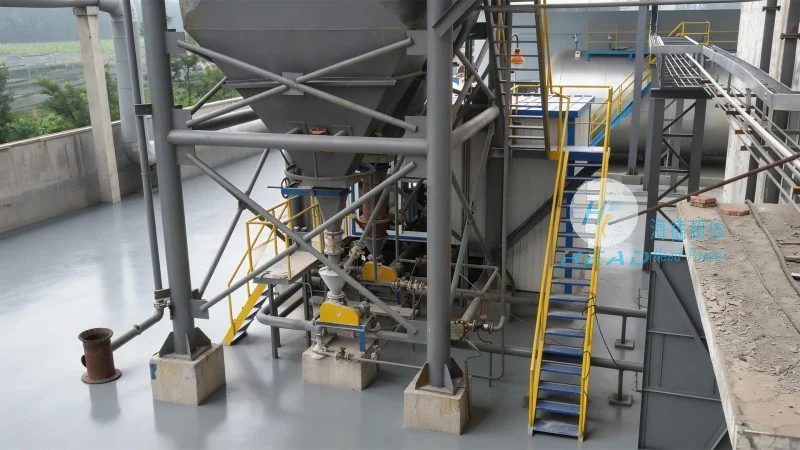
Gypsum and ash material handling systems are widely used in various industries, including power plants, cement production, and waste management facilities. In power plants, these systems are used to handle fly ash and bottom ash, ensuring efficient disposal and reuse. In cement production, gypsum is used as a set retarder, and the systems help in transporting and storing it. The benefits of using these systems include improved operational efficiency, reduced labor costs, and enhanced safety. By automating the material handling process, companies can minimize manual handling, reducing the risk of accidents and exposure to hazardous materials. The systems also help in maintaining consistent material quality by preventing contamination and moisture absorption. Additionally, the efficient design of the systems reduces energy consumption and operational costs, contributing to overall cost savings.
Conclusion
Gypsum and ash material handling systems are essential for industries dealing with bulk materials, providing efficient and safe solutions for transporting and managing these materials. HeadPowder, with its expertise and commitment to quality, offers advanced systems that meet the specific needs of clients. The design principles and features of these systems ensure optimal performance, durability, and safety, making them a reliable choice for industrial applications. As industries continue to demand more efficient and sustainable solutions, the importance of well-designed material handling systems will only grow. HeadPowder remains at the forefront of this field, providing innovative solutions that help clients achieve their operational goals.