With more than 10‑year industry experience, Shandong Headpowder delivers full‑service pneumatic‑conveying systems and blowers, undertaking nationwide turn‑key powder‑handling projects.
Carbon material pneumatic conveying lines are critical systems in industrial operations, especially for the efficient transport of carbon-based powders and granules. Understanding the operation process and working principle of these systems is essential for optimizing performance, ensuring safety, and maintaining product quality. This article offers a comprehensive overview of how such lines function, from material intake to final discharge, while detailing the key components and mechanisms involved.
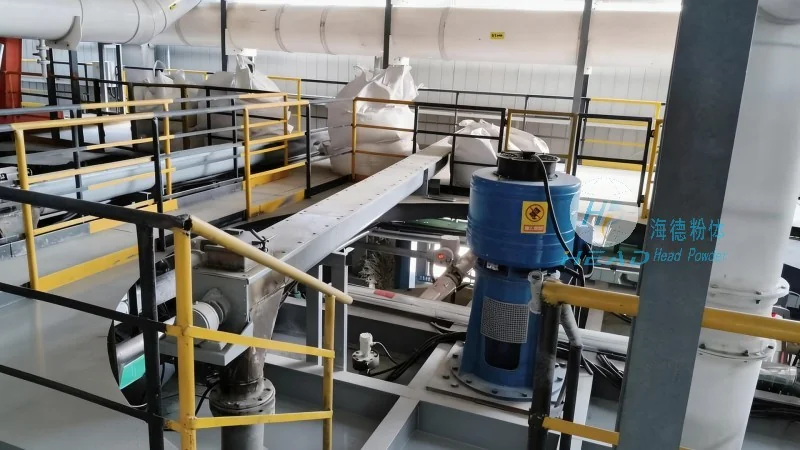
The operation of a carbon material pneumatic conveying line relies on interconnected components that work together to achieve effective material transport. The primary components include a material feeder, a conveying pipeline, a pressure or vacuum source, a control system, and a discharge device. Each component plays a vital role in the overall functionality of the system.
The process starts with the material feeder, which introduces carbon material into the conveying system. For bulk materials like carbon powders or granules, a hopper or rotary valve is typically used to control flow rate and prevent buildup or blockages. The feeder ensures consistent material intake, which is crucial for maintaining conveying stability. The material is then drawn into the pipeline by the pressure or vacuum generated by the system's power source.
The conveying pipeline is usually made of stainless steel or plastic, chosen based on the carbon material's properties and operating conditions. The pipeline material selection is vital to prevent corrosion or contamination of the carbon product. The pressure or vacuum system generates the force to move material through the pipeline. In positive pressure systems, compressed air pushes material forward; in negative pressure (vacuum) systems, a vacuum pulls material. The pressure/vacuum level is carefully controlled to ensure efficient transport without excessive wear on the pipeline or components.
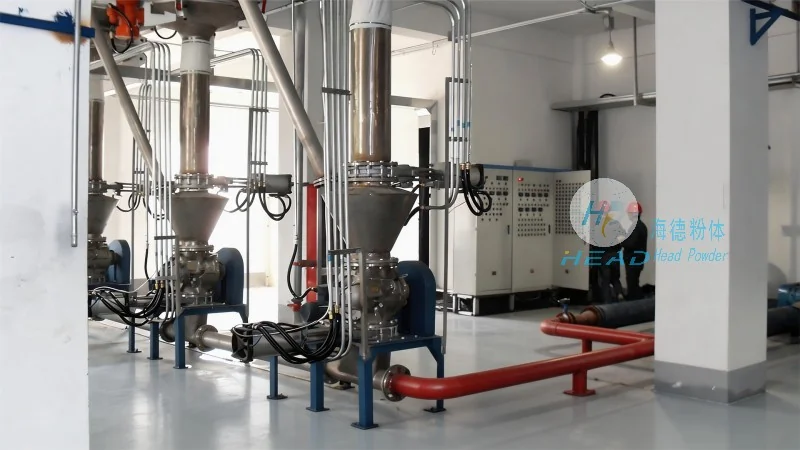
A sophisticated control system is integrated into the pneumatic conveying line to regulate material and air flow. This system monitors pressure, flow rate, and material level, adjusting feeder and pressure/vacuum source operations as needed. Flow regulation prevents system overloading, which can cause blockages or component damage. The control system may also include safety features to shut down the system in abnormal conditions like excessive pressure or material buildup.
At the pipeline's end, carbon material is discharged into a collection container or processing unit. The discharge device (e.g., rotary valve or venturi) controls material release from the pipeline. Proper discharge prevents loss or contamination. The collected material is then transferred to the next production stage, such as storage or further processing.
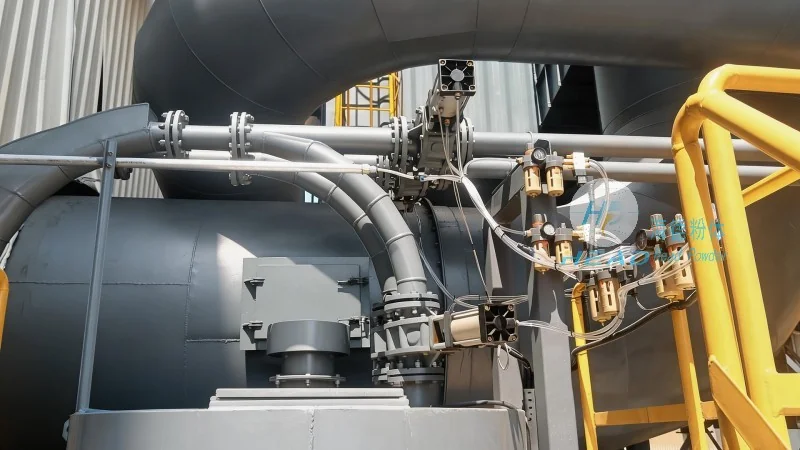
The working principle of a carbon material pneumatic conveying line is based on fluid dynamics and particle transport. The system uses a gas (usually air) to transport solid particles through the pipeline. Particle motion is influenced by gas flow, which can be turbulent or laminar depending on system design and conditions. Efficient conveying requires stable gas and particle flow, ensuring particles remain suspended in the gas stream and move forward without settling or clogging.
Carbon material pneumatic conveying lines are widely used in industries like carbon manufacturing, chemical processing, and food processing. Benefits include high transport efficiency, reduced labor costs, and improved safety compared to manual handling or mechanical conveyors. These systems can handle a range of carbon materials—from fine powders to coarse granules—and operate in both positive and negative pressure modes to suit application needs.
Shandong HeadPowder Engineering Co., Ltd., known as HeadPowder, is a leading manufacturer and supplier of industrial conveying systems, including carbon material pneumatic conveying lines. With a focus on quality and innovation, HeadPowder provides customized solutions tailored to client needs. HeadPowder is headquartered in Shandong, China, serving customers worldwide with reliable and efficient conveying equipment. The company's expertise in material handling and pneumatic technology ensures products meet high performance and durability standards.

 Shandong Headpowder Engineering Co., Ltd.
 156-6277-7102(Manager Zhang)
  0531-83386006
  Zhangqiu District, Jinan City, Shandong Province, China
telephone
WeChatconsult
top