With more than 10‑year industry experience, Shandong Headpowder delivers full‑service pneumatic‑conveying systems and blowers, undertaking nationwide turn‑key powder‑handling projects.
HeadPowder, a leading manufacturer based in Shandong, China, specializes in providing advanced pneumatic conveying solutions for dry desulfurizer materials. This equipment is crucial in modern industrial processes, ensuring efficient and reliable material transport. The following sections detail the operation process and working principles of such equipment, highlighting its key components and functional mechanisms.
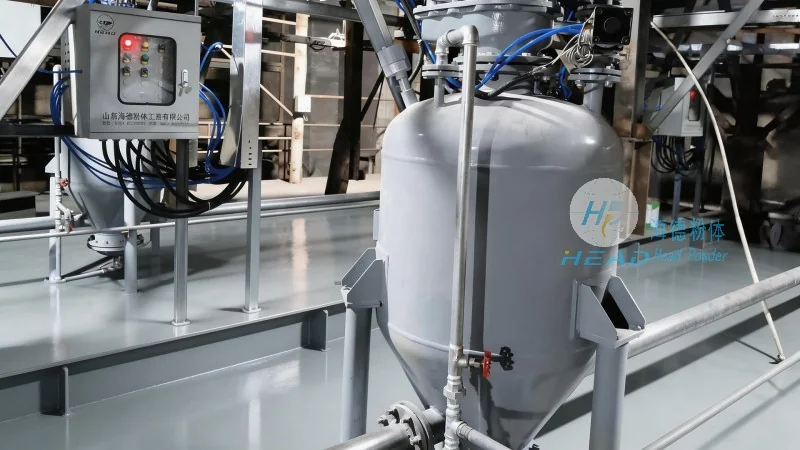
The pneumatic conveying equipment for dry desulfurizer materials consists of several essential components that work in tandem to achieve effective material transport. These components include the material hopper, air compressor, conveying pipeline, and control system. The material hopper is designed to store and feed the dry desulfurizer material into the system. It features a hopper with a discharge valve that regulates the material flow rate. The air compressor provides the necessary air pressure to generate the conveying airflow. The conveying pipeline, typically made of stainless steel or other corrosion-resistant materials, transports the material and air mixture. The control system monitors and adjusts the air pressure, material flow, and other operational parameters to maintain optimal performance.
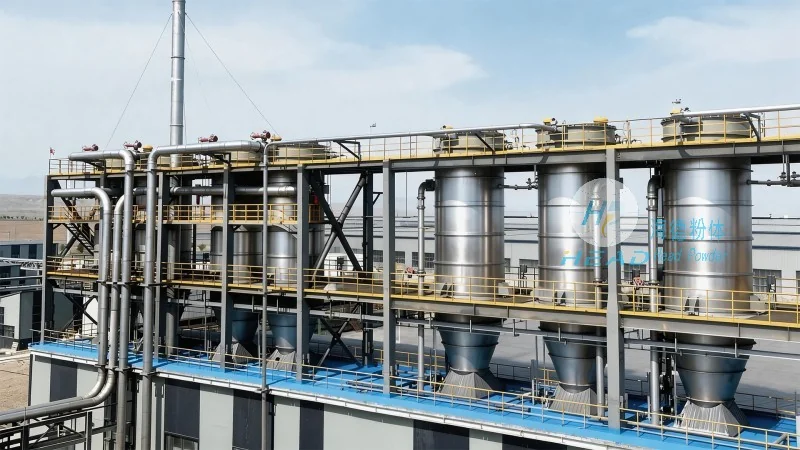
The operation of the pneumatic conveying equipment for dry desulfurizer materials follows a systematic process. Initially, the dry desulfurizer material is loaded into the material hopper. The air compressor then generates high-pressure air, which is introduced into the conveying pipeline. As the air flows through the pipeline, it creates a negative pressure or positive pressure environment, depending on the system design. This airflow entrains the dry desulfurizer particles, forming a suspension that is transported through the pipeline to the destination point. The control system continuously monitors the pressure and flow rates, ensuring that the material is conveyed at the desired speed and without blockages. The equipment is designed to handle various particle sizes and moisture contents, making it versatile for different industrial applications.
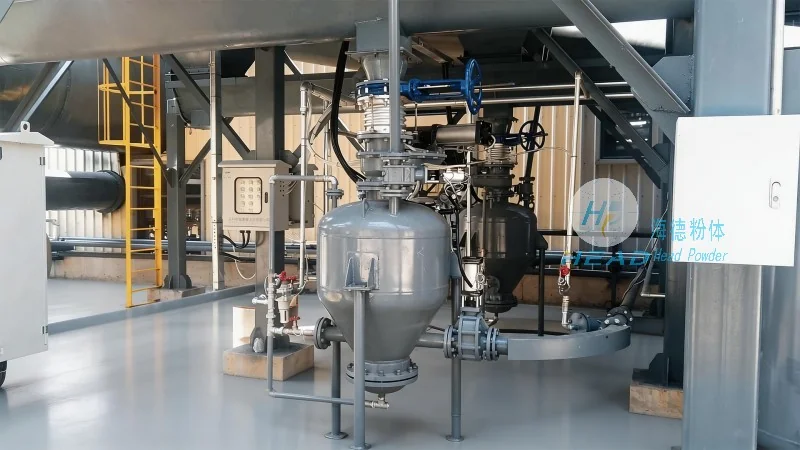
The operation process of the pneumatic conveying equipment involves several steps that ensure smooth and efficient material transport. First, the material is fed from the hopper into the conveying pipeline via the air flow. The air compressor maintains a consistent pressure to prevent material settling or blockages. The control system adjusts the air volume and pressure based on real-time feedback from sensors, such as pressure transducers and flow meters. These sensors provide data on the system's performance, allowing for immediate adjustments if any issues arise. The conveying process continues until the material reaches the discharge point, where it is collected in a receiving hopper or storage tank. The system is equipped with safety features, including pressure relief valves and emergency shut-off mechanisms, to prevent over-pressurization and ensure safe operation.
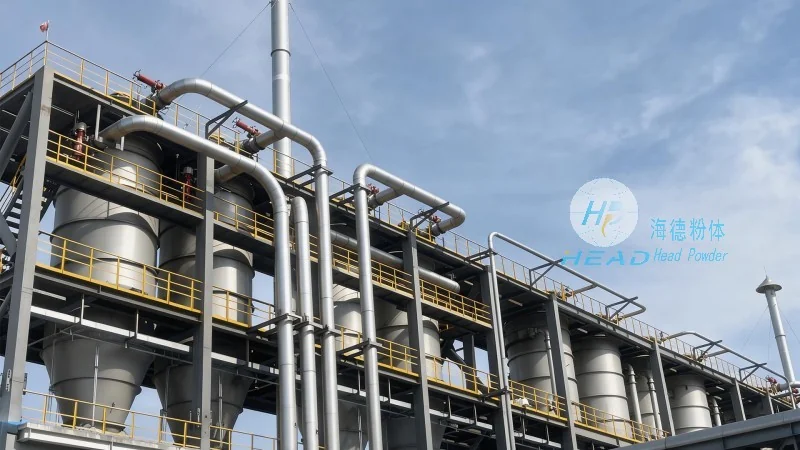
The pneumatic conveying equipment for dry desulfurizer materials offers several advantages over traditional material handling methods. It provides a dust-free and hygienic transport solution, which is particularly important for desulfurizer materials used in power plants and other industrial facilities. The equipment is also highly efficient, with minimal material loss and low maintenance requirements. Additionally, it can handle a wide range of material characteristics, including different particle sizes, shapes, and moisture levels. The system is widely used in the power generation industry for transporting limestone or other desulfurizer agents to the flue gas desulfurization (FGD) units. It is also applicable in other industrial sectors, such as chemical processing and mining, where dry material transport is required.

 Shandong Headpowder Engineering Co., Ltd.
 156-6277-7102(Manager Zhang)
  0531-83386006
  Zhangqiu District, Jinan City, Shandong Province, China
telephone
WeChatconsult
top