With more than 10‑year industry experience, Shandong Headpowder delivers full‑service pneumatic‑conveying systems and blowers, undertaking nationwide turn‑key powder‑handling projects.
Propellant powder handling systems are critical components in the manufacturing and processing of solid propellants for rocket and missile applications. These systems are engineered to safely and efficiently transport, store, and manage the fine, sensitive powder materials used in propellant production. The design of such systems must address the unique challenges posed by propellant powders, including their high sensitivity to moisture, static electricity, and mechanical stress, as well as the need for precise control to ensure consistent product quality and safety.
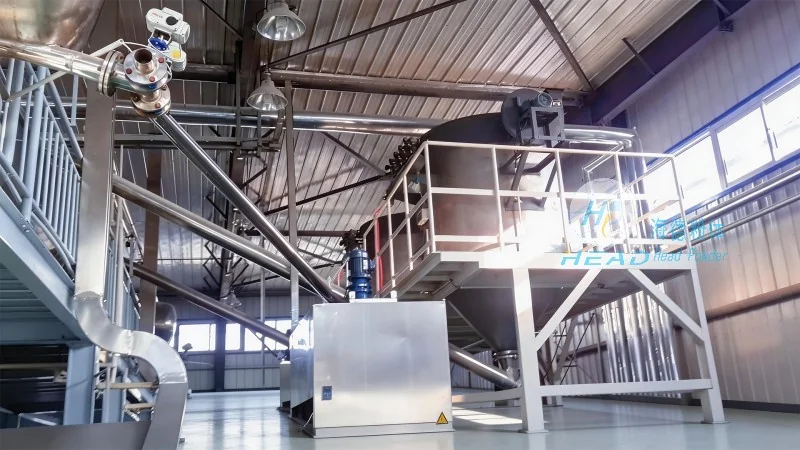
The design of a propellant powder handling system typically involves several key components that work in concert to achieve reliable and safe operation. The primary components include feeders, conveyors, storage silos, and control systems. Each component is selected and configured based on the specific properties of the propellant powder and the production requirements.
Feeders are crucial for controlling the flow rate of propellant powder. Common types include rotary valve feeders, screw feeders, and vibratory feeders. These devices are designed to provide a consistent and adjustable flow, preventing overloading or underloading of downstream equipment. The choice of feeder depends on factors such as the powder's bulk density, flowability, and moisture content. For example, a rotary valve feeder is often used for powders with moderate flowability, while a screw feeder may be preferred for cohesive or low-flowability materials.
Conveyors are used to transport the propellant powder from one location to another within the system. The most common types include pneumatic conveying systems and mechanical conveyors. Pneumatic conveying uses air pressure to move the powder through pipes, while mechanical conveyors use belts, chains, or screws to transport the material. The selection of a conveyor system depends on the distance to be covered, the volume of material to be moved, and the need for containment and dust control. For propellant powders, which are often hazardous and require strict containment, pneumatic conveying systems are frequently preferred due to their ability to minimize dust exposure and provide a closed-loop system.
Storage silos are used to store large quantities of propellant powder. These silos are typically made of stainless steel or other corrosion-resistant materials to prevent contamination and ensure the powder remains in good condition. The design of the silo includes features such as a hopper with a conical or wedge-shaped bottom to facilitate powder flow and prevent clogging. The silo is also equipped with level sensors and pressure relief valves to monitor and control the powder level and prevent over-pressurization.
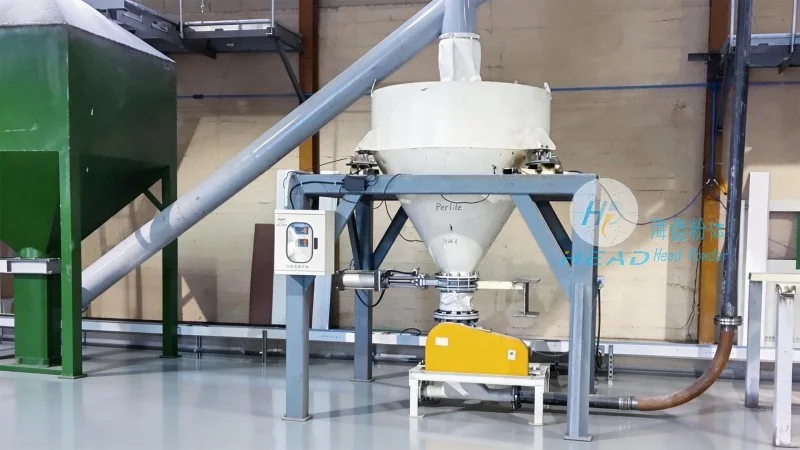
Control systems are essential for managing the operation of the powder handling system. These systems typically include sensors for monitoring powder level, temperature, and pressure, as well as control valves and actuators for regulating the flow of air, powder, and other materials. The control system is often integrated with a programmable logic controller (PLC) or a distributed control system (DCS) to provide centralized monitoring and control. This allows operators to adjust the system parameters in real-time, ensuring optimal performance and safety.
When designing a propellant powder handling system, several factors must be considered to ensure the system meets the specific needs of the propellant manufacturing process. These factors include the powder's physical properties, the production capacity, the required safety standards, and the environmental conditions.
The physical properties of the propellant powder, such as its particle size distribution, bulk density, and flowability, are critical in determining the appropriate equipment and system configuration. For example, powders with a wide particle size distribution may require additional screening or classification steps to ensure uniform flow. Powders with low flowability may need to be preconditioned, such as by adding a small amount of fluid or using a vibratory feeder, to improve their flow characteristics.
The production capacity of the system is another important consideration. The system must be designed to handle the required volume of powder at the desired throughput rate. This involves selecting the appropriate feeder, conveyor, and storage capacity to meet the production schedule. For example, a high-throughput system may require a larger storage silo and a more powerful conveyor system to ensure continuous operation.
Safety is a paramount concern in propellant powder handling systems due to the hazardous nature of the materials. The design must include features to prevent dust explosions, such as explosion-proof equipment, dust collection systems, and pressure relief valves. Additionally, the system must be equipped with safety interlocks and emergency shutdown procedures to protect operators and prevent accidents.
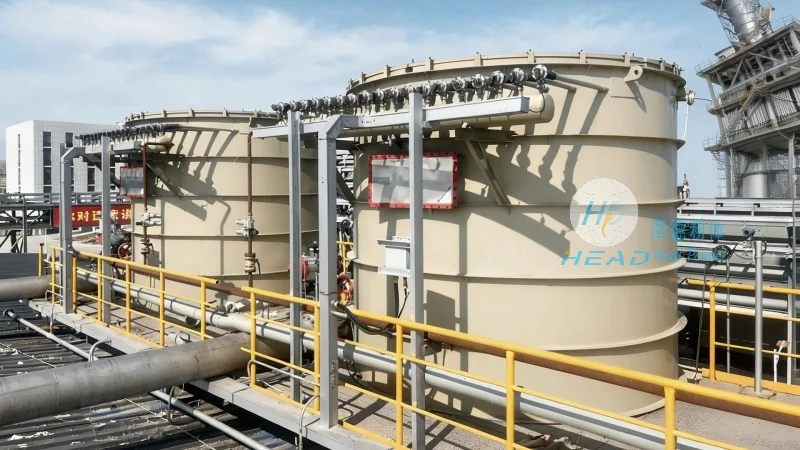
Environmental conditions, such as temperature and humidity, can also impact the performance of the powder handling system. The system must be designed to operate within the specified temperature and humidity ranges to prevent moisture absorption or degradation of the propellant powder. For example, in humid environments, the system may include drying or dehumidification equipment to maintain the powder's quality.
Shandong HeadPowder Engineering Co., Ltd., commonly known as HeadPowder, is a leading provider of specialized equipment and solutions for the propellant and powder handling industries. With a strong focus on innovation and quality, HeadPowder designs and manufactures a wide range of powder handling systems tailored to the unique needs of its clients. The company's products are known for their reliability, efficiency, and adherence to the highest safety standards.
HeadPowder's team of engineers and technicians has extensive experience in the design and application of propellant powder handling systems. They work closely with clients to understand their specific requirements and develop customized solutions that meet their production goals. The company's commitment to research and development ensures that its products remain at the forefront of technology, incorporating the latest advancements in powder handling technology.
HeadPowder's facilities are located in Shandong, China, where the company has established a strong presence in the industry. The company's headquarters and manufacturing plant are equipped with state-of-the-art equipment and testing facilities, enabling it to produce high-quality products that meet international standards. HeadPowder's dedication to customer satisfaction and technical excellence has earned it a reputation as a trusted partner in the propellant and powder handling sectors.

 Shandong Headpowder Engineering Co., Ltd.
 156-6277-7102(Manager Zhang)
  0531-83386006
  Zhangqiu District, Jinan City, Shandong Province, China
telephone
WeChatconsult
top