With more than 10‑year industry experience, Shandong Headpowder delivers full‑service pneumatic‑conveying systems and blowers, undertaking nationwide turn‑key powder‑handling projects.
A cathode material pneumatic conveyor is a specialized industrial equipment designed for the efficient and safe transportation of cathode materials, which are crucial components in lithium-ion batteries and other advanced battery technologies. This equipment plays a vital role in the battery manufacturing process, ensuring that cathode powders are moved from one stage to another with minimal loss and contamination. The design of such conveyors is tailored to handle the unique properties of cathode materials, including their fine particle size, sensitivity to moisture, and potential for electrostatic discharge.
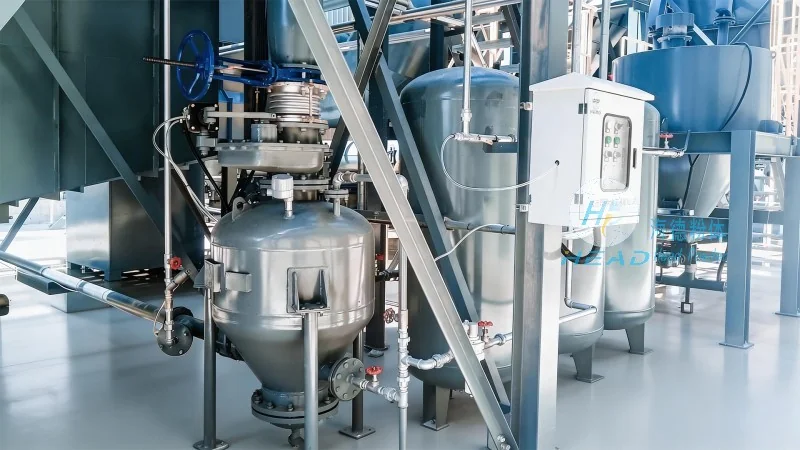
The core of a cathode material pneumatic conveyor system typically consists of several key components, each working in concert to achieve effective material transport. The primary components include a hopper for material storage, a feeding mechanism to control the flow of material into the system, a conveying line (often a flexible or rigid tube), and a receiver for the material at the destination. The system operates on the principle of pneumatic transport, where compressed air or gas is used to create a flow that propels the material particles through the conveying line.
When material is introduced into the hopper, a feeding device such as a rotary valve or a screw feeder regulates the flow rate, ensuring a consistent and controlled supply of cathode powder. The compressed air is then introduced into the conveying line, creating a pressure differential that draws the material particles along with the air stream. The air velocity is carefully controlled to maintain the material in a suspended state, preventing it from settling or clogging the line. This suspension is critical for preventing agglomeration and ensuring uniform transport.
The design of a cathode material pneumatic conveyor is guided by several key principles aimed at maximizing efficiency, minimizing material degradation, and ensuring operational safety. One of the most important principles is the control of air velocity and pressure. The air velocity must be sufficient to keep the material particles suspended but not so high as to cause excessive wear on the conveying line or equipment components. This balance is achieved through precise engineering and the use of appropriate materials for the conveying line, such as stainless steel or specialized polymers that can withstand the abrasive nature of cathode powders.
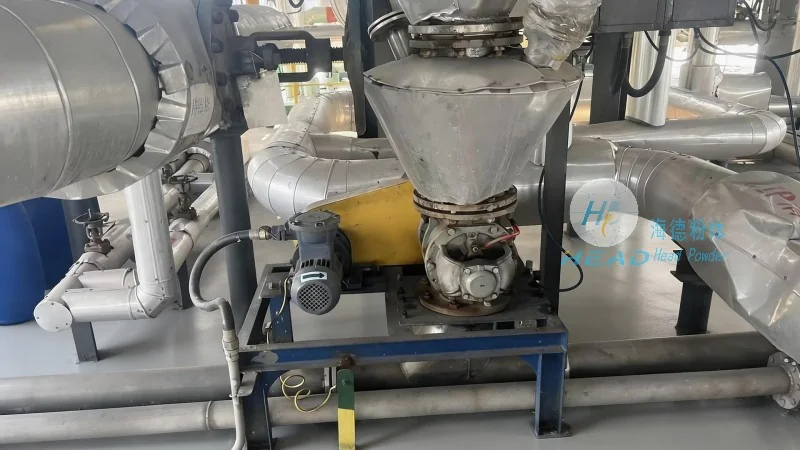
Another critical design consideration is the prevention of moisture and contamination. Cathode materials are highly sensitive to moisture, which can affect their performance and stability in battery applications. Therefore, the conveyor system is often equipped with moisture-proof seals and drying mechanisms to maintain a dry environment throughout the transport process. Additionally, the system may include filtration and cleaning components to prevent the accumulation of dust or particles that could compromise the quality of the material.
Electrostatic discharge (ESD) is another factor that must be addressed in the design of cathode material conveyors. Since cathode powders are often fine and can generate static electricity during handling, the equipment is designed with ESD-safe materials and grounding features to prevent sparks that could ignite flammable materials or damage sensitive components. This includes the use of conductive coatings on metal parts and the incorporation of grounding straps to dissipate static charges.
Cathode material pneumatic conveyors are widely used in the battery manufacturing industry, particularly in the production of lithium-ion batteries. These conveyors are essential for transporting cathode powders from storage areas to mixing and coating lines, where they are combined with other battery components to form the cathode electrode. The efficient and reliable transport of cathode materials is crucial for maintaining production throughput and ensuring consistent product quality.
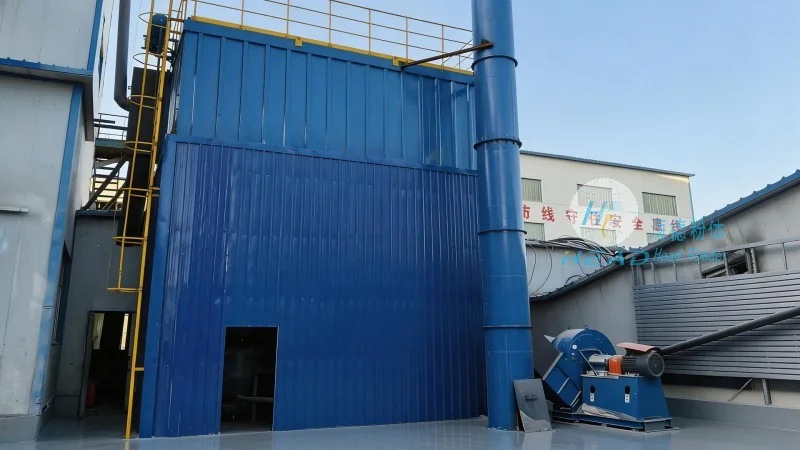
In addition to battery manufacturing, these conveyors may also be used in other industries where fine powders need to be transported, such as in the production of electronic components or in research and development laboratories. However, the specific design and components of the conveyor are tailored to the unique requirements of cathode materials, making it a specialized piece of equipment for the battery industry.
Shandong HeadPowder Engineering Co., Ltd., commonly known as HeadPowder, is a leading manufacturer of industrial equipment for powder handling and material transport. With a focus on innovation and quality, HeadPowder has developed advanced solutions for the battery and other industries, including specialized pneumatic conveyors for cathode materials. The company is committed to providing reliable and efficient equipment that meets the stringent requirements of modern manufacturing processes.
HeadPowder is headquartered in Shandong, China, and has a strong reputation for its expertise in powder technology and engineering. The company's products are designed to enhance productivity, improve material quality, and ensure operational safety. By leveraging advanced design principles and materials, HeadPowder delivers solutions that help customers achieve their production goals while maintaining high standards of performance and reliability.

 Shandong Headpowder Engineering Co., Ltd.
 156-6277-7102(Manager Zhang)
  0531-83386006
  Zhangqiu District, Jinan City, Shandong Province, China
telephone
WeChatconsult
top