With more than 10‑year industry experience, Shandong Headpowder delivers full‑service pneumatic‑conveying systems and blowers, undertaking nationwide turn‑key powder‑handling projects.
When it comes to the efficient and reliable transport of crystalline materials, selecting the right conveyance method is crucial for maintaining product integrity and operational efficiency. Shandong HeadPowder Engineering Co., Ltd., a leading provider in the field, offers a range of solutions tailored to diverse industrial needs. This article explores various methods for crystal body conveyance, highlighting the key considerations and applications.
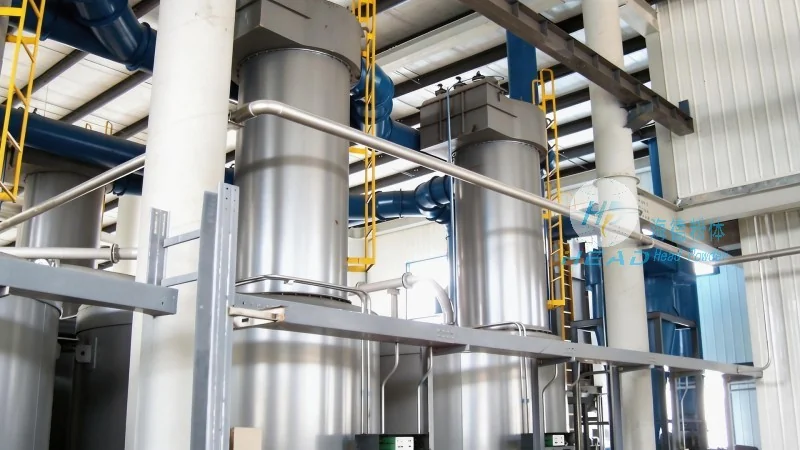
Crystalline materials, such as chemicals, pharmaceuticals, and food additives, often require specialized handling due to their unique physical properties. Proper conveyance ensures that these materials are moved without damage, contamination, or loss of quality. The choice of method depends on factors like material size, density, moisture content, and the desired processing environment.
Several effective methods are employed in industrial settings to transport crystalline substances. Each method has its advantages and is suitable for specific applications. Here are some of the most common approaches:
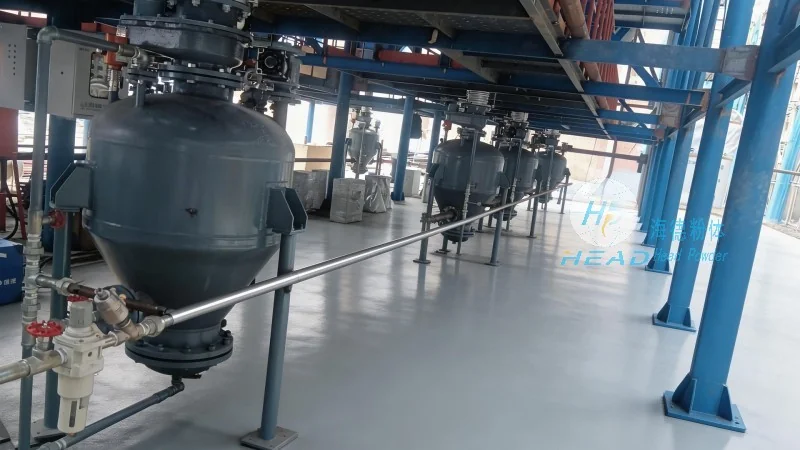
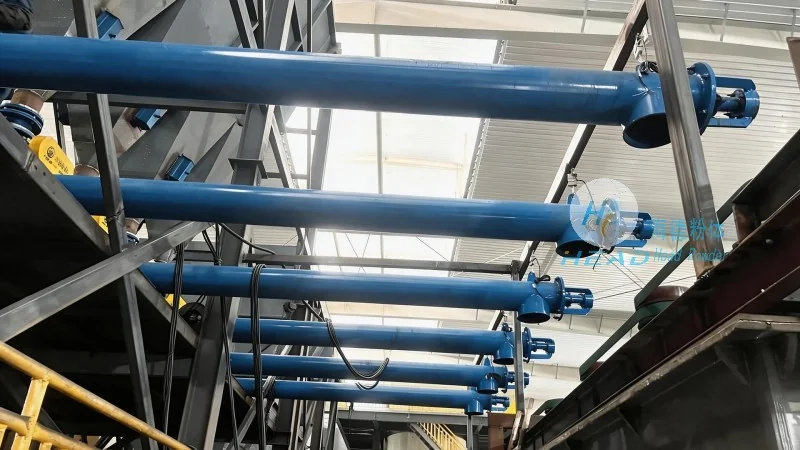
Screw conveyors, also known as auger conveyors, are widely used for transporting granular and fine crystalline materials. These systems consist of a rotating helical screw inside a trough or tube. The screw pushes the material forward through the conveyor, making it ideal for horizontal or slight incline transport. Screw conveyors are particularly effective for materials that are free-flowing and non-abrasive. They offer a compact design, low maintenance, and the ability to handle a wide range of particle sizes. For instance, in the chemical industry, screw conveyors are commonly used to move sodium carbonate or potassium chloride crystals from storage to processing units.
Pneumatic conveying uses air or other gases to transport crystalline materials through a pipeline. This method is particularly useful for handling fine powders and dust that are difficult to move with mechanical systems. There are two main types: dilute-phase and dense-phase pneumatic conveying. Dilute-phase systems use low air velocity to transport materials in a cloud-like state, while dense-phase systems use higher air pressure to push material in a slug or plug flow. Pneumatic conveyors are ideal for applications requiring dust-free transport, such as pharmaceuticals or food processing. They can also handle long distances and multiple transfers without the need for multiple pieces of equipment. However, they require careful design to prevent material degradation and ensure efficient air usage.
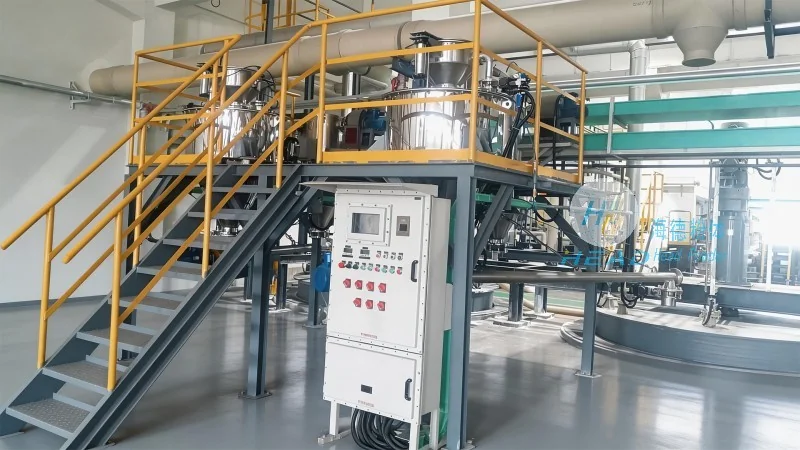
Belt conveyors are a classic solution for transporting bulk crystalline materials over longer distances. These systems consist of a continuous belt that moves over rollers or a flat surface. The belt is typically made of durable materials like rubber or PVC to withstand the abrasive nature of crystals. Belt conveyors are suitable for both horizontal and inclined transport and can handle large volumes of material. They are commonly used in mining and chemical processing industries to move raw crystals from extraction sites to processing plants. The key advantage of belt conveyors is their high capacity and ability to operate continuously for extended periods. However, they may require more space and maintenance compared to other methods, especially when dealing with very fine or sticky crystals.
For vertical or inclined transport of crystalline materials, bucket elevators are an excellent choice. These systems use a series of buckets attached to a chain or belt that moves vertically. The buckets scoop up material at the bottom and discharge it at the top, allowing for efficient vertical movement. Bucket elevators are ideal for handling materials that are prone to bridging or caking, as the continuous motion prevents material buildup. They are commonly used in the food and pharmaceutical industries to transport sugar or salt crystals from lower to higher levels in processing facilities. The main benefits include high vertical lift capacity and minimal material degradation. However, they require regular maintenance to ensure the buckets and chains are in good condition and to prevent material spillage.
Vibrating conveyors use vibrations to move crystalline materials along a trough. The conveyor is mounted on springs and driven by an electric motor, creating a sinusoidal motion that propels the material forward. This method is particularly effective for fine or sticky crystals that may not flow easily in traditional conveyors. Vibrating conveyors are often used in the chemical and pharmaceutical sectors to transport materials like calcium carbonate or lactose. They offer gentle handling, low maintenance, and the ability to handle materials with high moisture content. The key advantage is their ability to prevent material bridging and ensure consistent flow. However, they may not be suitable for very large or heavy crystals due to the risk of excessive vibration and wear on the system.
Selecting the appropriate conveyance method for crystal body transport involves evaluating several factors. The first step is to assess the physical properties of the material, such as particle size, density, and moisture content. For example, fine powders may be better suited for pneumatic or vibrating conveyors, while bulk granules may benefit from belt or screw conveyors. The distance and elevation changes also play a role; vertical transport may require bucket elevators, while horizontal transport can use screw or belt conveyors. Additionally, the processing environment, such as temperature and humidity, should be considered, as some materials may degrade under certain conditions. Shandong HeadPowder Engineering Co., Ltd. provides expert consultation to help clients choose the most suitable method based on their specific requirements.
Efficient crystal body conveyance is essential for maintaining product quality and operational efficiency in various industries. By understanding the different methods available and their applications, businesses can select the best solution for their needs. Whether using screw conveyors, pneumatic systems, belt conveyors, bucket elevators, or vibrating conveyors, each method offers unique advantages tailored to specific material and operational requirements. Shandong HeadPowder Engineering Co., Ltd. continues to innovate and provide reliable conveyance solutions, ensuring that crystalline materials are transported safely and effectively. With a focus on quality and customer satisfaction, the company remains a trusted partner in the field of crystal body conveyance.

 Shandong Headpowder Engineering Co., Ltd.
 156-6277-7102(Manager Zhang)
  0531-83386006
  Zhangqiu District, Jinan City, Shandong Province, China
telephone
WeChatconsult
top