With more than 10‑year industry experience, Shandong Headpowder delivers full‑service pneumatic‑conveying systems and blowers, undertaking nationwide turn‑key powder‑handling projects.
HeadPowder, a leading engineering firm based in Shandong, China, specializes in the design and implementation of pneumatic conveying systems tailored for the efficient handling of aluminum turnings. This article explores the application of pneumatic conveying technology in the bulk transport of aluminum turnings, highlighting the technical advantages and practical considerations for industrial operations.
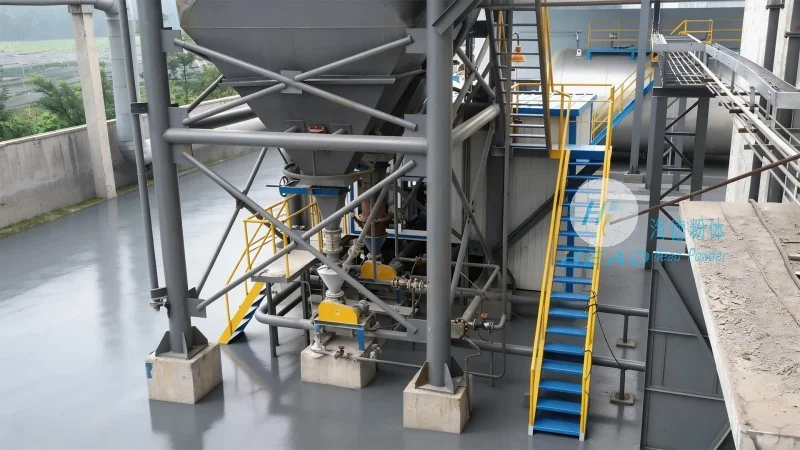
Aluminum turnings are the fine, irregularly shaped metal particles produced during machining processes. These materials are often characterized by their lightweight, high surface area, and tendency to generate dust or form agglomerates. Traditional handling methods, such as manual shoveling or mechanical conveying, may struggle with the unique properties of aluminum turnings, leading to inefficiencies, material loss, and increased operational costs. Pneumatic conveying offers a solution by utilizing air pressure to transport these materials in a controlled manner, minimizing contamination and optimizing throughput.
When compared to other bulk handling methods, pneumatic conveying provides several distinct advantages for aluminum turnings. First, it ensures a clean and dust-free transfer, which is critical for maintaining product quality and compliance with environmental regulations. The enclosed system prevents the release of fine particles into the environment, reducing the risk of inhalation hazards and contamination of other materials. Second, pneumatic conveying allows for high-speed and continuous transport, significantly increasing production efficiency. This is particularly beneficial in high-volume manufacturing environments where rapid material movement is essential. Third, the system can be designed to handle varying particle sizes and moisture content, adapting to the diverse characteristics of aluminum turnings from different machining operations. Additionally, pneumatic conveying reduces the need for manual labor, lowering labor costs and improving workplace safety by minimizing direct handling of potentially hazardous materials.
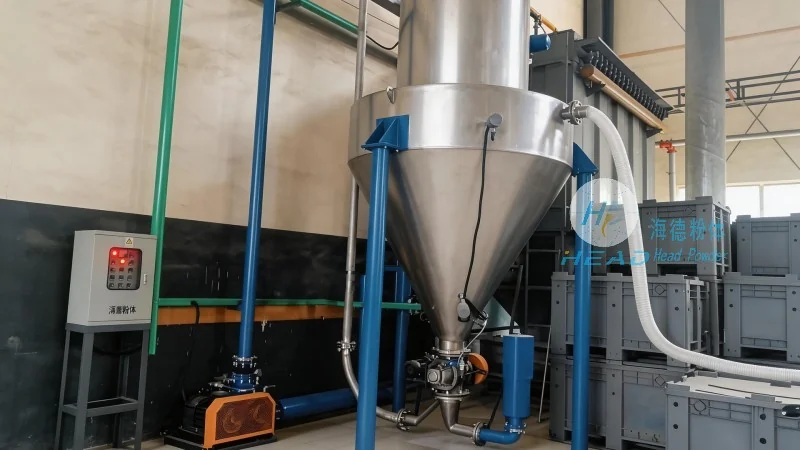
The effectiveness of a pneumatic conveying system for aluminum turnings depends on several key components. The primary elements include a blower or compressor to generate the necessary air pressure, a hopper or feeder to introduce the material, a pipeline system to transport the material-air mixture, and a receiver or discharge unit to collect the material. For aluminum turnings, which are often fine and abrasive, the selection of materials for the pipeline and components is crucial. High-quality stainless steel or specialized plastic materials are commonly used to prevent corrosion and wear from the abrasive nature of the material. The system may also incorporate features such as cyclone separators or filters to separate the material from the air stream, ensuring that the material is deposited in the desired location without clogging the system. Additionally, the design of the system must consider the specific flow characteristics of aluminum turnings, including their density, particle size distribution, and moisture content, to optimize the air-to-material ratio and maintain consistent performance.
Pneumatic conveying systems are widely applied in various stages of aluminum turnings processing, from initial collection after machining to final storage or transport to recycling facilities. In manufacturing plants, the system can be integrated into the production line to automatically collect turnings from machining centers and transfer them to a central storage silo or processing unit. This integration reduces downtime and improves the overall flow of materials within the facility. For companies involved in aluminum recycling, pneumatic conveying is essential for transporting turnings from collection points to processing plants, where they are melted and reformed into new aluminum products. The operational considerations for these systems include maintaining consistent air pressure and flow rates, regular maintenance of components to prevent wear and tear, and monitoring for any blockages or inefficiencies that could impact performance. Proper training of operators and adherence to safety protocols are also critical to ensure the safe and efficient operation of the system.
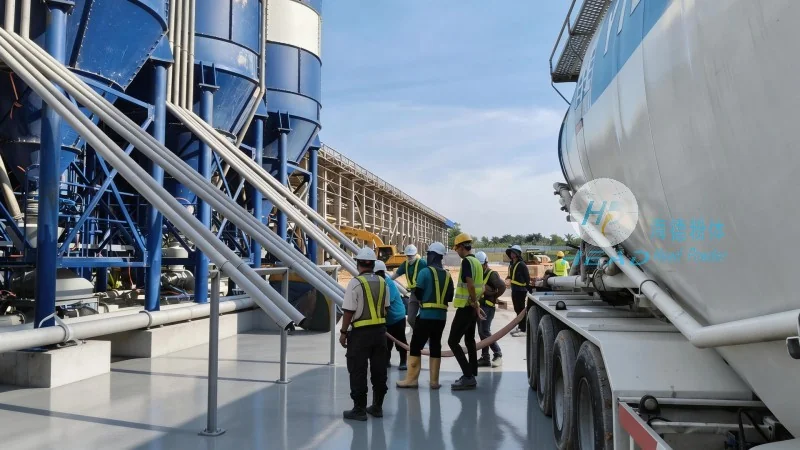
Shandong HeadPowder Engineering Co., Ltd. has successfully implemented pneumatic conveying systems for several clients in the aluminum industry. One notable project involved a large manufacturing plant that was experiencing significant material loss and inefficiencies due to traditional handling methods. The company designed and installed a custom pneumatic conveying system that integrated with the existing production line. The system was configured to handle the specific characteristics of the aluminum turnings produced by the plant, including their fine particle size and high volume. The results were immediate and substantial: material loss was reduced by over 90%, production throughput increased by 25%, and labor costs associated with manual handling were eliminated. The system also improved workplace safety by eliminating the need for workers to handle heavy or dusty materials. This case study demonstrates the effectiveness of pneumatic conveying in addressing the unique challenges of aluminum turnings handling and the value that specialized engineering firms like HeadPowder can provide in optimizing industrial processes.
Pneumatic conveying represents a highly effective and efficient solution for the bulk handling of aluminum turnings. By leveraging air pressure to transport materials in a controlled and enclosed environment, the technology addresses the challenges associated with traditional handling methods, offering benefits such as reduced material loss, increased production efficiency, and improved workplace safety. As the aluminum industry continues to grow and demand for efficient processing methods increases, the adoption of advanced pneumatic conveying systems will likely become more widespread. Companies like Shandong HeadPowder Engineering Co., Ltd. play a vital role in providing tailored solutions that meet the specific needs of industrial operations, ensuring that the benefits of pneumatic conveying are realized across various applications. The future of aluminum turnings handling is likely to be characterized by the continued integration of advanced technologies, and pneumatic conveying will remain a cornerstone of efficient material transport in the industry.

 Shandong Headpowder Engineering Co., Ltd.
 156-6277-7102(Manager Zhang)
  0531-83386006
  Zhangqiu District, Jinan City, Shandong Province, China
telephone
WeChatconsult
top