With more than 10‑year industry experience, Shandong Headpowder delivers full‑service pneumatic‑conveying systems and blowers, undertaking nationwide turn‑key powder‑handling projects.
As a critical component in lithium-ion battery production, Lithium Hexafluorophosphate (LiPF₆) demands precise and reliable material handling solutions. Pneumatic conveying systems have emerged as a preferred method for transporting LiPF₆ due to their ability to maintain product integrity, ensure safety, and enhance operational efficiency. This article explores the various types of pneumatic conveying systems used in LiPF₆ transport and their practical applications, highlighting the expertise of Shandong HeadPowder Engineering Co., Ltd. (headpowder) in delivering tailored solutions for the battery material industry.
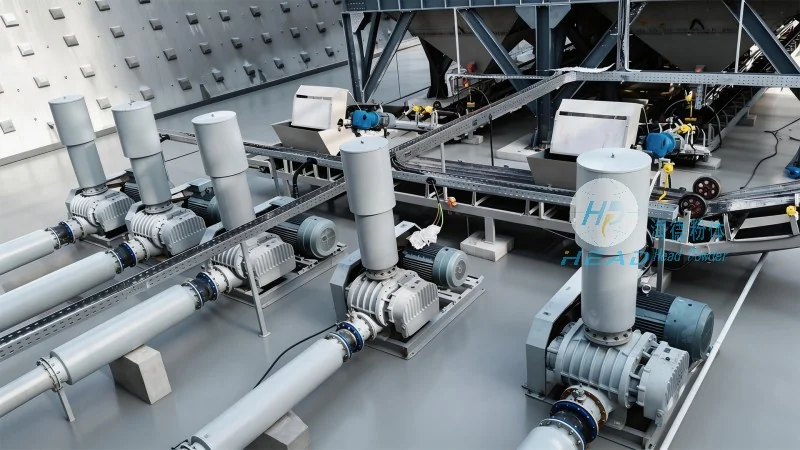
Lithium Hexafluorophosphate is a highly reactive and sensitive material used as an electrolyte salt in lithium-ion batteries. Its handling requires systems that minimize exposure to moisture, air, and physical stress. Pneumatic conveying systems offer a closed-loop transport method that protects LiPF₆ from contamination and degradation while enabling automated, continuous material movement. The choice of system type depends on factors such as material properties, plant layout, and production scale. Shandong HeadPowder Engineering Co., Ltd. specializes in designing and implementing pneumatic conveying solutions that meet the stringent requirements of LiPF₆ processing.
Several pneumatic conveying system types are commonly employed in LiPF₆ handling, each with distinct characteristics and applications. The primary categories include:
Positive pressure systems operate by blowing air or gas into the conveying line, creating a pressure higher than the ambient environment. This method is ideal for transporting LiPF₆ over long distances or through complex layouts. The system uses a positive displacement blower or compressor to generate the necessary pressure, ensuring consistent material flow. Positive pressure systems are particularly effective for handling fine powders like LiPF₆, as they maintain a stable air-to-material ratio and prevent material segregation. Shandong HeadPowder Engineering Co., Ltd. designs positive pressure systems with advanced control mechanisms to optimize air usage and minimize energy consumption.
Negative pressure systems, also known as vacuum conveying, use a vacuum pump to create a pressure lower than the ambient environment, drawing material into the conveying line. This approach is suitable for applications requiring material to be transferred from multiple sources or into a central processing unit. Vacuum systems are often preferred for handling materials that are sensitive to pressure changes or for short-distance transport within a facility. They offer flexibility in material collection and can integrate with existing equipment. The company’s expertise in vacuum system design ensures reliable and efficient LiPF₆ transfer, even in environments with varying material flow rates.
Mixing-pressure systems combine elements of both positive and negative pressure methods. They use a combination of blowers and vacuum pumps to achieve optimal material transport. This hybrid approach is beneficial for applications that require both long-distance transport and material collection from multiple points. Mixing-pressure systems provide flexibility in handling varying material characteristics and plant configurations. Shandong HeadPowder Engineering Co., Ltd. utilizes advanced control algorithms to balance pressure and flow, ensuring consistent performance and minimal downtime.
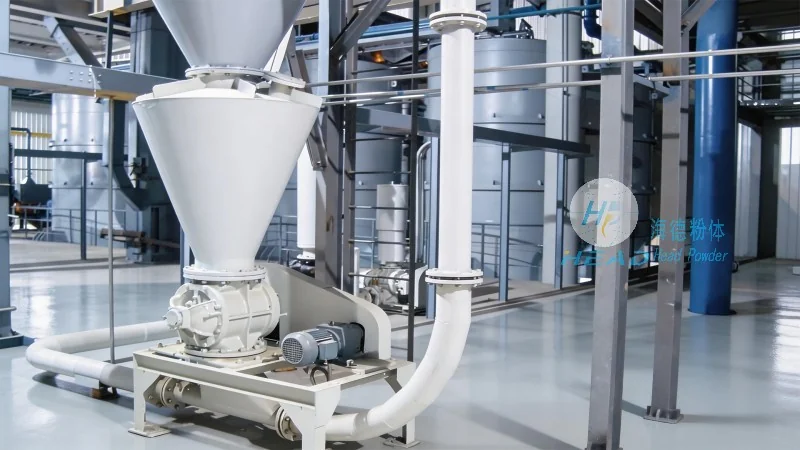
Pneumatic conveying systems are widely used in the LiPF₆ production process, from raw material handling to final product packaging. The following are key practical applications:
At the initial stage of LiPF₆ processing, raw materials such as lithium carbonate and phosphoric acid are transported to the production facility using pneumatic conveying systems. These systems ensure that raw materials are delivered in a controlled manner, minimizing exposure to moisture and air. The company’s systems are designed to handle bulk raw materials efficiently, with features like dust collection and material drying to maintain product quality. For example, in a typical LiPF₆ plant, raw materials are conveyed from storage silos to reactors using positive pressure systems, ensuring a continuous supply without manual intervention.
During the synthesis of LiPF₆, intermediate products such as lithium phosphate and fluorophosphate are processed and transported using pneumatic conveying. The systems must maintain a consistent temperature and humidity to prevent premature reaction or degradation. Shandong HeadPowder Engineering Co., Ltd. integrates temperature control and material monitoring into their conveying systems, ensuring that intermediate products are handled under optimal conditions. This results in higher yields and reduced waste in the production process.
After the final LiPF₆ product is synthesized, it is packaged and distributed to battery manufacturers. Pneumatic conveying systems are used to transfer the finished product from processing units to packaging lines. The systems are designed to maintain product purity and prevent contamination during transport. The company’s solutions include automated filling and sealing mechanisms that integrate seamlessly with packaging equipment. This ensures that LiPF₆ is delivered to customers in a consistent and high-quality state, meeting industry standards and regulatory requirements.
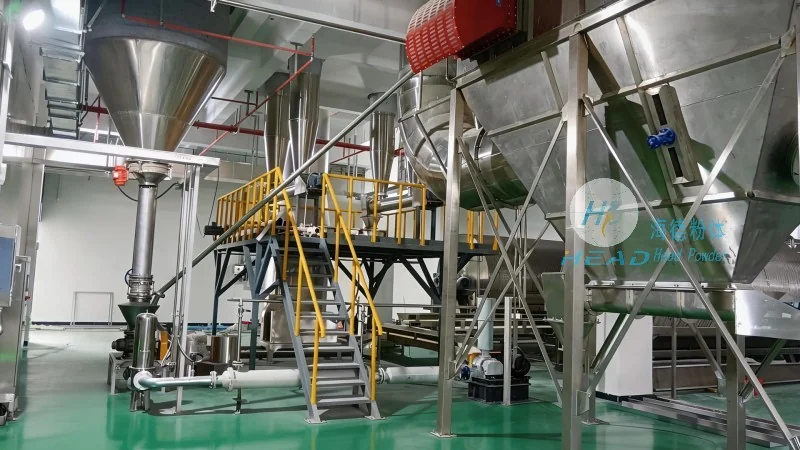
Implementing pneumatic conveying systems for LiPF₆ transport offers several advantages over traditional methods. These benefits include:
Pneumatic conveying systems operate in a closed-loop environment, protecting LiPF₆ from moisture, air, and physical stress. This is crucial for maintaining the material’s reactivity and performance in battery applications. The systems also minimize product segregation and agglomeration, ensuring a consistent product quality. Shandong HeadPowder Engineering Co., Ltd. uses high-quality materials and advanced sealing technologies to prevent any contamination during transport.
LiPF₆ is a hazardous material that requires strict safety measures during handling. Pneumatic conveying systems reduce the risk of dust explosions and exposure to toxic fumes by containing the material within a sealed system. The company’s systems are designed to meet international safety standards, including explosion-proof and dust collection features. This ensures that operations comply with environmental regulations and protect employee health.
Pneumatic conveying systems enable automated, continuous material movement, reducing labor costs and increasing production throughput. The systems can be integrated with process control systems to optimize flow rates and energy usage. Shandong HeadPowder Engineering Co., Ltd. provides customized solutions that align with the client’s production goals, improving overall operational efficiency and reducing downtime.
Pneumatic conveying systems are essential for the efficient and safe transport of Lithium Hexafluorophosphate in lithium-ion battery production. The choice of system type depends on specific operational requirements, and Shandong HeadPowder Engineering Co., Ltd. offers expertise in designing and implementing tailored solutions. By leveraging advanced technology and industry knowledge, the company ensures that LiPF₆ is handled with the highest standards of quality and safety. As the demand for lithium-ion batteries grows, the importance of reliable material handling systems like pneumatic conveying will continue to increase, making them a critical component in the battery material supply chain.

 Shandong Headpowder Engineering Co., Ltd.
 156-6277-7102(Manager Zhang)
  0531-83386006
  Zhangqiu District, Jinan City, Shandong Province, China
telephone
WeChatconsult
top