With more than 10‑year industry experience, Shandong Headpowder delivers full‑service pneumatic‑conveying systems and blowers, undertaking nationwide turn‑key powder‑handling projects.
Understanding the design and functionality of polyethylene pneumatic conveying equipment is crucial for industries dealing with bulk powder handling. This equipment, often referred to as a powder conveying system, plays a vital role in efficiently transporting materials like polyethylene powders from one location to another within a manufacturing or processing facility. The following sections will delve into the structural components and operational principles that define these systems, providing a comprehensive overview for professionals in the field.
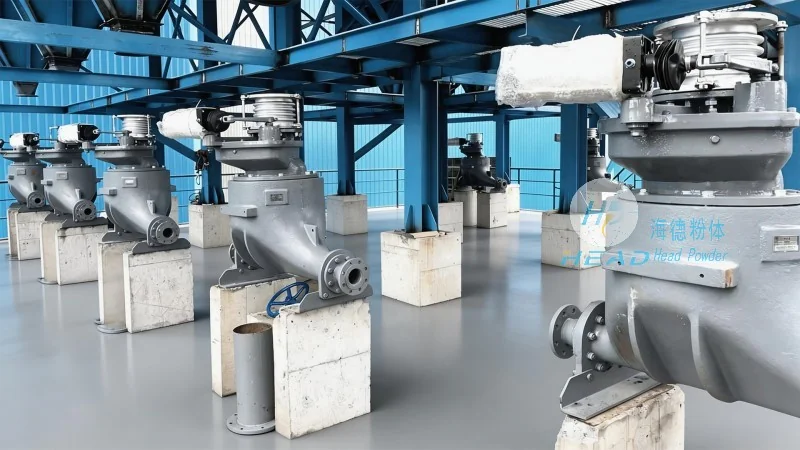
At the heart of a polyethylene pneumatic conveying system lies a series of interconnected components engineered to handle the unique properties of polyethylene powders. These components work in synergy to ensure reliable and efficient material transport. The primary elements include a hopper for material storage, a feeder mechanism to control the flow of powder, a conveying line (typically made of polyethylene or other suitable materials) to transport the material, and a receiver or discharge unit to collect the material at the destination. The hopper is designed to accommodate the bulk volume of polyethylene powder, often with a conical or rectangular shape to facilitate smooth material discharge. The feeder, which may be a rotary valve or a screw feeder, regulates the flow rate of the powder into the conveying line, preventing overloading and ensuring consistent operation. The conveying line itself is a critical component, as it must withstand the pressure and temperature conditions associated with pneumatic transport. In many cases, the line is constructed from polyethylene or other corrosion-resistant materials to ensure durability and compatibility with the conveyed material. The receiver or discharge unit is responsible for collecting the material at the end of the conveying path, often equipped with a dust collection system to maintain air quality and prevent material loss.
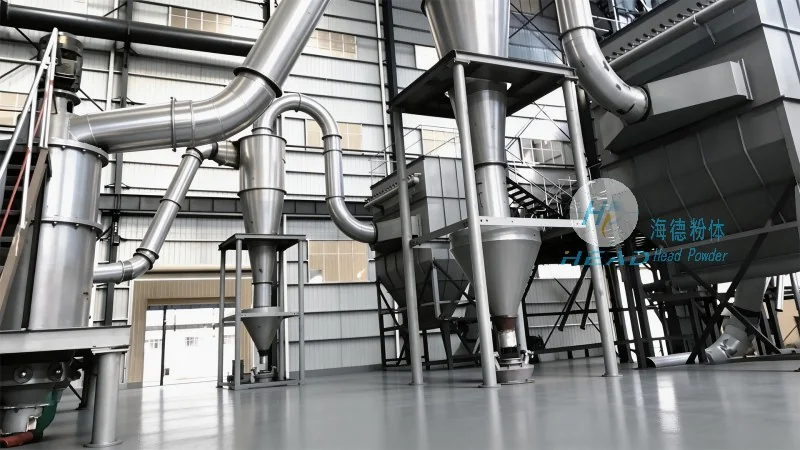
The operational principle of polyethylene pneumatic conveying equipment revolves around the use of compressed air to move the powder through the conveying line. This method, known as pneumatic conveying, eliminates the need for mechanical components like belts or buckets, reducing maintenance requirements and increasing operational efficiency. The process begins with the material being fed from the hopper into the conveying line. As compressed air is introduced into the line, it creates a low-pressure zone that draws the polyethylene powder particles into the air stream. The air and powder mixture then travels through the conveying line to the receiver, where the air is separated from the powder and either vented or recycled. The key to efficient pneumatic conveying is maintaining a consistent air velocity within the line, which is typically between 20 to 30 meters per second for polyethylene powders. This velocity ensures that the powder particles remain suspended in the air stream, preventing clogging and ensuring smooth transport. The system also incorporates pressure relief valves and filters to protect against overpressure and maintain air quality. The entire process is controlled by a series of sensors and controllers that monitor parameters such as pressure, flow rate, and temperature, ensuring optimal performance and preventing equipment damage.
Polyethylene pneumatic conveying equipment is widely used in various industries due to its versatility and efficiency. These systems are commonly employed in the plastics manufacturing sector, where polyethylene powders are transported between processing units, such as extruders, mixers, and storage silos. The equipment is also utilized in pharmaceutical and food processing industries, where the hygienic design of the system is critical. The benefits of using pneumatic conveying for polyethylene powders include reduced material handling time, improved safety by eliminating manual handling, and enhanced product quality by minimizing contamination and material degradation. Additionally, the system can be easily integrated into existing production lines, allowing for seamless material transport without the need for extensive modifications. The compact design of these systems also makes them suitable for facilities with limited space, as they can be installed in a vertical or horizontal configuration depending on the layout requirements.
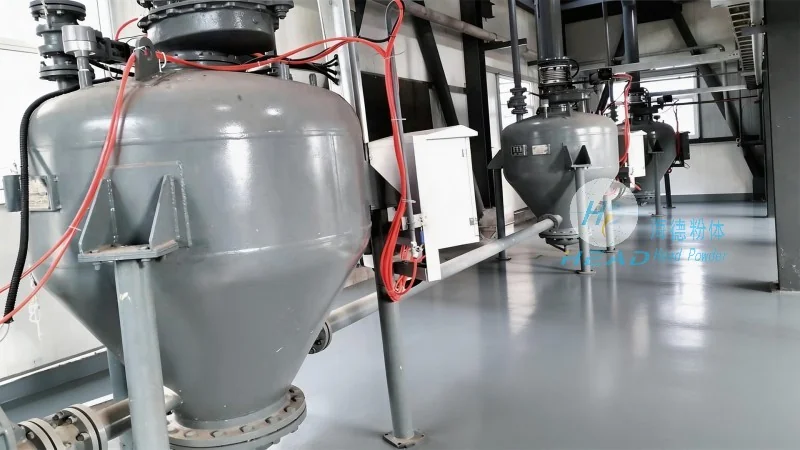
Shandong HeadPowder Engineering Co., Ltd., a leading manufacturer of powder handling equipment, specializes in the design, fabrication, and installation of polyethylene pneumatic conveying systems. With a focus on quality and innovation, the company has established itself as a trusted partner for industries requiring reliable bulk material transport solutions. HeadPowder's expertise lies in tailoring equipment to meet the specific needs of each client, ensuring that the systems are optimized for the properties of the conveyed material, such as polyethylene powders. The company's facilities are located in Shandong, China, where it leverages advanced manufacturing technologies and a skilled workforce to produce high-quality equipment. By adhering to international standards and providing comprehensive after-sales support, HeadPowder ensures that its customers receive durable and efficient polyethylene pneumatic conveying equipment that meets their operational requirements.

 Shandong Headpowder Engineering Co., Ltd.
 156-6277-7102(Manager Zhang)
  0531-83386006
  Zhangqiu District, Jinan City, Shandong Province, China
telephone
WeChatconsult
top