With more than 10‑year industry experience, Shandong Headpowder delivers full‑service pneumatic‑conveying systems and blowers, undertaking nationwide turn‑key powder‑handling projects.
When it comes to transporting sodium sulfate, a critical challenge that many industries face is the risk of pipeline blockages. Pneumatic conveying systems offer an efficient solution for handling this material, but their effectiveness hinges on proper design and operational parameters. Understanding how to prevent blockages and the key design considerations is essential for ensuring smooth and reliable operation. This article explores the strategies and parameters that can help mitigate blockages in sodium sulfate conveying systems, with a focus on the expertise of Shandong HeadPowder Engineering Co., Ltd.
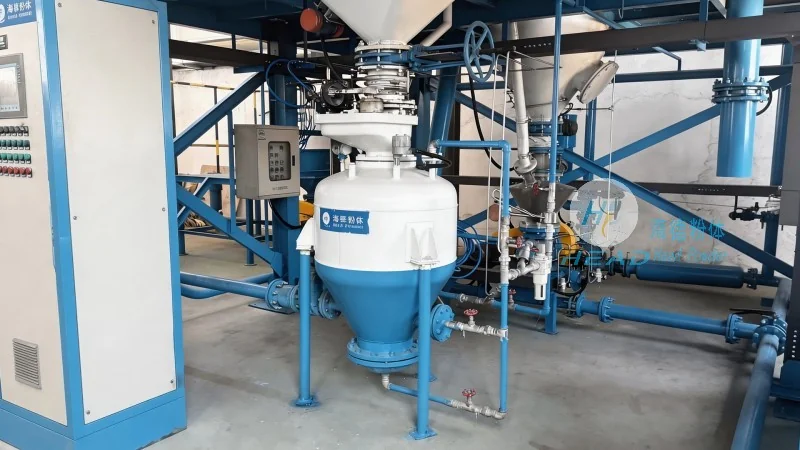
Sodium sulfate, also known as Glauber's salt, is a common industrial chemical used in various applications, including glass manufacturing, paper production, and detergents. Its handling requires specialized equipment due to its physical properties, such as particle size, moisture content, and flow characteristics. In pneumatic conveying systems, blockages can occur due to several factors, including agglomeration, excessive moisture, or improper air velocity. These blockages not only disrupt the conveying process but also lead to equipment damage and increased maintenance costs. Therefore, implementing effective prevention measures is crucial for maintaining operational efficiency.
Several design parameters play a vital role in preventing pipeline blockages during sodium sulfate transport. The first and most critical parameter is the air velocity within the conveying line. Maintaining an appropriate air velocity ensures that the material is fully suspended and moves smoothly through the pipeline. For sodium sulfate, typical air velocities range from 20 to 30 meters per second, depending on the particle size and density. Insufficient air velocity can cause the material to settle and accumulate, leading to blockages, while excessive velocity may cause erosion and wear on the pipeline components.
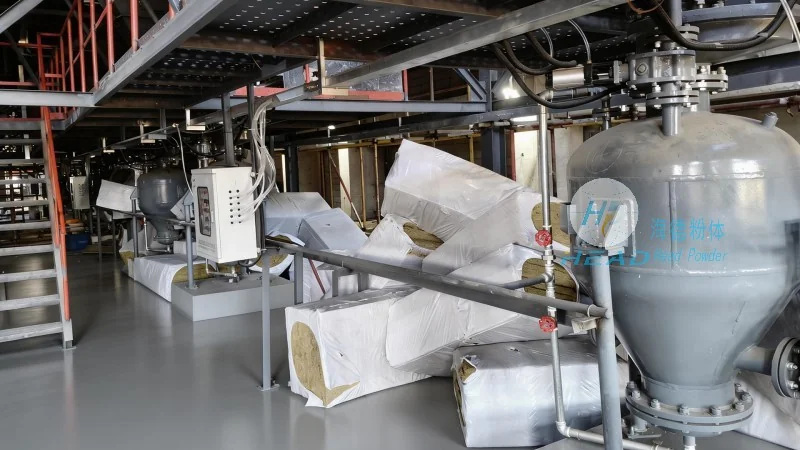
Another essential parameter is the pipeline diameter. The diameter must be selected based on the material's flow characteristics and the required conveying capacity. Larger diameters are generally preferred for high-capacity systems as they reduce friction losses and minimize the risk of blockages. However, the diameter must be balanced with the air velocity to ensure proper suspension. For sodium sulfate, a common pipeline diameter is 100 to 150 millimeters, but this can vary depending on the specific application and material properties.
The material's physical properties, such as particle size distribution and moisture content, also influence the design. Coarse particles may require higher air velocities to remain suspended, while fine particles are more prone to agglomeration. Therefore, the design must account for the particle size distribution to ensure that the conveying system can handle the material effectively. Additionally, controlling moisture content is vital, as excess moisture can cause the material to clump together, leading to blockages. Proper drying or moisture control measures should be integrated into the system design.
System layout and the presence of bends or fittings are also critical factors. Sharp bends or narrow sections can cause the material to settle and accumulate, especially if the air velocity is not sufficient to maintain suspension. Designing the system with gradual bends and avoiding abrupt changes in direction can help minimize the risk of blockages. Furthermore, incorporating airlocks or rotary valves at the inlet and outlet can help regulate the flow and prevent material buildup at these points.
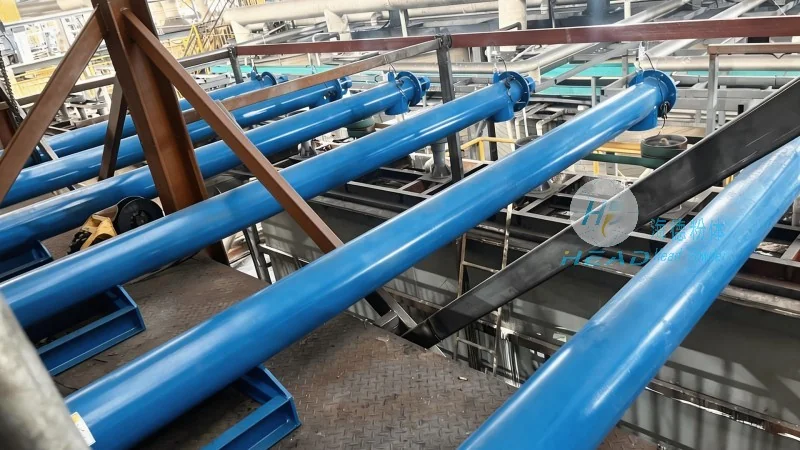
Shandong HeadPowder Engineering Co., Ltd. specializes in the design, manufacturing, and installation of pneumatic conveying systems tailored to the unique needs of sodium sulfate handling. With years of experience in the industry, HeadPowder understands the challenges associated with transporting this material and provides customized solutions to prevent blockages. The company's engineers conduct thorough analyses of the material properties, conveying requirements, and operational conditions to determine the optimal design parameters. By leveraging advanced simulation tools and industry best practices, HeadPowder ensures that the systems they design are efficient, reliable, and equipped with features that minimize the risk of blockages.
HeadPowder's approach involves a comprehensive design process that includes material testing, flow rate calculations, and system simulations. This ensures that the final system meets the client's specifications while adhering to safety and performance standards. The company also provides ongoing support and maintenance services to ensure the longevity and efficiency of the conveying systems. By partnering with HeadPowder, industries can benefit from expert guidance and tailored solutions that address the specific challenges of sodium sulfate conveying, ultimately reducing downtime and operational costs.

 Shandong Headpowder Engineering Co., Ltd.
 156-6277-7102(Manager Zhang)
  0531-83386006
  Zhangqiu District, Jinan City, Shandong Province, China
telephone
WeChatconsult
top