With more than 10‑year industry experience, Shandong Headpowder delivers full‑service pneumatic‑conveying systems and blowers, undertaking nationwide turn‑key powder‑handling projects.
When it comes to transporting bulk materials like sodium sulfate, the choice of equipment can significantly impact operational efficiency and safety. Pneumatic conveying systems, particularly those designed for sodium sulfate, offer a reliable solution that combines efficiency with minimal environmental impact. This article delves into the structure and working principle of such equipment, highlighting how it addresses the unique challenges of handling this chemical compound.
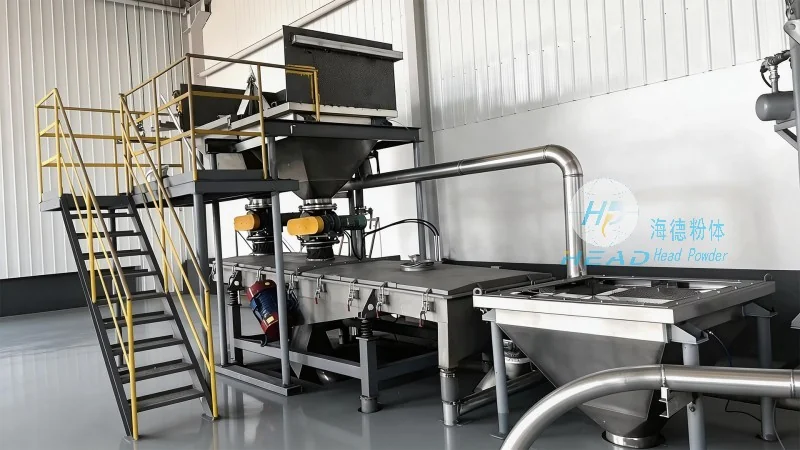
HeadPowder, a leading manufacturer in the field, specializes in providing customized pneumatic conveying solutions tailored to the needs of industries dealing with sodium sulfate. With headquarters in Shandong, China, the company has built a reputation for delivering robust and efficient equipment that meets international standards. The company’s commitment to quality and innovation ensures that their products are not only effective but also durable, making them a trusted choice for businesses in the chemical and material handling sectors.
The heart of any sodium sulfate pneumatic conveying system lies in its modular design, which typically includes several key components. The first stage involves the material feeding process, where the sodium sulfate is introduced into the system through a hopper or feeder. This component ensures a consistent and controlled flow of material, preventing blockages and maintaining system stability. The feeder is often equipped with a rotary valve or a screw feeder, which regulates the amount of material entering the conveying line.
Once the material is fed, it is drawn into the conveying line by a high-pressure air or gas stream. The pressure differential created by the blower or compressor propels the sodium sulfate particles through the pipeline. The design of the pipeline itself is critical, as it must withstand the pressure and temperature variations associated with the conveying process. Typically, the pipeline is made of corrosion-resistant materials like stainless steel or special plastics to ensure longevity and prevent contamination.
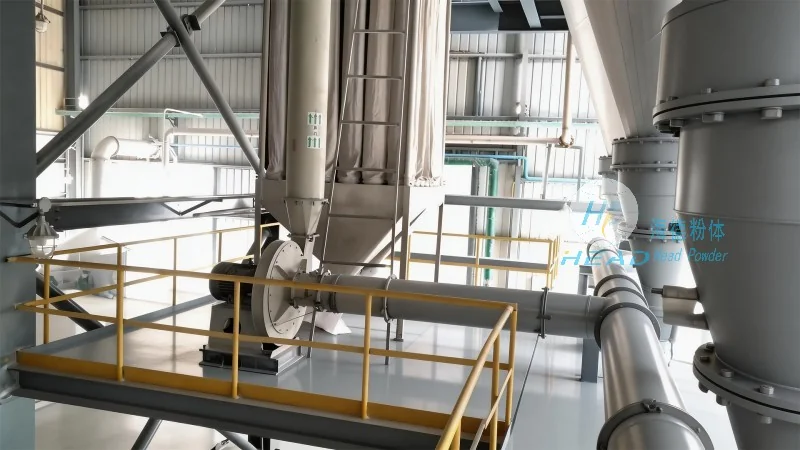
The conveying system also includes a separation unit, which is essential for recovering the material from the air stream. As the mixture of sodium sulfate and air reaches the separator, the larger particles are separated from the air, often through a cyclone or a bag filter. The separated material is then collected in a discharge bin or hopper, while the cleaned air is either vented to the atmosphere or recycled back into the system for energy efficiency.
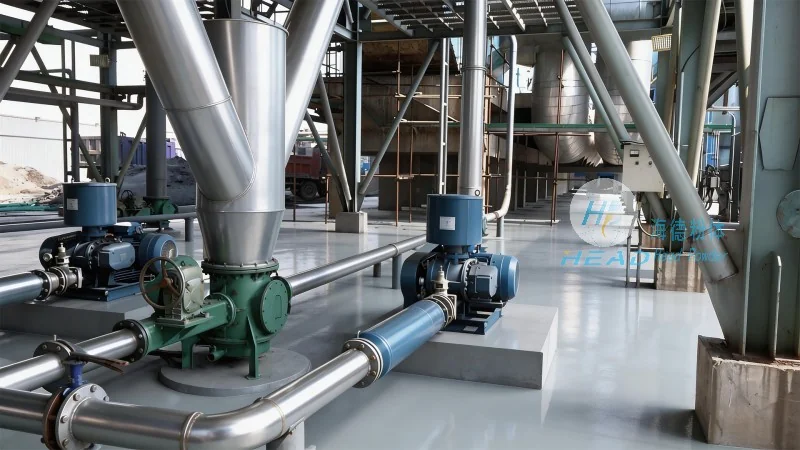
The operation of a sodium sulfate pneumatic conveying system follows a straightforward yet effective principle. The process begins with the material being fed into the system at a controlled rate. The feeder ensures that the material is introduced without creating excessive pressure or air turbulence, which could lead to material degradation or system inefficiencies. As the material enters the conveying line, it is entrained by the high-velocity air stream generated by the blower.
The air stream, moving at speeds typically between 20 to 30 meters per second, carries the sodium sulfate particles through the pipeline. The velocity is carefully controlled to ensure that the particles remain suspended without settling or causing blockages. The pipeline design, including bends and fittings, is optimized to minimize pressure loss and maintain the air velocity necessary for effective conveying.
At the receiving end, the separator plays a crucial role. The cyclone or bag filter uses centrifugal force to separate the heavier sodium sulfate particles from the lighter air. The separated material is collected in a container, while the air is either filtered and recycled or released. This separation process is vital for maintaining the purity of the material and ensuring that the system operates without dust or contamination issues.
Compared to traditional methods like belt conveyors or bucket elevators, pneumatic conveying offers several advantages when handling sodium sulfate. One of the key benefits is the ability to transport the material in a closed system, which prevents dust emissions and protects the environment. This is particularly important for sodium sulfate, which can be a respiratory irritant if not handled properly. The closed system also reduces the risk of material contamination, ensuring that the product remains pure and meets quality standards.
Another advantage is the flexibility of the system. Pneumatic conveying can handle a wide range of material characteristics, including different particle sizes, moisture contents, and bulk densities. This makes it suitable for various applications, from small-scale laboratory use to large-scale industrial production. The system can also be easily modified or expanded to accommodate changes in production volume or material types.
Efficiency is another significant benefit. By using compressed air as the conveying medium, the system can transport materials over long distances with minimal energy consumption. The absence of moving parts in the conveying line reduces maintenance requirements and downtime, leading to lower operational costs. Additionally, the system’s ability to handle multiple destinations or routes makes it versatile for complex material handling scenarios.
Sodium sulfate is widely used in various industries, including detergents, paper manufacturing, and glass production. In these applications, the need for efficient and reliable material handling is critical. Pneumatic conveying systems are particularly well-suited for these industries due to their ability to handle the material safely and effectively. For example, in the detergent industry, sodium sulfate is used as a filler and a processing aid. The pneumatic conveying system ensures that the material is transported from storage to production lines without any loss or contamination.
In the paper industry, sodium sulfate is used as a processing agent in the pulping and bleaching stages. The system’s ability to handle fine particles and maintain a consistent flow is essential for maintaining the quality of the paper product. Similarly, in the glass industry, sodium sulfate is used as a flux to lower the melting point of glass. The efficient conveying of this material is crucial for the production of high-quality glass products.
For businesses dealing with sodium sulfate, investing in a well-designed pneumatic conveying system is a strategic decision that can enhance operational efficiency and safety. The structure and working principle of such equipment, as explained above, provide a reliable solution for transporting this chemical compound. With companies like Shandong HeadPowder Engineering Co., Ltd. offering customized solutions, businesses can choose equipment that meets their specific needs and budget. By understanding the components and advantages of pneumatic conveying, companies can make informed decisions that lead to improved productivity and reduced operational costs.

 Shandong Headpowder Engineering Co., Ltd.
 156-6277-7102(Manager Zhang)
  0531-83386006
  Zhangqiu District, Jinan City, Shandong Province, China
telephone
WeChatconsult
top