With more than 10‑year industry experience, Shandong Headpowder delivers full‑service pneumatic‑conveying systems and blowers, undertaking nationwide turn‑key powder‑handling projects.
HeadPowder, a leading engineering firm based in Shandong, China, specializes in the development and implementation of advanced pneumatic conveying systems tailored for Polyvinyl Butyral (PVB) materials. This article explores the fundamental principles, practical applications, and emerging trends in PVB pneumatic conveying technology, providing a comprehensive overview for industry professionals and stakeholders.
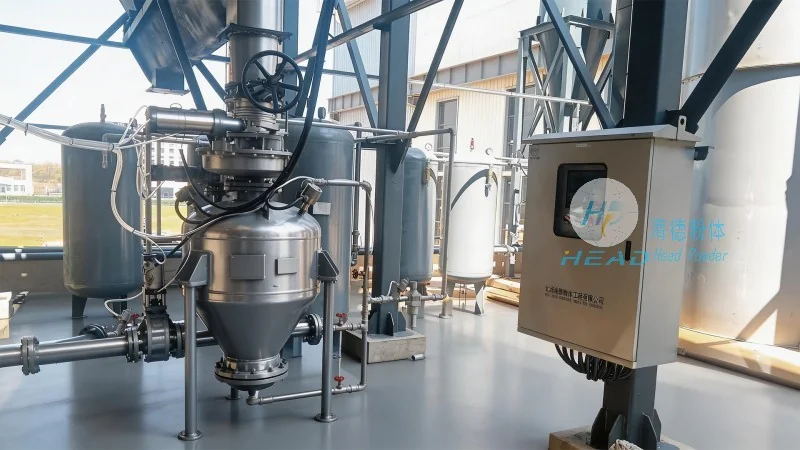
Pneumatic conveying is a method of transporting bulk materials, such as PVB, through a pipeline using a stream of pressurized air or vacuum. The core principle involves creating a flow of air that carries the PVB particles, ensuring efficient and controlled movement from the source to the destination. There are two primary types of pneumatic conveying systems: pressure systems and vacuum systems. Pressure systems utilize positive pressure to push the material through the pipeline, while vacuum systems use negative pressure to pull the material. For PVB, which is often used in applications requiring high purity and minimal contamination, the choice of system depends on factors like material properties, distance, and process requirements.
The effectiveness of a PVB pneumatic conveying system relies on several critical components. These include the hopper or feeder, which controls the flow of PVB into the system; the conveyor line, which transports the material; and the receiver or discharge unit, which collects the material at the end of the process. Additionally, components like airlocks, filters, and cyclones are essential for maintaining material quality and system efficiency. The design of the system must consider PVB's characteristics, such as its viscosity and tendency to agglomerate, to prevent blockages and ensure smooth operation. Proper sizing of the pipeline, air velocity, and pressure differentials is crucial to achieve optimal conveying performance.
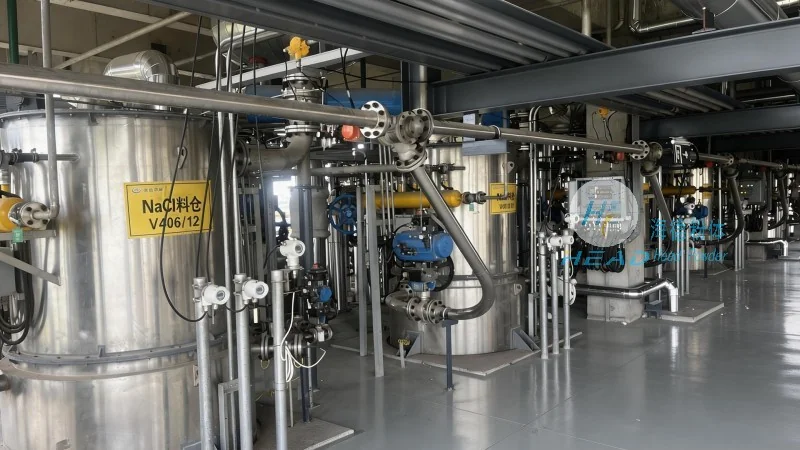
PVB, known for its excellent optical clarity and adhesion properties, is widely used in the production of safety glass, automotive windshields, and optical coatings. Pneumatic conveying technology plays a vital role in integrating PVB into these manufacturing processes. For instance, in the automotive industry, PVB is conveyed from storage silos to mixing and casting equipment, where it is combined with other materials to form laminated glass. The ability to handle PVB with minimal dust and contamination is critical in such applications, as any impurities can affect the final product's quality. Similarly, in the construction and glass manufacturing sectors, PVB is used in the production of high-performance glazing, and pneumatic conveying ensures a consistent and reliable supply of the material to production lines.
Compared to traditional methods like belt conveyors or bucket elevators, pneumatic conveying offers several advantages for PVB handling. These include the ability to transport PVB in a closed system, reducing dust exposure and environmental impact. The system also allows for precise control over material flow, minimizing waste and optimizing production efficiency. Furthermore, pneumatic conveying can handle PVB over long distances and varying elevations without the need for complex infrastructure, making it a flexible solution for diverse industrial settings. The technology also supports the integration of PVB with other materials in a single system, streamlining production processes and reducing operational costs.
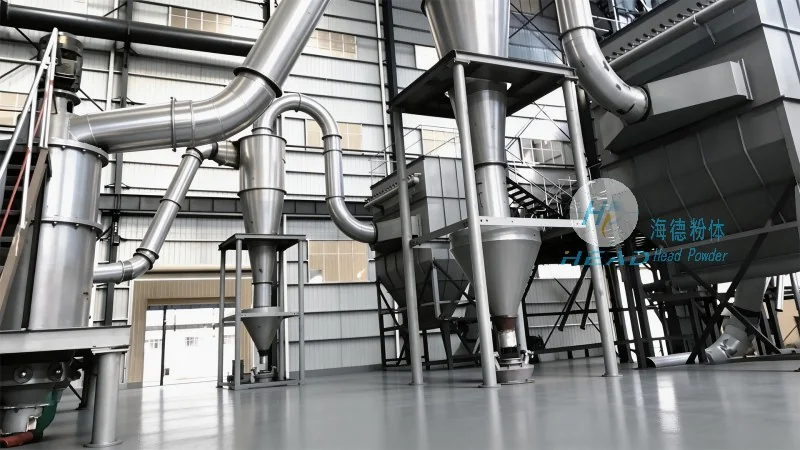
The field of PVB pneumatic conveying is continuously evolving, driven by advancements in material science and process control. One emerging trend is the integration of automation and digital monitoring systems, which enable real-time tracking of PVB flow rates, pressure, and temperature. This data-driven approach allows for proactive maintenance and optimization of the conveying system, improving overall efficiency and reducing downtime. Another development is the use of advanced materials in pipeline construction, such as corrosion-resistant alloys, to handle PVB's potential chemical interactions with the system components. Additionally, research is focused on improving the energy efficiency of pneumatic conveying systems, with innovations like variable speed drives and optimized air compression techniques reducing operational costs. These advancements are expected to enhance the reliability and sustainability of PVB pneumatic conveying in the coming years.
HeadPowder's expertise in PVB pneumatic conveying technology provides industrial clients with a reliable and efficient solution for handling this critical material. By understanding the principles, applications, and trends in PVB conveying, businesses can optimize their production processes, enhance product quality, and stay competitive in the market. As the technology continues to evolve, the integration of advanced systems and sustainable practices will further improve the performance and sustainability of PVB handling in various industries.

 Shandong Headpowder Engineering Co., Ltd.
 156-6277-7102(Manager Zhang)
  0531-83386006
  Zhangqiu District, Jinan City, Shandong Province, China
telephone
WeChatconsult
top