With more than 10‑year industry experience, Shandong Headpowder delivers full‑service pneumatic‑conveying systems and blowers, undertaking nationwide turn‑key powder‑handling projects.
Monosodium glutamate (MSG), commonly known as sodium glutamate, is a widely used flavor enhancer in the food industry. The efficient and reliable transportation of MSG powder is crucial for maintaining product quality and operational efficiency in food processing facilities. This article explores the working principles and key features of modern monosodium glutamate powder conveying lines, highlighting the technological advancements and practical applications that enhance their performance.
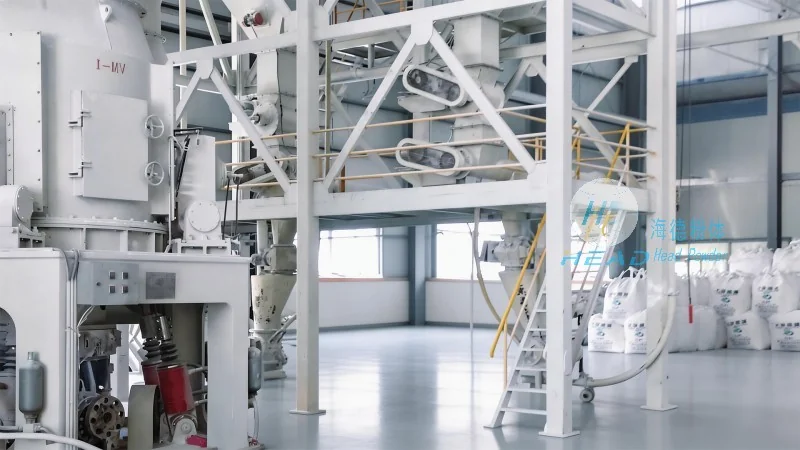
Monosodium glutamate powder conveying lines are specialized systems designed to transport MSG powder from storage silos or processing units to packaging or further processing stages. These systems are engineered to handle the unique characteristics of MSG powder, such as its fine particle size, hygroscopic nature, and potential for dust generation. The primary goal is to ensure a continuous, low-loss, and safe transfer of the powder while maintaining its quality and preventing contamination.
The working principle of a typical monosodium glutamate powder conveying line involves several integrated components working in tandem. The system typically starts with a storage silo or hopper where the MSG powder is stored. From there, the powder is fed into a conveying device, such as a screw conveyor, pneumatic conveyor, or a combination of both. The screw conveyor uses rotating screws to move the powder along a tube or trough, while pneumatic conveyors utilize air pressure to transport the powder through a pipeline. In some advanced systems, a combination of both methods is employed to optimize efficiency and reduce energy consumption.
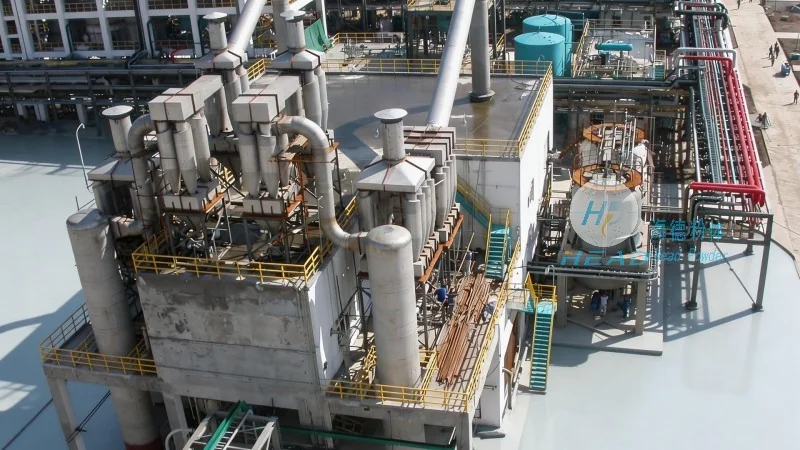
Control systems play a critical role in regulating the flow rate and pressure within the conveying line. Sensors and controllers monitor the powder level in the silo, the pressure in the air lines, and the speed of the conveying equipment. This real-time monitoring allows for automatic adjustments to maintain consistent flow and prevent blockages or overloading. The control panel, often equipped with user-friendly interfaces, enables operators to adjust settings and troubleshoot issues quickly, ensuring smooth operation.
Modern monosodium glutamate powder conveying lines are characterized by several key features that enhance their performance and reliability. One of the most significant features is the use of dust-proof and airtight designs. MSG powder is hygroscopic and can absorb moisture from the air, which may affect its quality and cause caking. Therefore, the conveying systems are constructed with materials that are resistant to moisture and equipped with sealing mechanisms to prevent air ingress and dust leakage.
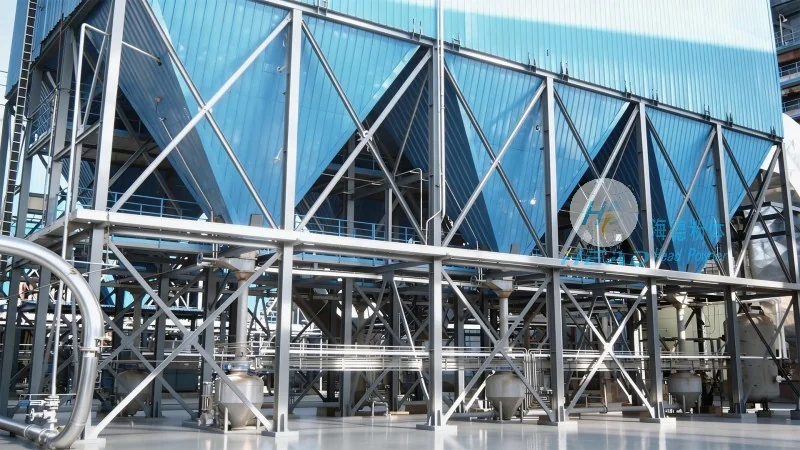
Another important feature is the integration of cleaning and maintenance systems. These systems allow for easy disassembly and cleaning of the conveying components, reducing downtime and ensuring compliance with hygiene standards. The use of stainless steel and other corrosion-resistant materials further enhances durability and longevity. Additionally, the systems are designed to minimize product loss and contamination, with features such as low-pressure drop designs and efficient separation of air and powder.
Energy efficiency is also a key consideration in modern conveying lines. Advanced systems incorporate energy-saving technologies, such as variable frequency drives (VFDs) for the conveying motors, which adjust the speed based on the actual load. This not only reduces energy consumption but also extends the lifespan of the equipment by preventing excessive wear and tear. The use of high-efficiency air compressors and optimized pipeline designs further contributes to overall energy savings.
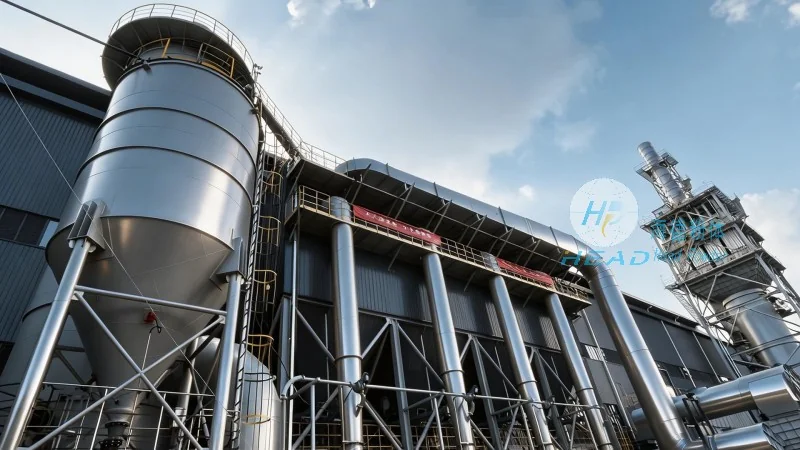
Monosodium glutamate powder conveying lines are widely used in various food processing applications, including the production of seasonings, soups, and other flavor-enhanced products. The benefits of these systems extend beyond just efficient transportation. By maintaining the quality and purity of the MSG powder, the conveying lines help ensure consistent flavor profiles and product safety. The reduced risk of contamination and product loss also contributes to cost savings and improved operational efficiency for food manufacturers.
In conclusion, monosodium glutamate powder conveying lines are sophisticated systems that combine advanced technology with practical design to meet the demanding requirements of the food industry. The working principles and key features discussed above highlight the importance of these systems in ensuring the efficient and reliable handling of MSG powder. As a leading provider in this field, Shandong HeadPowder Engineering Co., Ltd. specializes in designing and manufacturing customized conveying solutions tailored to the specific needs of food processing facilities, helping businesses achieve optimal performance and product quality.

 Shandong Headpowder Engineering Co., Ltd.
 156-6277-7102(Manager Zhang)
  0531-83386006
  Zhangqiu District, Jinan City, Shandong Province, China
telephone
WeChatconsult
top