With more than 10‑year industry experience, Shandong Headpowder delivers full‑service pneumatic‑conveying systems and blowers, undertaking nationwide turn‑key powder‑handling projects.
Positive and negative electrode material powder conveying lines are critical components in the production of lithium-ion batteries, ensuring the efficient and safe transport of raw materials. This article explores the working principle and key features of such systems, highlighting how they contribute to the overall efficiency and quality of battery manufacturing processes.
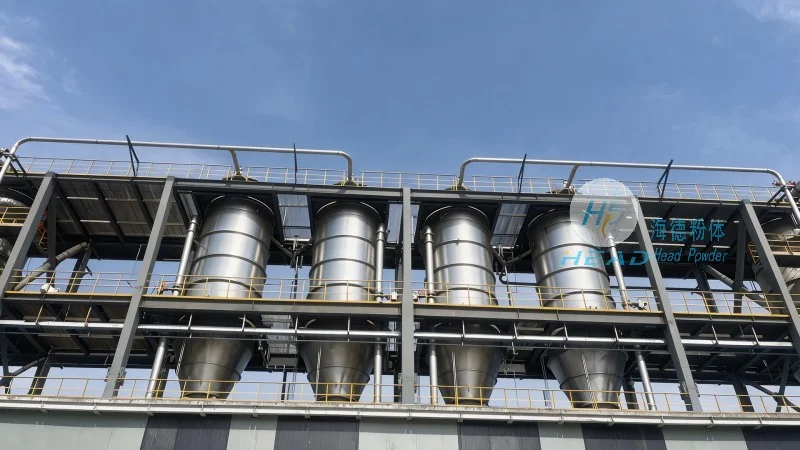
These conveying systems are designed to handle fine powders used in the production of battery electrodes. The primary goal is to transport materials from storage to processing units with minimal loss, contamination, and energy consumption. The systems typically integrate various components such as hoppers, feeders, conveyors, and control mechanisms to achieve this objective.
The operation of a positive and negative electrode material powder conveying line involves several sequential steps. First, raw materials are stored in bulk containers or silos. A feeder, often a rotary valve or a screw feeder, regulates the flow of material from the storage hopper into the conveying line. The material is then transported through a pipeline using pneumatic or mechanical means. Pneumatic conveying systems use compressed air to move the powder, while mechanical systems employ screw conveyors or belt conveyors. The conveying process is controlled by a programmable logic controller (PLC) that monitors flow rates, pressure, and other parameters to maintain optimal performance.

Several features distinguish high-quality positive and negative electrode material powder conveying lines. One key feature is the use of sealed and dust-proof designs to prevent material contamination and environmental pollution. The systems are equipped with advanced control systems that allow for precise regulation of material flow, ensuring consistent quality in the final electrode products. Additionally, the conveyors are often made from materials resistant to corrosion and wear, such as stainless steel, to extend their service life. Another important feature is the integration of safety mechanisms, including overpressure and overcurrent protection, to prevent accidents during operation.
The positive and negative electrode material powder conveying lines are essential in the battery production process. They ensure that raw materials are delivered to the mixing and coating stages in a controlled manner, which is crucial for achieving uniform electrode properties. The efficiency of these systems directly impacts the overall production throughput and cost-effectiveness of the battery manufacturing plant. By minimizing material loss and optimizing transport speed, the conveying lines contribute to higher yields and better product quality.
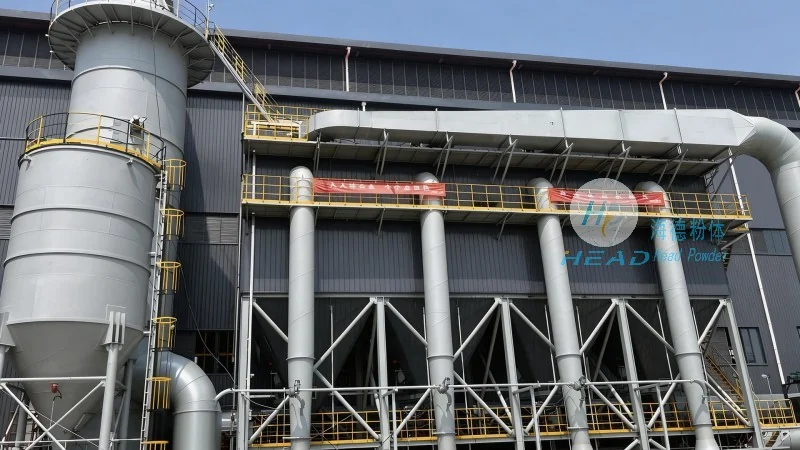
Shandong HeadPowder Engineering Co., Ltd., operating under the brand name headpowder, specializes in the design, manufacturing, and installation of advanced powder handling systems. With a focus on precision and reliability, the company provides customized solutions tailored to the specific needs of the battery industry. HeadPowder's expertise in material handling technology ensures that their conveying lines meet the stringent requirements of modern battery production, supporting the growth of the energy storage sector.
In summary, positive and negative electrode material powder conveying lines operate on a principle of controlled, efficient material transport, utilizing advanced technologies to maintain product quality and safety. The key features of these systems, including sealed designs, precise control, and durable construction, make them indispensable in battery manufacturing. As a leading provider in the field, Shandong HeadPowder Engineering Co., Ltd. continues to innovate and deliver high-performance solutions that enhance the productivity and sustainability of battery production processes.

 Shandong Headpowder Engineering Co., Ltd.
 156-6277-7102(Manager Zhang)
  0531-83386006
  Zhangqiu District, Jinan City, Shandong Province, China
telephone
WeChatconsult
top