With more than 10‑year industry experience, Shandong Headpowder delivers full‑service pneumatic‑conveying systems and blowers, undertaking nationwide turn‑key powder‑handling projects.
Adipic acid powder conveyors are specialized equipment designed for the efficient handling and transportation of adipic acid powder in industrial settings. As a key component in the chemical processing industry, these conveyors play a crucial role in ensuring smooth material flow and maintaining product quality. This article provides an in-depth look at the working principles and key features of adipic acid powder conveyors, highlighting how they contribute to operational efficiency and safety in powder handling applications.
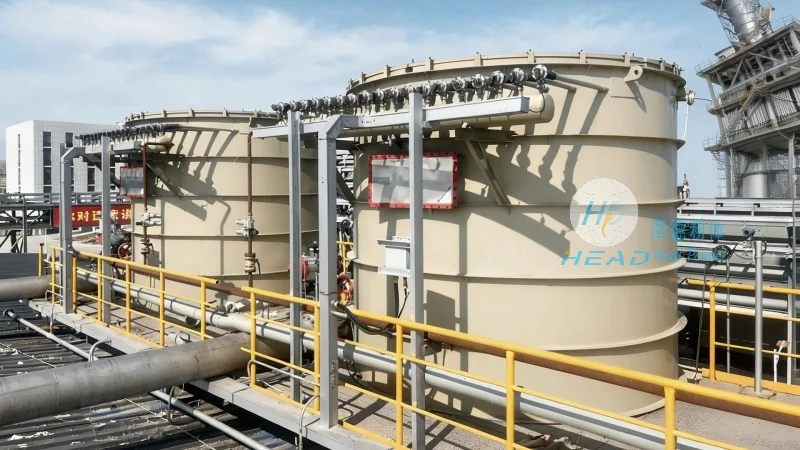
Adipic acid, a widely used organic acid in the production of nylon and other polymers, is often handled as a fine powder in industrial processes. The need for reliable and efficient powder conveyors has led to the development of specialized equipment tailored to the unique properties of adipic acid powder. These conveyors are engineered to address challenges such as dust generation, material segregation, and the need for gentle handling to preserve the integrity of the powder. By understanding the working principles and features of adipic acid powder conveyors, users can select the most suitable equipment for their specific applications and optimize their production lines.
The core working principle of adipic acid powder conveyors revolves around the use of mechanical systems to move powder from one location to another. These systems typically employ a combination of components, including hoppers, feeders, and conveyor belts or screws, to ensure consistent and controlled material flow. The process begins with the powder being fed into a hopper, where it is stored and prepared for transport. From the hopper, the powder is then transferred to a feeder, which regulates the flow rate to match the requirements of the downstream process. The feeder may use various mechanisms, such as rotary valves or vibratory feeders, to control the discharge of powder into the conveyor system.
Once the powder is fed into the conveyor, it is transported through a series of components, such as a screw conveyor or a belt conveyor, depending on the design. Screw conveyors use rotating screws to push the powder forward, while belt conveyors utilize a moving belt to carry the material. The choice of conveyor type depends on factors like the powder's bulk density, flowability, and the required conveying distance. For adipic acid powder, which can be prone to caking or segregation, the conveyor design must minimize these issues to maintain consistent performance. Advanced conveyor systems may incorporate features like air knives or vibration plates to prevent material buildup and ensure smooth operation.
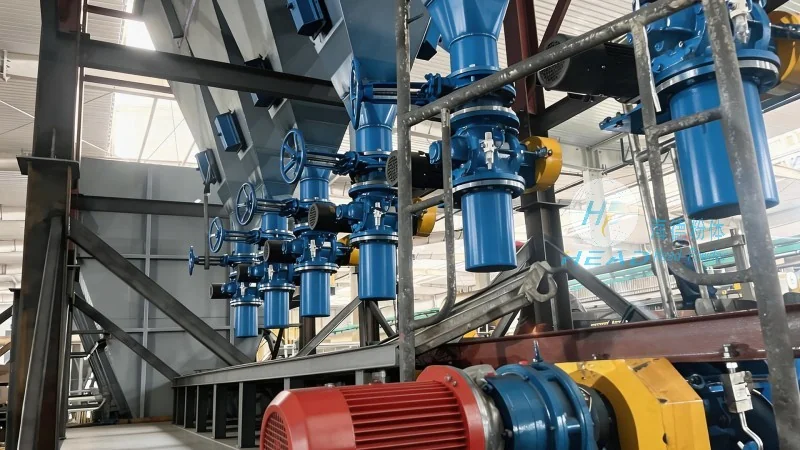
Adipic acid powder conveyors are equipped with several key features that enhance their performance and reliability. One of the most important features is the ability to handle fine powders without causing excessive dust or contamination. This is achieved through the use of sealed and enclosed designs that prevent powder from escaping into the environment. The conveyors are often constructed with materials that are resistant to corrosion and chemical exposure, such as stainless steel or special coatings, to withstand the acidic nature of adipic acid.
Another critical feature is the control over material flow and speed. Precise control of the conveyor speed and feed rate is essential to prevent overloading or underloading, which can lead to inefficiencies or equipment damage. Modern adipic acid powder conveyors are often equipped with variable speed drives and sensors that monitor the flow rate and adjust the conveyor speed in real-time. This ensures that the conveyor operates at optimal conditions, reducing energy consumption and extending the equipment's lifespan.
Additionally, these conveyors are designed for easy maintenance and cleaning. The use of removable components and easy-to-clean surfaces helps minimize downtime and ensures that the equipment remains in good working condition. The design also considers the need for regular maintenance, with accessible parts and clear maintenance schedules to keep the conveyor running smoothly. Safety features, such as emergency stop buttons and interlocks, are also integrated into the system to protect operators and prevent accidents during operation.
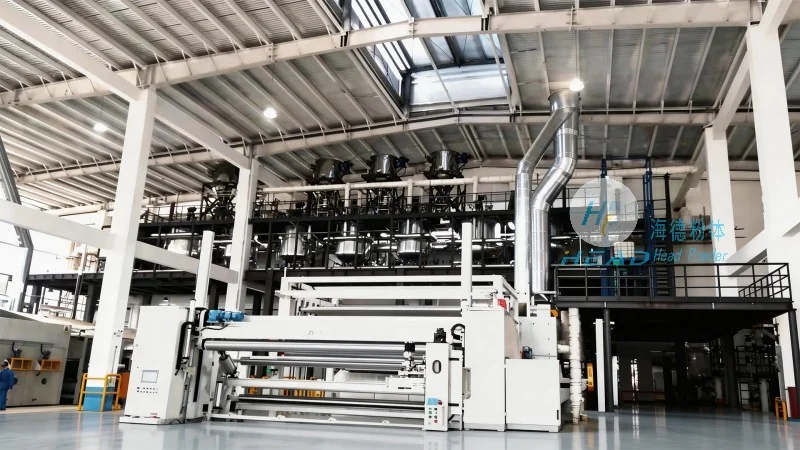
HeadPowder, a leading manufacturer of powder handling equipment, specializes in providing high-quality adipic acid powder conveyors and related solutions. With years of experience in the industry, the company has developed a reputation for producing reliable and efficient equipment tailored to the needs of chemical processing plants. HeadPowder's products are designed to meet the stringent requirements of adipic acid handling, ensuring that they can withstand the challenges of industrial environments.
HeadPowder is committed to delivering innovative solutions that enhance operational efficiency and safety in powder handling applications. The company's team of engineers and technicians work closely with clients to understand their specific requirements and provide customized conveyor systems that meet their needs. By leveraging advanced technology and rigorous quality control, HeadPowder ensures that its adipic acid powder conveyors are durable, reliable, and cost-effective for long-term use.
HeadPowder's headquarters is located in Shandong, China, where the company operates a state-of-the-art manufacturing facility. The facility is equipped with modern production equipment and quality control systems to ensure that every product meets the highest standards. The company's commitment to quality and customer satisfaction has earned it a strong reputation in the industry, with clients worldwide relying on its products for their powder handling needs.

 Shandong Headpowder Engineering Co., Ltd.
 156-6277-7102(Manager Zhang)
  0531-83386006
  Zhangqiu District, Jinan City, Shandong Province, China
telephone
WeChatconsult
top