With more than 10‑year industry experience, Shandong Headpowder delivers full‑service pneumatic‑conveying systems and blowers, undertaking nationwide turn‑key powder‑handling projects.
When it comes to efficiently handling and transporting fibrous materials in industrial settings, selecting the right conveying method is crucial for maintaining productivity and ensuring material integrity. Fibrous materials, such as wood chips, paper pulp, agricultural residues, and other fibrous waste, require specialized equipment to manage their unique properties like bulkiness, tendency to mat, and varying moisture content. The choice of conveying system directly impacts operational efficiency, energy consumption, and the overall cost-effectiveness of material handling processes.
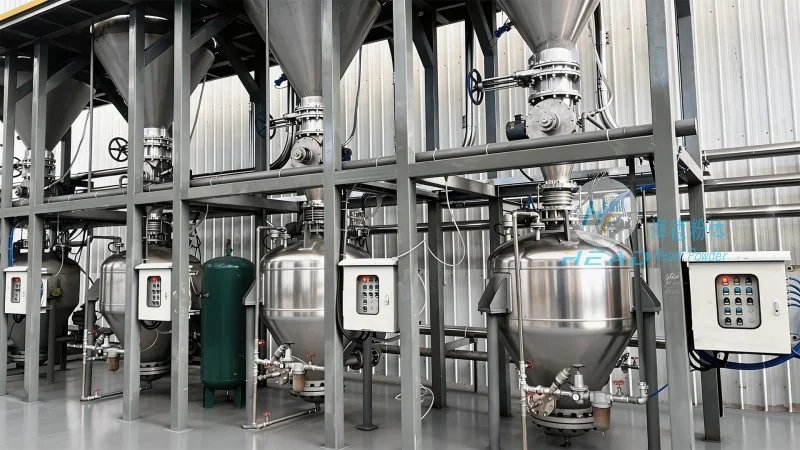
Screw conveyors, also known as auger conveyors, are among the most common and effective methods for transporting fibrous materials. These systems consist of a rotating helical screw blade mounted inside a trough or tube. As the screw rotates, it pushes the material forward through the conveyor, leveraging the mechanical action to move bulk materials with minimal friction. Screw conveyors are particularly suitable for fibrous materials due to their ability to handle materials that tend to mat or stick together. They can operate in both horizontal and inclined positions, making them adaptable to various layouts in industrial facilities. The design allows for gentle material handling, reducing the risk of damage to delicate fibers or particles. Additionally, screw conveyors can be equipped with variable speed drives to adjust the conveying rate based on material characteristics and process requirements. This flexibility makes them ideal for applications where the material composition or flow rate may change during operation.
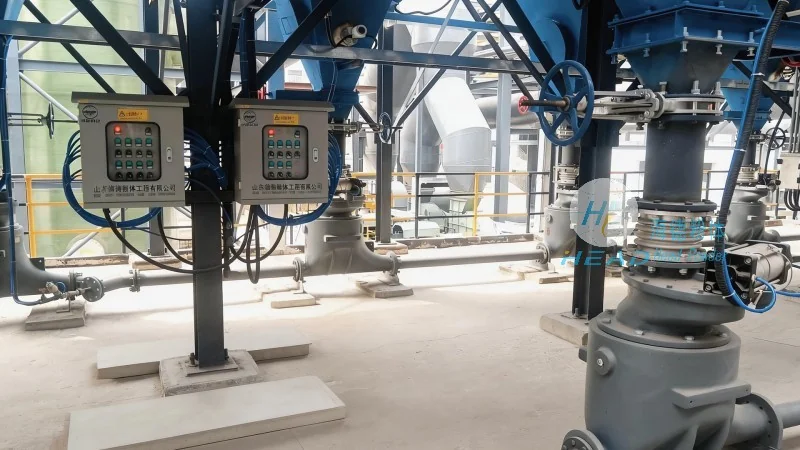
Belt conveyors represent another widely used method for transporting fibrous materials, especially in applications requiring high throughput and long-distance transport. These systems utilize a continuous loop of belt material supported by rollers or idlers, which moves the material along the conveyor path. The belt can be made from various materials, including rubber or synthetic polymers, to provide durability and resistance to abrasion from fibrous materials. Belt conveyors are particularly effective for transporting materials that are free-flowing or have a relatively uniform size distribution. They can handle large volumes of fibrous material with minimal maintenance, making them suitable for continuous production lines. The design allows for easy integration with other processing equipment, such as feeders, classifiers, or storage silos. Belt conveyors can also be customized with special features, such as side walls or cleats, to prevent material spillage and improve load retention, which is essential for fibrous materials that may be lightweight or prone to scattering.
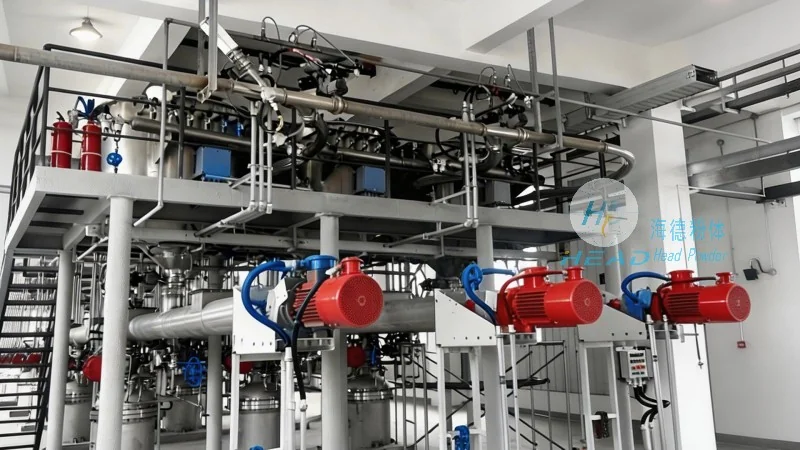
Pneumatic conveying systems offer a unique approach to transporting fibrous materials by using air pressure or suction to move the material through a pipeline. These systems can be categorized into two main types: positive pressure and negative pressure (or vacuum) systems. Positive pressure systems force air and material through the pipeline using a blower or compressor, while negative pressure systems draw material into the pipeline using a vacuum pump. Pneumatic conveyors are highly effective for handling fibrous materials that are dusty or have a tendency to generate airborne particles. They can transport materials over long distances with minimal loss, and the enclosed pipeline design helps maintain material cleanliness and prevents contamination. This method is particularly useful for applications where the material needs to be transported in a controlled environment, such as in food processing or pharmaceutical industries. However, pneumatic conveying systems require careful consideration of air flow rates and pipeline design to ensure efficient material transport and prevent blockages. The system's ability to handle fine or lightweight fibrous materials makes it a preferred choice in many industrial applications.
For applications requiring vertical transport of fibrous materials, bucket elevators provide an efficient and reliable solution. These systems consist of a continuous chain or belt with attached buckets that move vertically within a housing. As the buckets ascend, they pick up material from a hopper at the bottom and discharge it at the top. Bucket elevators are ideal for transporting fibrous materials that need to be moved vertically, such as from a storage silo to a processing unit or from a lower level to an upper level in a facility. They can handle a wide range of material types and flow rates, and their enclosed design prevents material spillage and dust emissions. The mechanical design of bucket elevators allows for high capacity and low maintenance, making them suitable for continuous operation in industrial settings. The buckets are typically designed to grip the material securely, preventing it from falling back during the upward movement. This ensures consistent material flow and reduces the risk of blockages or material degradation. Bucket elevators are particularly effective for handling fibrous materials that are dense or have a tendency to mat, as the buckets provide gentle handling and prevent damage to the material.
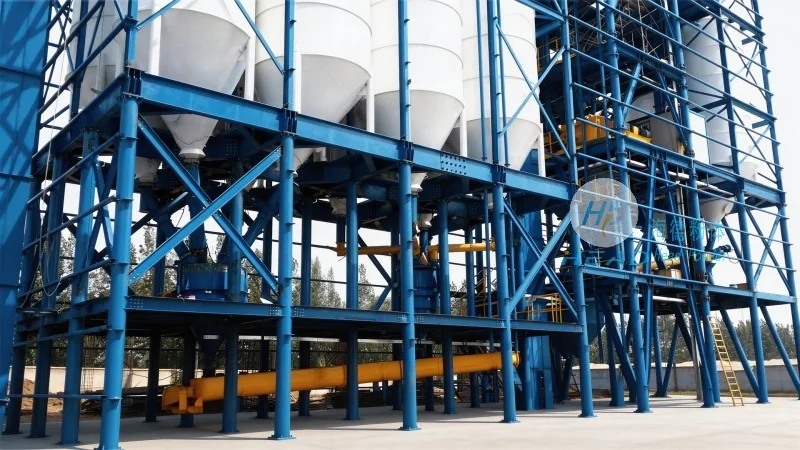
Vibrating conveyors use mechanical vibrations to move fibrous materials along a trough or conveyor bed. These systems consist of a conveyor surface that is mounted on a frame and vibrated at a specific frequency and amplitude. The vibrations cause the material to move forward by creating a series of waves or ripples along the conveyor. Vibrating conveyors are particularly suitable for handling delicate or sensitive fibrous materials that are prone to damage from high impact or friction. They can gently transport materials like paper pulp, wood chips, or agricultural residues without causing breakage or degradation. The design allows for adjustable vibration parameters, enabling operators to optimize the conveying rate based on material characteristics. This flexibility makes vibrating conveyors ideal for applications where the material may vary in size, moisture content, or bulk density. The enclosed design of vibrating conveyors helps maintain material cleanliness and prevents dust emissions, which is important for indoor or controlled environments. Additionally, these systems can be equipped with side walls or barriers to prevent material spillage and improve load retention, ensuring efficient material transport even with lightweight fibrous materials.

 Shandong Headpowder Engineering Co., Ltd.
 156-6277-7102(Manager Zhang)
  0531-83386006
  Zhangqiu District, Jinan City, Shandong Province, China
telephone
WeChatconsult
top