Types, Characteristics, and Applications of Lime Powder Pneumatic Conveying
Release time:2026-09-14 10:47:30
name of the company:Shandong Headpowder Engineering Co., Ltd.
telephone:156-6277-7102
contacts:Manager Zhang
Understanding the types, characteristics, and applications of lime powder pneumatic conveying is crucial for industries that rely on efficient material handling solutions. This article provides an in-depth look at the key aspects of lime powder pneumatic conveying, highlighting the technical features and practical uses of this method.
Introduction to Lime Powder Pneumatic Conveying
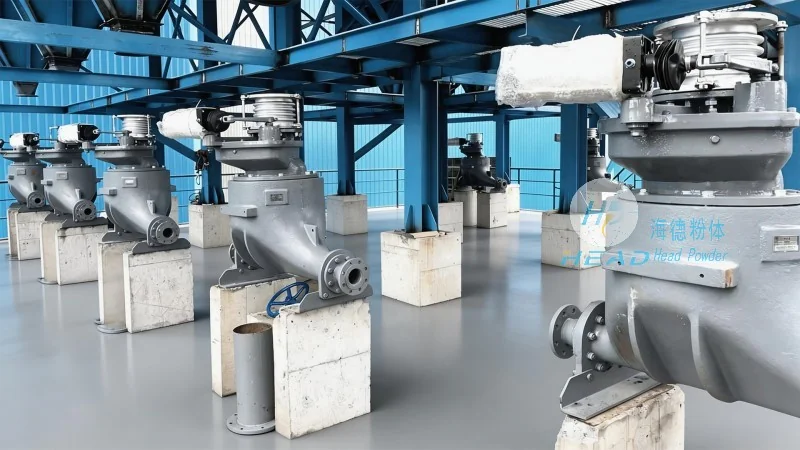
Lime powder, also known as calcium hydroxide, is widely used in various industrial processes, including water treatment, flue gas desulfurization, and chemical manufacturing. The efficient transportation of lime powder from storage to processing units is essential for maintaining operational efficiency and product quality. Pneumatic conveying offers a reliable and effective method for handling this fine powder, ensuring minimal dust generation and consistent flow rates.
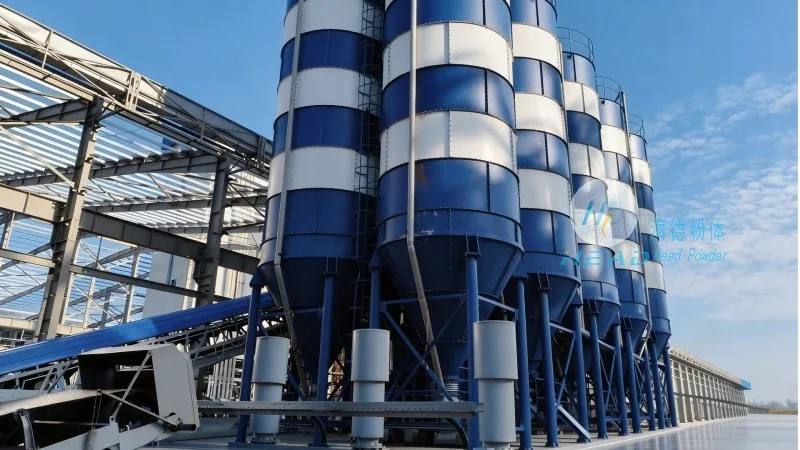
Types of Lime Powder Pneumatic Conveying Systems
There are several types of pneumatic conveying systems used for lime powder, each with its own advantages and applications. The primary categories include:
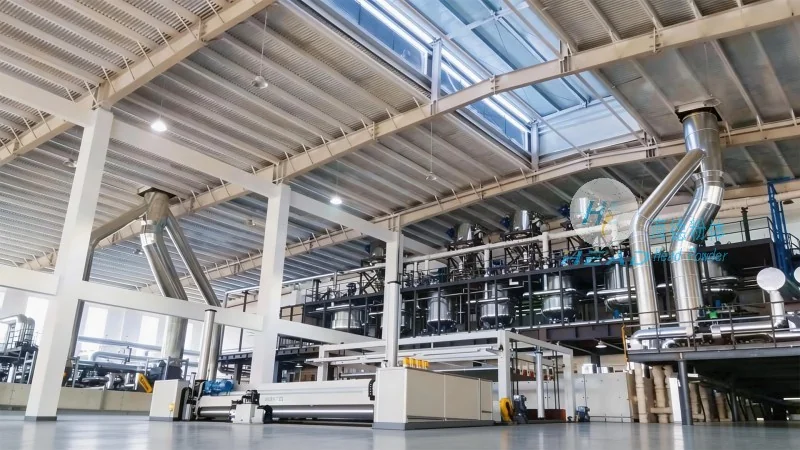
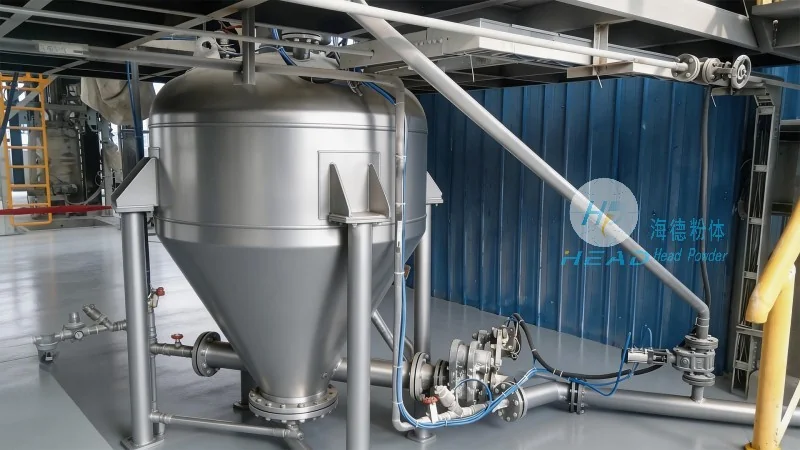
- Positive Pressure Conveying: This system uses a blower or compressor to generate positive pressure in the conveying line, pushing the material forward. It is suitable for short to medium distances and can handle both dilute and dense phase flows.
- Negative Pressure (Vacuum) Conveying: In this method, a vacuum is created at the receiving end to draw the material into the system. It is ideal for applications requiring dust-free environments and for conveying materials over longer distances.
- Dense Phase Conveying: This technique involves conveying the material in a slurry or dense phase, which reduces particle velocity and minimizes wear on equipment. It is particularly useful for handling abrasive or sensitive materials like lime powder.
- Flash Tank or Cyclone Conveying: This system combines a flash tank or cyclone separator with the conveying line to enhance material separation and reduce air consumption. It is effective for handling high-volume lime powder flows.
Key Characteristics of Lime Powder Pneumatic Conveying
Several key characteristics define the performance of lime powder pneumatic conveying systems:
- Efficiency and Reliability: Pneumatic conveying systems provide consistent material flow rates, reducing downtime and improving overall operational efficiency. The positive pressure or vacuum systems ensure reliable material transport, even in challenging conditions.
- Dust Control: Unlike traditional belt or bucket elevators, pneumatic conveying minimizes dust generation, creating a safer working environment and reducing the risk of material loss or contamination.
- Space Efficiency: These systems can be installed in confined spaces, making them suitable for facilities with limited floor space. The flexible piping design allows for easy integration into existing plant layouts.
- Low Maintenance: With fewer moving parts compared to mechanical conveyors, pneumatic systems require less maintenance, resulting in lower operational costs over time.
- Material Handling Flexibility: Pneumatic conveying can handle a wide range of materials, including fine powders, granules, and even bulk solids, making it versatile for various industrial applications.
Applications of Lime Powder Pneumatic Conveying
Lime powder pneumatic conveying is widely used in several industries due to its effectiveness in handling fine materials. Some common applications include:
- Water Treatment Plants: Lime is used to adjust the pH levels of water, and pneumatic conveying ensures the material is delivered to the treatment units efficiently and without dust.
- Flue Gas Desulfurization (FGD) Systems: In power plants, lime is used to remove sulfur dioxide from flue gases. Pneumatic conveying systems transport the lime to the scrubbers, ensuring optimal performance of the FGD process.
- Chemical Manufacturing: In the production of calcium-based chemicals, lime powder is a key raw material. Pneumatic conveying facilitates the transport of this material between processing stages, maintaining product quality and consistency.
- Construction and Building Materials: Lime is used in the production of cement, mortar, and other building materials. Pneumatic systems help in the efficient handling of lime powder during the manufacturing process.
- Environmental Remediation: In industrial sites requiring soil or groundwater treatment, lime is used to neutralize acidic conditions. Pneumatic conveying ensures the material is applied accurately and uniformly.
Conclusion and Company Overview
Shandong HeadPowder Engineering Co., Ltd., a leading manufacturer of pneumatic conveying systems, specializes in providing customized solutions for lime powder handling. With years of experience in the industry, the company offers high-quality equipment designed to meet the specific needs of various applications. HeadPowder's systems are engineered for efficiency, reliability, and durability, ensuring optimal performance in demanding industrial environments. Based in Shandong, China, the company serves clients globally, delivering innovative and effective pneumatic conveying solutions for lime powder and other fine materials.

 Shandong Headpowder Engineering Co., Ltd.
 156-6277-7102(Manager Zhang)
  0531-83386006
  Zhangqiu District, Jinan City, Shandong Province, China