With more than 10‑year industry experience, Shandong Headpowder delivers full‑service pneumatic‑conveying systems and blowers, undertaking nationwide turn‑key powder‑handling projects.
Understanding the types, features, and applications of pneumatic conveying systems for dry flue gas desulfurization (FGD) ash is crucial for optimizing industrial processes in power generation and environmental protection sectors. This article provides a comprehensive overview of the key aspects of such systems, highlighting their operational characteristics, technical advantages, and practical applications.
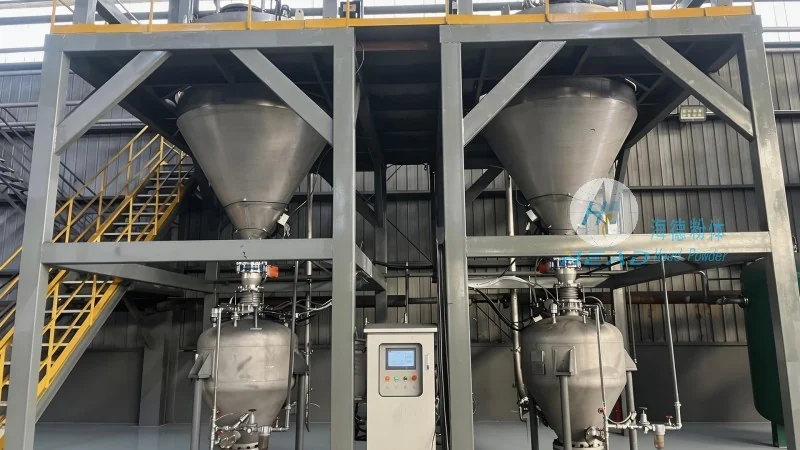
Dry flue gas desulfurization (FGD) ash, also known as gypsum or desulfurization byproduct, is a fine powder generated during the removal of sulfur dioxide from flue gases in thermal power plants. The efficient handling and transportation of this material are essential to ensure smooth operation and compliance with environmental regulations. Pneumatic conveying offers a reliable and effective solution for transporting FGD ash from the desulfurization unit to storage or disposal sites.
There are primarily two types of pneumatic conveying systems used for dry FGD ash: dilute-phase and dense-phase systems. Each type has distinct characteristics and is suitable for different operational conditions.
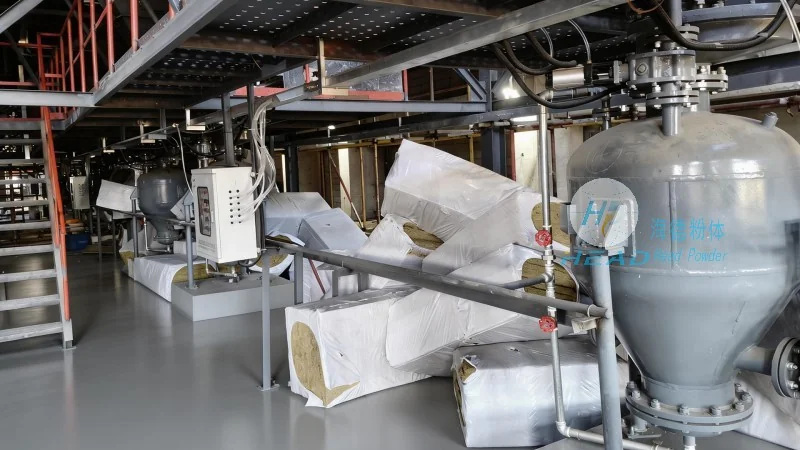
Dilute-Phase Pneumatic Conveying involves transporting the material in a low concentration of particles suspended in a high-velocity air stream. This method is ideal for short to medium distances and applications where the ash is relatively dry and free-flowing. The system typically uses positive pressure or negative pressure (vacuum) to move the material through a pipeline. Dilute-phase systems are known for their high throughput and ability to handle large volumes of material efficiently.
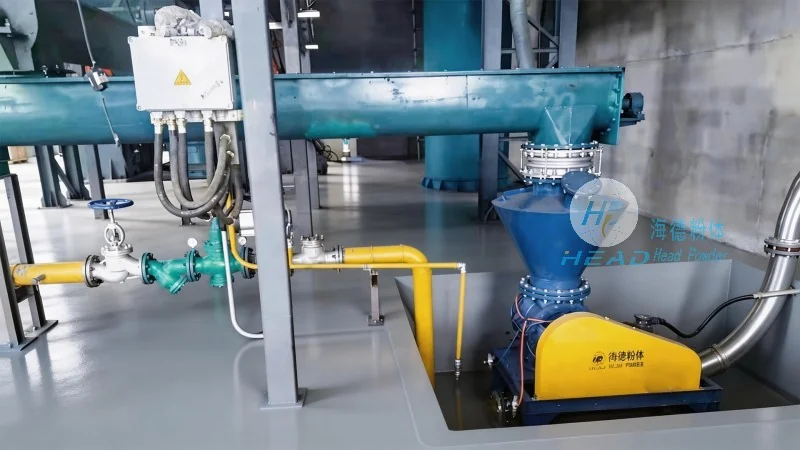
Dense-Phase Pneumatic Conveying operates by transporting the material in a high concentration of particles, often with a lower air velocity compared to dilute-phase systems. This method is suitable for longer distances and when the ash has a higher moisture content or is more cohesive. Dense-phase systems use a combination of pressure and vacuum to move the material, ensuring minimal degradation and better control over the conveying process. They are particularly effective for transporting ash to distant storage facilities or for integration with other processing units.
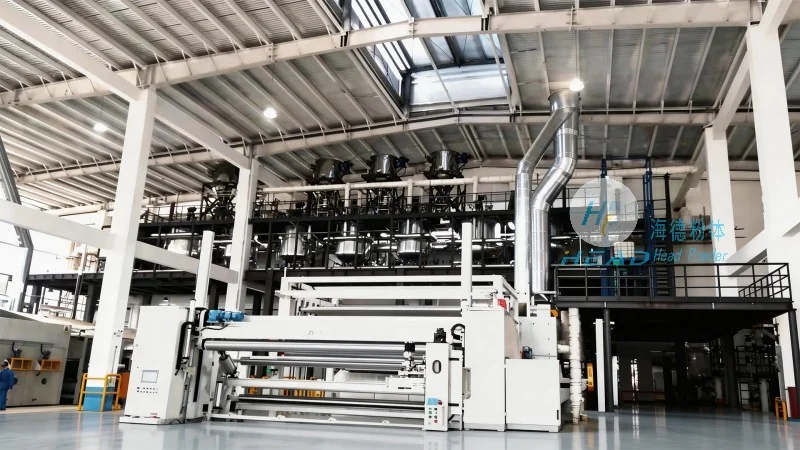
Pneumatic conveying systems for dry FGD ash offer several advantages that make them a preferred choice in industrial applications. These features include:
The applications of pneumatic conveying systems for dry FGD ash are diverse and critical to various industrial processes. Some of the key applications include:

 Shandong Headpowder Engineering Co., Ltd.
 156-6277-7102(Manager Zhang)
  0531-83386006
  Zhangqiu District, Jinan City, Shandong Province, China
telephone
WeChatconsult
top