With more than 10‑year industry experience, Shandong Headpowder delivers full‑service pneumatic‑conveying systems and blowers, undertaking nationwide turn‑key powder‑handling projects.
Pneumatic conveying systems have become a crucial technology in the modern handling and transportation of rice grain. These systems utilize air to move bulk materials like rice, offering advantages such as efficiency, cleanliness, and reduced labor costs. For agricultural operations dealing with rice, selecting the right type of pneumatic conveying system is essential to optimize processing and storage. This article explores the different types of pneumatic conveying systems commonly used in rice grain transport and their practical applications, providing insights into how these technologies enhance operational performance.
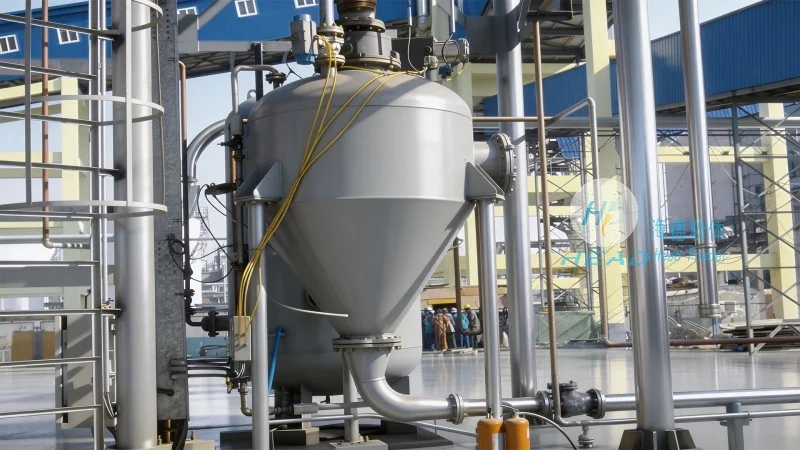
There are primarily two main categories of pneumatic conveying systems: suction (or vacuum) systems and pressure systems. Each type has distinct characteristics and is suitable for different operational scenarios in rice grain handling.
1. **Suction Pneumatic Conveying Systems**: These systems operate by creating a negative pressure (vacuum) to draw rice grain from a source, such as a storage bin or field, into a conveying line. The primary advantage of suction systems is their ability to handle materials from multiple points and transport them to a central collection point. They are particularly useful in applications where the rice grain needs to be moved from various locations, such as from different storage silos or from field to processing facilities. Suction systems are also known for their gentle handling of the grain, minimizing breakage and maintaining grain quality.
2. **Pressure Pneumatic Conveying Systems**: In contrast, pressure systems generate positive pressure to push rice grain through a conveying line. These systems are typically used for short to medium-distance transport, often from a processing plant to a storage facility or for loading trucks and containers. Pressure systems are more suitable for high-volume, continuous operations and can handle larger quantities of rice grain at a time. They are also effective in preventing dust and contamination during transport, as the system is sealed and pressurized.
The versatility of pneumatic conveying systems makes them applicable in various stages of rice grain processing and handling. Some key practical applications include:
1. **Storage and Handling in Grain Bins**: Pneumatic conveying systems are widely used to transfer rice grain from field storage bins to processing plants or for redistribution within a storage facility. This allows for efficient movement of large quantities of rice without the need for manual handling or heavy machinery, reducing the risk of damage to the grain.
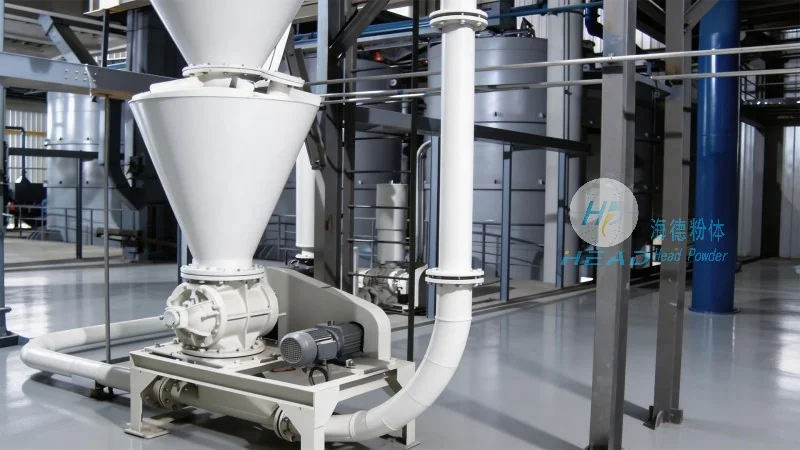
2. **Processing and Milling Operations**: During rice processing, pneumatic conveying is used to transport raw rice from cleaning and sorting stages to milling equipment. The systems ensure that the rice grain is moved in a controlled manner, maintaining its quality and preventing contamination. This is critical for producing high-quality milled rice suitable for consumer use.
3. **Loading and Unloading of Transportation Vehicles**: Pneumatic conveying systems are effective for loading trucks, containers, or ships with rice grain. By using a pressure system, rice can be directly transferred from storage silos into the transportation vehicle, streamlining the loading process and reducing the time required for manual loading.
4. **Quality Control and Sampling**: Pneumatic conveying systems can be integrated with sampling equipment to collect representative samples of rice grain for quality testing. This ensures that the rice meets the required standards before it is processed or sold, enhancing product quality and customer satisfaction.
Implementing pneumatic conveying systems in rice grain transport offers several benefits that contribute to improved operational efficiency and product quality. These benefits include:
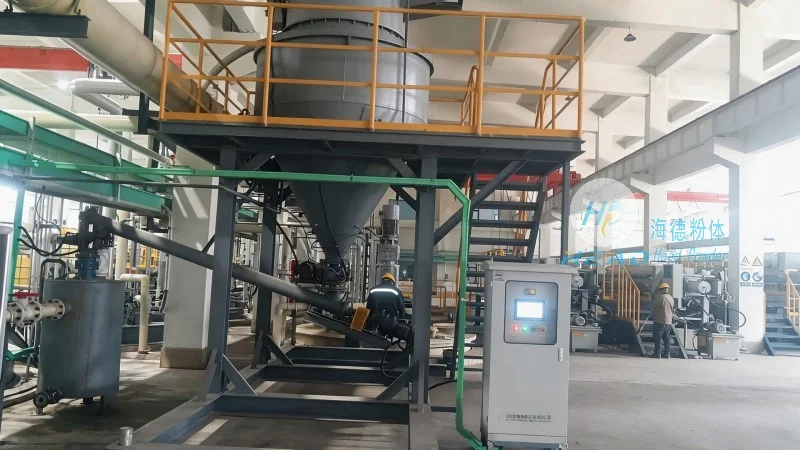
1. **Efficiency and Speed**: Pneumatic conveying systems can transport large volumes of rice grain quickly and efficiently, reducing the time required for material handling. This leads to faster processing times and increased productivity in rice processing facilities.
2. **Cleanliness and Hygiene**: The enclosed nature of pneumatic conveying systems prevents dust and contamination from entering the grain, maintaining its quality and safety. This is particularly important for rice, which is a food product and must meet strict hygiene standards.
3. **Reduced Labor Costs**: By automating the transport of rice grain, these systems reduce the need for manual labor, lowering labor costs and minimizing the risk of human error in handling the grain.
4. **Space Efficiency**: Pneumatic conveying systems are compact and can be installed in limited spaces, making them suitable for facilities with space constraints. They also eliminate the need for large conveyor belts or other bulky equipment, saving on space and installation costs.
Shandong HeadPowder Engineering Co., Ltd., operating under the brand name HeadPowder, is a leading manufacturer of pneumatic conveying systems and related equipment for the agricultural and food processing industries. With a focus on innovation and quality, HeadPowder provides customized solutions tailored to the specific needs of rice grain transport and processing. The company’s products are designed to meet the highest standards of efficiency, durability, and safety, ensuring reliable performance in demanding agricultural environments. HeadPowder’s commitment to customer satisfaction and technical excellence has made it a trusted partner for rice processing facilities worldwide.

 Shandong Headpowder Engineering Co., Ltd.
 156-6277-7102(Manager Zhang)
  0531-83386006
  Zhangqiu District, Jinan City, Shandong Province, China
telephone
WeChatconsult
top