

Yeast Powder Pneumatic Conveying Technology: Principles, Applications, and Development Trends
Yeast powder, a vital component in industries such as food, pharmaceuticals, and biotechnology, necessitates efficient and reliable handling for processing and transportation. Pneumatic conveying technology has become a preferred solution for transporting yeast powder due to its advantages in hygiene, speed, and minimal product contamination. This article examines the fundamental principles of pneumatic conveying, its practical applications in yeast powder handling, and the evolving trends in this technology.
Principles of Pneumatic Conveying for Yeast Powder
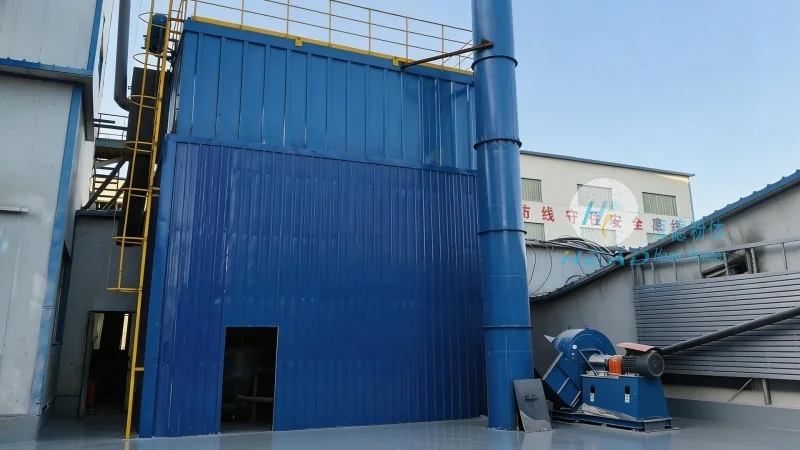
The core principle of pneumatic conveying involves using compressed air or other gases to transport solid materials like yeast powder through a pipeline system. There are two primary types of pneumatic conveying: dilute-phase and dense-phase. Dilute-phase systems utilize low air-to-solid ratios, typically moving materials at high velocities, while dense-phase systems employ higher air-to-solid ratios, allowing for slower, more controlled movement. For yeast powder, which is often sensitive to moisture and temperature changes, the choice of conveying method depends on factors like material characteristics, distance, and required product quality. The system typically includes components like a hopper, feeder, conveying line, and receiver, all designed to maintain the integrity of the yeast powder during transport.
Applications of Pneumatic Conveying in Yeast Powder Processing
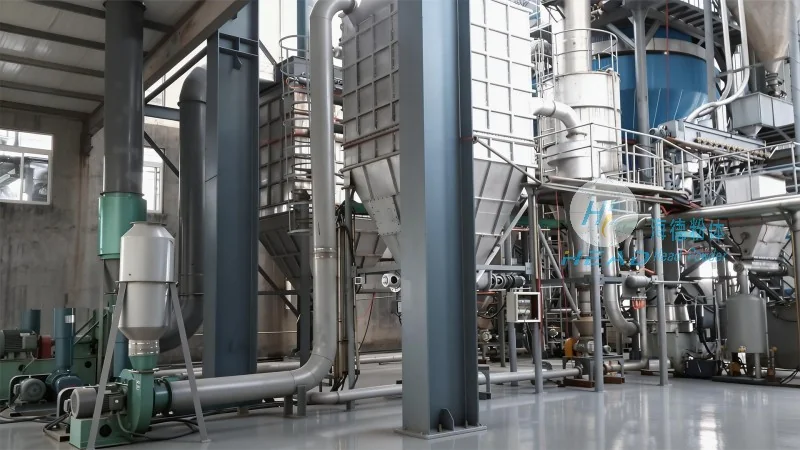
Yeast powder is widely utilized in the production of bread, beer, wine, and other fermented products. Pneumatic conveying systems are integrated into these processes to ensure seamless material transfer from storage silos to production lines. In food processing facilities, for example, a pneumatic conveyor can transport yeast powder from bulk storage to mixing equipment, maintaining consistent flow rates and preventing clogging. Similarly, in pharmaceutical and biotech applications, where yeast serves as a raw material for probiotics or enzymes, the hygienic design of pneumatic conveying systems is critical to avoid cross-contamination and preserve product purity. The technology also supports large-scale operations, enabling continuous production cycles with minimal downtime for material handling.
Key Advantages of Pneumatic Conveying for Yeast Powder
Compared to traditional mechanical conveying methods like belt or screw conveyors, pneumatic conveying offers several benefits for yeast powder handling. Firstly, it provides a closed system that protects the product from environmental contaminants, such as dust, moisture, and microbial exposure. This is particularly important for yeast powder, which can degrade or lose potency if exposed to air or moisture. Secondly, pneumatic conveying allows for precise control over material flow, ensuring consistent dosing and reducing waste. The technology also minimizes product degradation due to reduced friction and impact during transport. Additionally, the system can be easily integrated with other processing equipment, enhancing overall operational efficiency. For companies like Shandong HeadPowder Engineering Co., Ltd., which specializes in engineering solutions for material handling, pneumatic conveying systems are a key part of their product portfolio, tailored to meet the specific needs of yeast powder manufacturers.
Technological Developments and Future Trends
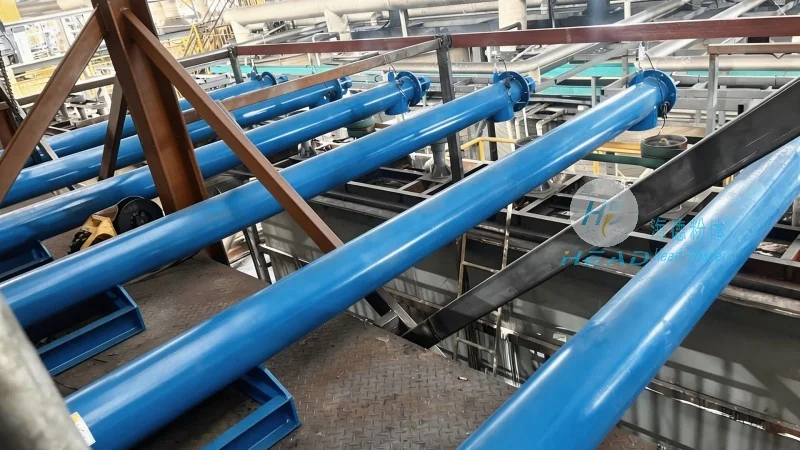
As the demand for efficient and sustainable material handling solutions grows, advancements in pneumatic conveying technology continue to improve. Modern systems now incorporate advanced controls, such as variable frequency drives, to optimize air consumption and energy efficiency. Sensors and monitoring systems are also integrated to provide real-time data on material flow, pressure, and temperature, enabling proactive maintenance and preventing system failures. Another trend is the development of hybrid conveying systems that combine pneumatic and mechanical methods to address specific challenges, such as long-distance transport or high material density. Additionally, research is focused on improving the hygienic design of conveying equipment to meet stringent regulatory requirements in the food and pharmaceutical industries. These developments are expected to enhance the reliability and performance of pneumatic conveying systems for yeast powder, supporting the growth of industries that rely on this essential ingredient.