With more than 10‑year industry experience, Shandong Headpowder delivers full‑service pneumatic‑conveying systems and blowers, undertaking nationwide turn‑key powder‑handling projects.
HeadPowder, a leading engineering firm based in Shandong, China, specializes in the design and implementation of advanced pneumatic conveying systems tailored for efficient husk transport. This article explores the various types of pneumatic conveying systems and their practical applications in handling husk materials, highlighting the technical advantages and operational benefits they offer.
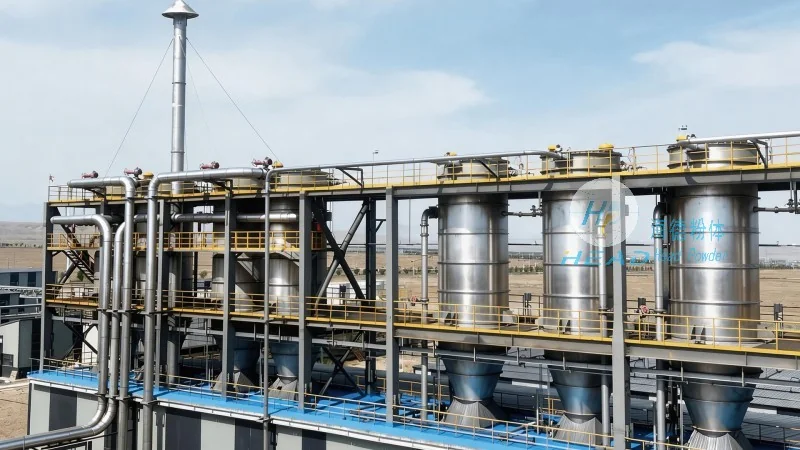
Pneumatic conveying systems utilize air or gas to transport bulk materials like husk through a pipeline network. These systems are widely adopted in agricultural and industrial settings due to their ability to handle abrasive and lightweight materials efficiently. The core principle involves creating a pressure differential to move the material from the source to the destination, ensuring minimal product degradation and reduced labor costs compared to traditional methods like bucket elevators or belt conveyors.
There are primarily two types of pneumatic conveying systems used for husk transport: pressure and vacuum systems. Each type has distinct characteristics and is suitable for different operational scenarios.
Pressure systems operate by forcing air or gas into the conveying line under positive pressure. This method is ideal for applications requiring high material throughput and long-distance transport. The system typically includes a blower or compressor at the discharge end, which pushes the material through the pipeline. Pressure systems are particularly effective for transporting husk from storage silos to processing units or for bulk material handling in large-scale agricultural operations.

Vacuum systems, on the other hand, create a negative pressure at the intake point to draw the material into the pipeline. These systems are commonly used for short to medium-distance transport and are well-suited for handling materials that are prone to dust or require gentle handling. Vacuum systems are often preferred in applications where the material needs to be collected from multiple points or where the source is at a lower elevation than the destination.
HeadPowder's pneumatic conveying solutions are applied in various stages of husk processing, from collection and storage to transportation and processing. The systems are designed to optimize the entire workflow, ensuring seamless integration with existing agricultural infrastructure.
In agricultural settings, pneumatic conveying systems are used to collect husk from harvested crops and transport it to storage silos. The systems can be equipped with intake hoppers and flexible hoses to gather husk from different parts of the field, reducing the need for manual handling and minimizing material loss. The positive pressure systems are often preferred for this stage due to their ability to handle large volumes of material efficiently.
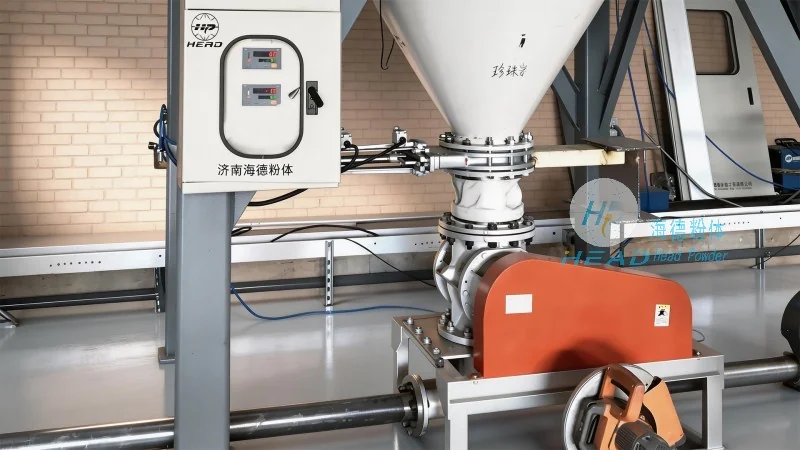
During the processing phase, pneumatic conveying systems facilitate the transfer of husk between different processing units, such as dehullers, cleaners, and dryers. The systems ensure that the material is transported without contamination and with minimal degradation, maintaining the quality of the husk for further processing or sale. The vacuum systems are particularly useful in this stage when handling fine husk particles that require gentle transport to avoid clogging or damage.
Pneumatic conveying systems also play a crucial role in husk waste management and recycling processes. They can efficiently collect and transport husk waste from processing facilities to recycling centers or disposal sites. The systems help in reducing the environmental impact by ensuring that the waste is handled in an organized manner, minimizing the risk of dust emissions and improving overall operational efficiency.
Implementing pneumatic conveying systems for husk transport offers several technical advantages and operational benefits that contribute to improved productivity and cost-effectiveness.
Pneumatic conveying systems are capable of handling high material throughput rates, often exceeding the capacity of traditional conveyor systems. This efficiency is particularly valuable in large-scale agricultural operations where large volumes of husk need to be processed and transported in a short period. The systems can be customized to meet specific throughput requirements, ensuring that the operational needs of the facility are met.
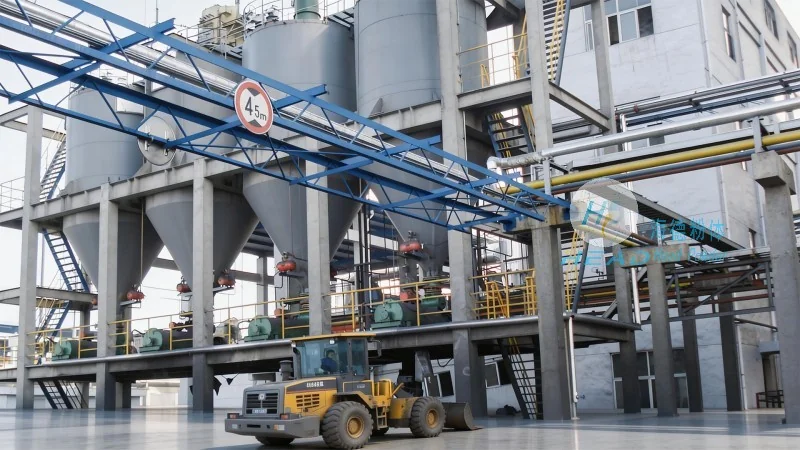
By automating the husk transport process, pneumatic conveying systems reduce the need for manual labor, thereby lowering labor costs and minimizing the risk of workplace injuries. Additionally, these systems are designed with durable components that require minimal maintenance, reducing long-term operational expenses. The use of high-quality materials and advanced engineering ensures that the systems have a long service life, further enhancing their cost-effectiveness.
One of the key benefits of pneumatic conveying systems is their ability to preserve the quality of the husk during transport. Unlike mechanical conveyors that may cause abrasion or damage to the material, pneumatic systems use air to move the husk, minimizing physical contact and reducing the risk of contamination. This is particularly important for husk intended for animal feed or further processing, where maintaining the nutritional value and quality is critical.
HeadPowder's pneumatic conveying systems represent a sophisticated solution for efficient husk transport, offering a range of types and applications tailored to the specific needs of agricultural and industrial operations. By leveraging the advantages of pressure and vacuum systems, these solutions enhance operational efficiency, reduce costs, and preserve product quality. As a trusted engineering partner based in Shandong, China, HeadPowder continues to innovate and provide customized pneumatic conveying systems that meet the evolving demands of the husk processing industry.

 Shandong Headpowder Engineering Co., Ltd.
 156-6277-7102(Manager Zhang)
  0531-83386006
  Zhangqiu District, Jinan City, Shandong Province, China
telephone
WeChatconsult
top