With more than 10‑year industry experience, Shandong Headpowder delivers full‑service pneumatic‑conveying systems and blowers, undertaking nationwide turn‑key powder‑handling projects.
Pneumatic conveying is a critical technology in the handling and transportation of bulk materials, including bentonite powder—a widely used industrial product. The choice between positive pressure and negative pressure systems significantly impacts operational efficiency, material integrity, and overall system cost. This analysis provides a detailed comparison of these two primary pneumatic conveying methods, focusing on their applications, advantages, and limitations as applied to bentonite powder.
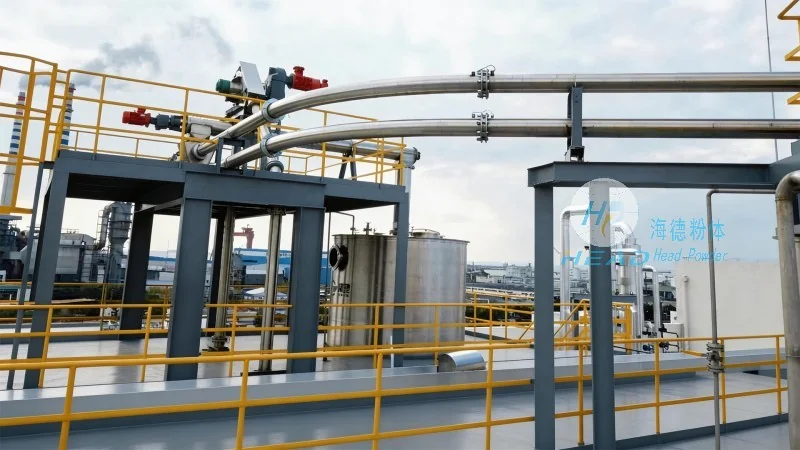
Positive pressure conveying systems operate by forcing air or gas through the material to be transported. In this method, a positive pressure is maintained within the conveying line, ensuring that the material is continuously pushed from the source to the destination. For bentonite powder, this approach is often preferred when the material needs to be conveyed over long distances or through complex piping networks. The system typically includes a blower or compressor at the inlet, which generates the necessary pressure to move the powder. As the material is drawn into the air stream, it is carried through the pipeline to the discharge point. This method is particularly effective for handling fine powders like bentonite, as it minimizes the risk of particle degradation and clogging.
One of the primary benefits of positive pressure systems is their ability to handle long conveying distances without significant pressure loss. This makes them suitable for industrial applications where the material must be transported from a production facility to a processing plant or storage area located far from the source. Additionally, positive pressure conveying reduces the risk of material degradation due to the controlled air flow, which is crucial for maintaining the quality of bentonite powder, which is often used in applications requiring specific particle size and moisture content. The system also offers better control over the flow rate and pressure, allowing for precise regulation of the material's movement. Furthermore, positive pressure systems are generally more resistant to blockages caused by moisture or agglomerates, as the high pressure helps to break down any potential clogs.
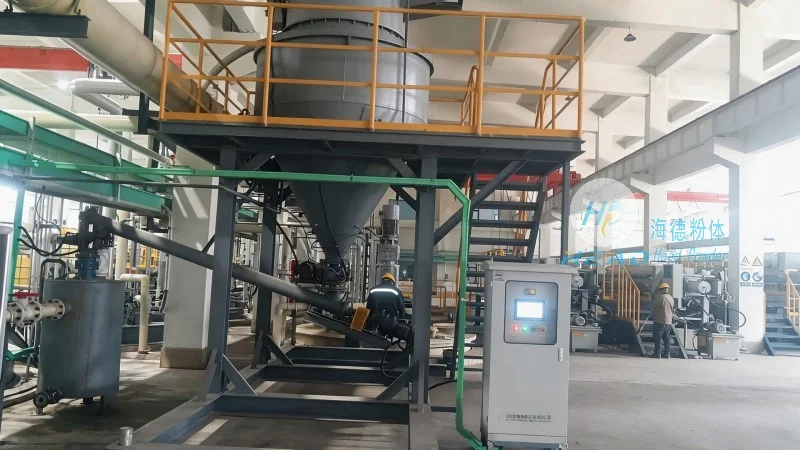
Negative pressure conveying, also known as vacuum or suction conveying, operates by creating a vacuum at the discharge end of the system. This vacuum draws the material into the conveying line, where it is then transported to the collection point. Unlike positive pressure systems, negative pressure systems do not require a high-pressure blower at the inlet; instead, they rely on a vacuum pump to create the suction force. For bentonite powder, negative pressure conveying is often used for shorter distances or when the material needs to be collected from multiple points and transported to a central location. The system typically includes a vacuum pump at the discharge end, which pulls the material through the pipeline. This method is particularly effective for handling materials that are prone to dust or require a more gentle handling process.
A significant advantage of negative pressure systems is their ability to handle materials from multiple sources or collection points. This makes them ideal for applications where bentonite powder is generated at various locations within a facility and needs to be consolidated into a single storage or processing area. The suction mechanism allows for the collection of material from hoppers, silos, or other containers without the need for additional equipment at each source. Additionally, negative pressure conveying is generally more energy-efficient for short to medium distances, as the vacuum pump operates at lower pressures compared to the high-pressure blowers used in positive pressure systems. This can result in lower operational costs, especially for facilities with multiple collection points. Furthermore, negative pressure systems are less likely to cause dust emissions at the source, as the material is drawn into the system rather than being expelled. This is particularly important for handling fine powders like bentonite, which can be a respiratory hazard if not properly contained.
When comparing positive and negative pressure conveying for bentonite powder, several factors must be considered, including the distance of the conveying line, the number of collection points, the material's properties, and the overall system cost. Positive pressure systems are generally more suitable for long-distance or high-volume applications, as they can maintain consistent pressure and flow rates over extended lengths. They are also better equipped to handle abrasive or moisture-sensitive materials, as the high pressure helps to prevent particle degradation. On the other hand, negative pressure systems excel in applications requiring multiple collection points or shorter distances, as they are more energy-efficient and less likely to cause dust emissions at the source. The choice between the two methods also depends on the specific requirements of the bentonite powder, such as its particle size distribution, moisture content, and the need for precise control over the conveying process.
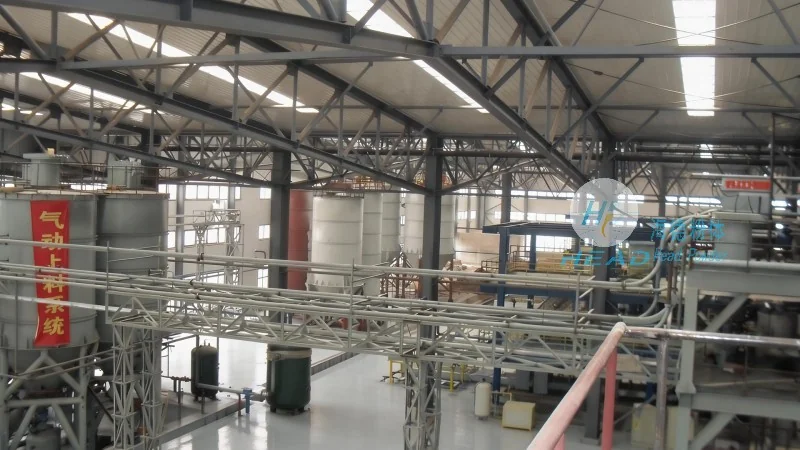
Both positive and negative pressure conveying methods are widely used in the handling of bentonite powder across various industries. For example, in the oil and gas sector, bentonite is used as a drilling fluid additive, and positive pressure systems are often employed to transport it from storage silos to the drilling site over long distances. In contrast, in the paper and ceramics industries, where bentonite is used as a filler or binder, negative pressure systems may be preferred to collect material from multiple production lines and transport it to a central mixing facility. The choice of system also depends on the facility's layout and the need for flexibility in material handling. Some industrial facilities may even use a combination of both systems, integrating positive pressure for long-distance transport and negative pressure for local collection and transfer.
In conclusion, the selection between positive and negative pressure conveying for bentonite powder depends on a careful evaluation of operational requirements, material properties, and cost considerations. Positive pressure systems offer superior performance for long-distance, high-volume applications, while negative pressure systems provide advantages in terms of energy efficiency and local collection. For optimal results, it is recommended to conduct a thorough analysis of the specific application, including the distance of the conveying line, the number of collection points, and the material's characteristics. Consulting with industry experts, such as Shandong HeadPowder Engineering Co., Ltd., can provide valuable insights into the most suitable conveying method for a particular bentonite powder handling scenario. By selecting the appropriate pneumatic conveying system, industrial facilities can enhance operational efficiency, maintain material quality, and reduce overall handling costs.

 Shandong Headpowder Engineering Co., Ltd.
 156-6277-7102(Manager Zhang)
  0531-83386006
  Zhangqiu District, Jinan City, Shandong Province, China
telephone
WeChatconsult
top