With more than 10‑year industry experience, Shandong Headpowder delivers full‑service pneumatic‑conveying systems and blowers, undertaking nationwide turn‑key powder‑handling projects.
HeadPowder, a leading provider of engineering solutions, specializes in the design and implementation of pneumatic conveying systems for bulk materials like limestone and gypsum. In industrial applications, efficient material transport is crucial for maintaining production efficiency and reducing operational costs. Pneumatic conveying offers a non-contact method to move these materials, and two primary methods are widely used: positive pressure and negative pressure systems. This analysis compares these two approaches to help industries select the most suitable solution for their specific needs.
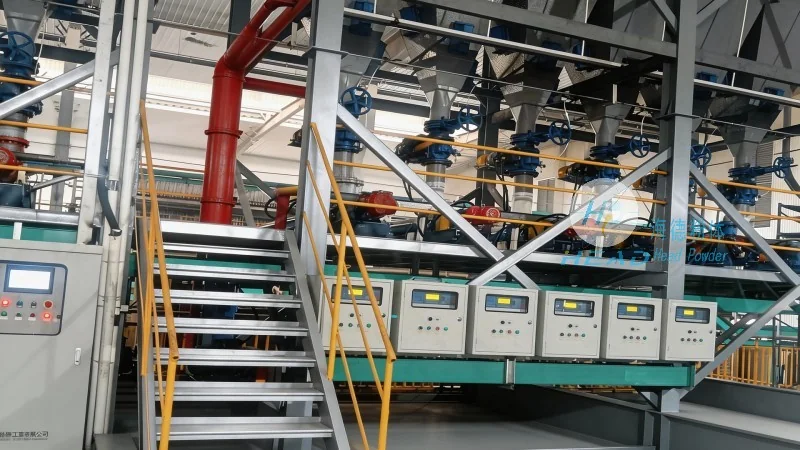
Positive pressure conveying operates by blowing air or a carrier gas into the material stream, creating a pressure higher than the ambient environment. This method is commonly used for transporting limestone and gypsum over short to medium distances. The system typically includes a blower or compressor that generates the necessary pressure to move the material through a pipeline. One of the key advantages of positive pressure systems is their ability to handle abrasive materials without significant wear on the equipment. Additionally, they can transport materials from multiple sources to a single destination, making them versatile for complex layouts. However, these systems require careful maintenance of the air filtration system to prevent dust accumulation and ensure compliance with environmental regulations. The pressure differentials also mean that the system can be more energy-intensive compared to negative pressure systems, especially for longer distances.
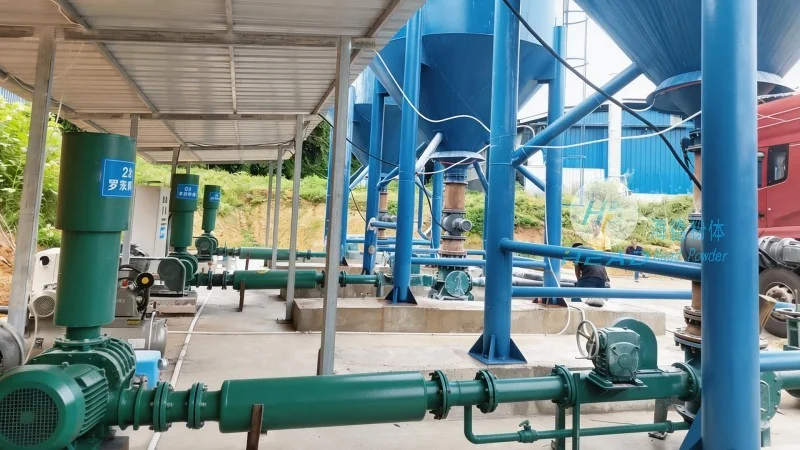
Negative pressure conveying, also known as vacuum conveying, works by creating a vacuum in the material line, drawing the material from the source into the system. This method is often preferred for applications requiring material to be transported from a higher elevation to a lower one or over longer distances. The system uses a vacuum pump to create the suction force, which pulls the material through the pipeline. A significant benefit of negative pressure systems is their lower energy consumption for long-distance transport, as the vacuum pump operates at a lower pressure than the blower in positive systems. They are also more suitable for handling fine powders, as the vacuum helps to maintain material integrity and prevent clogging. However, negative pressure systems are more prone to issues with dust and particulate matter entering the vacuum pump, which can lead to increased maintenance and potential equipment damage. The system's design also needs to account for the risk of backflow, where air can enter the material line if the vacuum is lost, potentially contaminating the material.
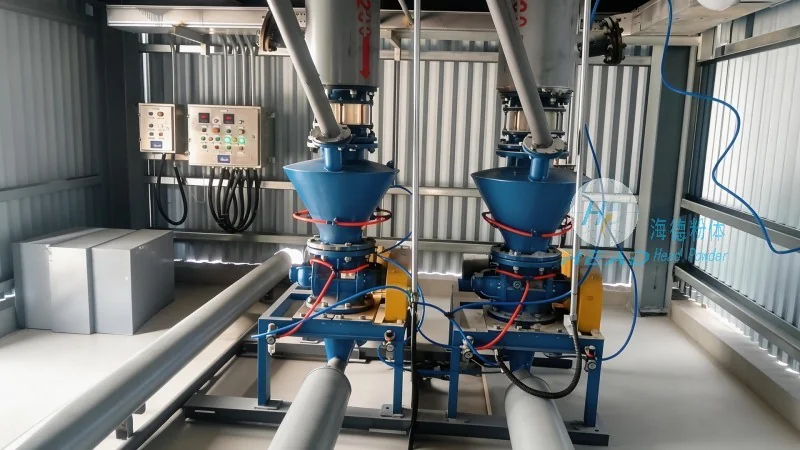
When choosing between positive and negative pressure conveying for limestone and gypsum, several factors must be evaluated. The first is the distance and elevation change between the source and destination. Positive pressure is generally more efficient for short distances and when the material needs to be moved to a higher elevation. Negative pressure excels in long-distance and downhill applications. Another critical factor is the material's properties, such as particle size, moisture content, and abrasiveness. Fine, dry powders are better suited for negative pressure due to the vacuum's ability to maintain flow. Conversely, abrasive materials may benefit from the higher pressure in positive systems to prevent blockages. Environmental considerations also play a role. Positive pressure systems require robust filtration to comply with air quality standards, while negative pressure systems need careful sealing to prevent dust emissions. Cost is another key consideration. Initial setup costs for positive pressure systems are often lower due to simpler components, but ongoing energy costs may be higher. Negative pressure systems may have higher initial costs due to the vacuum pump, but lower energy consumption over time.
HeadPowder has successfully implemented both positive and negative pressure conveying systems for various clients. For instance, a cement plant in Shandong, China, used a positive pressure system to transport limestone from a quarry to the production facility, covering a distance of 500 meters. The system efficiently handled the abrasive limestone, with minimal wear on the pipeline and components. Another client, a gypsum processing plant, opted for a negative pressure system to move fine gypsum powder from a storage silo to a processing unit over a distance of 1.5 kilometers. The vacuum system maintained the material's flow without clogging, and the lower energy consumption reduced operational costs. These case studies highlight the importance of matching the system type to the specific application requirements to achieve optimal performance and cost-effectiveness.
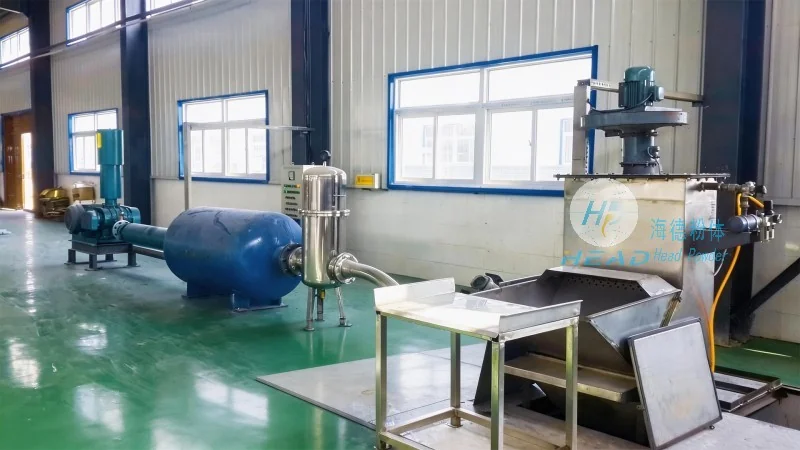
Both positive and negative pressure pneumatic conveying systems offer effective solutions for transporting limestone and gypsum, but the choice depends on the specific operational conditions and material characteristics. Positive pressure systems are ideal for short distances, high elevation changes, and abrasive materials, while negative pressure systems are better suited for long distances, fine powders, and applications requiring lower energy consumption. HeadPowder provides comprehensive engineering services, including system design, installation, and maintenance, to help industries select and implement the most appropriate pneumatic conveying solution. By considering factors such as distance, material properties, and environmental regulations, companies can optimize their material transport processes and enhance overall operational efficiency.

 Shandong Headpowder Engineering Co., Ltd.
 156-6277-7102(Manager Zhang)
  0531-83386006
  Zhangqiu District, Jinan City, Shandong Province, China
telephone
WeChatconsult
top