With more than 10‑year industry experience, Shandong Headpowder delivers full‑service pneumatic‑conveying systems and blowers, undertaking nationwide turn‑key powder‑handling projects.
Organosilicon powder material handling is a specialized field within industrial processing that focuses on the efficient and safe movement of organosilicon powders. This type of material, often used in various manufacturing processes, requires specific handling techniques to ensure optimal performance and safety. Understanding the design principles behind organosilicon powder handling systems is crucial for industries that rely on these materials for their production needs.
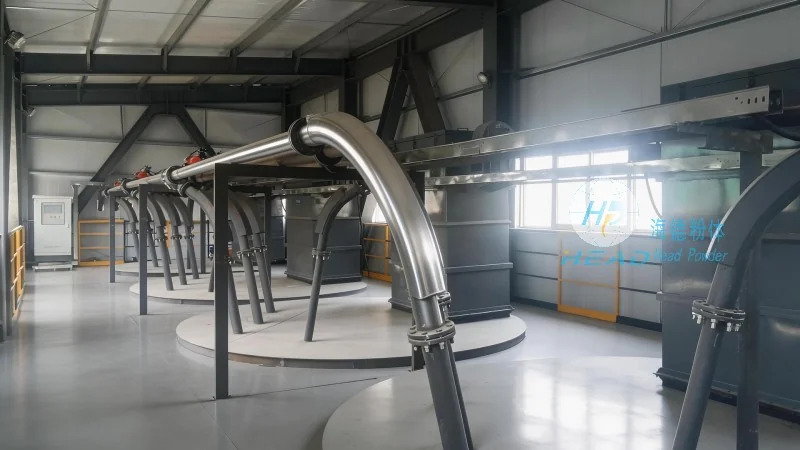
Organosilicon powders are a category of fine powders derived from silicon-based compounds, commonly used in applications such as coatings, adhesives, and specialty chemicals. These powders possess unique properties, including high purity, specific particle size distributions, and sometimes hygroscopic or reactive characteristics. Due to these properties, handling organosilicon powders demands careful consideration of material flow, dust control, and equipment compatibility. The design of material handling systems must account for the potential for caking, agglomeration, or static charge buildup, which can impede flow and compromise product quality.
The design of effective organosilicon powder handling systems is guided by several fundamental principles aimed at ensuring reliability, efficiency, and safety. First, the system must prioritize containment and dust control to prevent environmental contamination and protect personnel. This often involves the use of sealed equipment, dust collection systems, and proper ventilation. Second, the design must address the unique flow characteristics of organosilicon powders. Many of these powders exhibit cohesive or bridging behavior, which can lead to blockages in hoppers, chutes, and conveyor systems. To mitigate this, engineers may incorporate features such as vibrators, air knives, or fluidization systems to maintain consistent flow. Third, the system must consider the potential for static charge accumulation, as fine powders can generate static electricity. Proper grounding and anti-static measures are essential to prevent sparks and ensure safe operation. Fourth, the design should incorporate material compatibility and corrosion resistance, as organosilicon powders may be corrosive or reactive with certain materials. Stainless steel or specialized coatings are commonly used to protect equipment from wear and degradation.
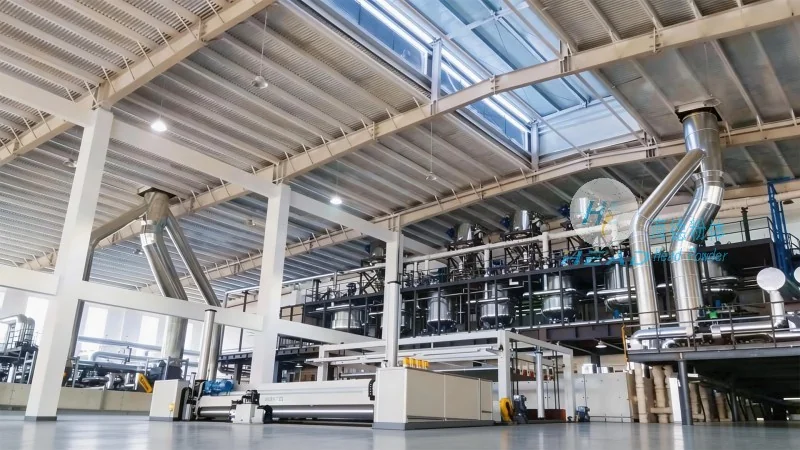
An organosilicon powder handling system typically consists of several interconnected components, each playing a critical role in the overall process. The primary components include feeders, hoppers, conveyors, and storage vessels. Feeders, such as rotary or vibratory types, are used to control the flow of powder from the storage hopper to the processing equipment. Hoppers are designed to store and condition the powder, often with internal liners or coatings to prevent sticking. Conveyors, including pneumatic or mechanical types, transport the powder from one location to another, ensuring smooth and continuous movement. Storage vessels may include silos or bulk containers, providing a buffer for material supply and reducing the frequency of manual refills. Each component must be carefully selected and integrated to ensure seamless operation and minimal downtime.
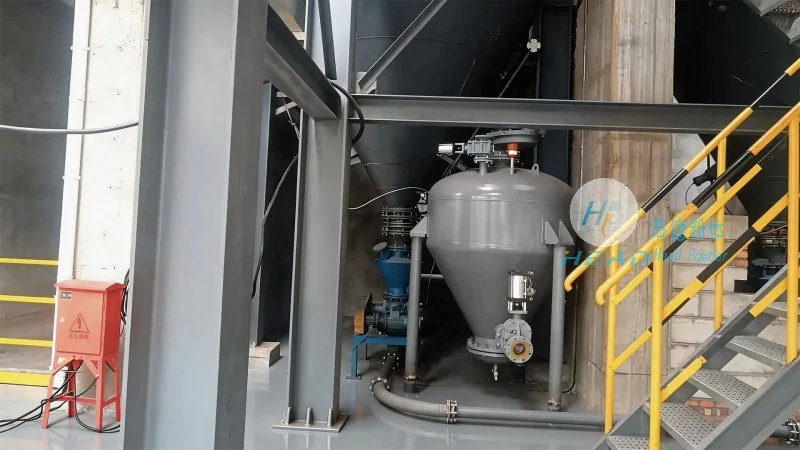
Organosilicon powder handling systems are widely used across various industries that rely on these materials. In the coatings industry, for example, organosilicon powders are used to enhance the performance of paints and varnishes, requiring precise handling to maintain particle size and distribution. The adhesive and sealant industry also utilizes organosilicon powders for high-performance applications, where consistent material flow is essential for product quality. Additionally, the electronics and aerospace sectors may use these powders in specialized coatings or adhesives, demanding strict control over handling to prevent contamination or degradation. By implementing effective handling systems, these industries can ensure the reliability and consistency of their products, ultimately enhancing their market competitiveness.
Organosilicon powder material handling is a complex process that requires a deep understanding of material properties and engineering principles. The design of efficient and safe handling systems is critical for industries that depend on these materials. By adhering to the key design principles outlined above—such as containment, flow control, static management, and material compatibility—companies can optimize their operations and minimize risks. For businesses seeking to enhance their organosilicon powder handling capabilities, partnering with experienced engineering firms like Shandong HeadPowder Engineering Co., Ltd. can provide the expertise and solutions needed to achieve reliable and efficient material movement. With a focus on tailored solutions and adherence to industry standards, companies can ensure that their organosilicon powder handling systems meet the highest performance and safety requirements.

 Shandong Headpowder Engineering Co., Ltd.
 156-6277-7102(Manager Zhang)
  0531-83386006
  Zhangqiu District, Jinan City, Shandong Province, China
telephone
WeChatconsult
top