With more than 10‑year industry experience, Shandong Headpowder delivers full‑service pneumatic‑conveying systems and blowers, undertaking nationwide turn‑key powder‑handling projects.
HeadPowder Engineering Co., Ltd., a leading provider of specialized material handling solutions, specializes in the design and implementation of advanced pneumatic conveying systems. In the lithium industry, efficient and reliable material transport is crucial for optimizing production processes and ensuring product quality. This article provides a detailed comparison of positive pressure and negative pressure conveying methods, focusing on their applications in lithium carbonate handling.
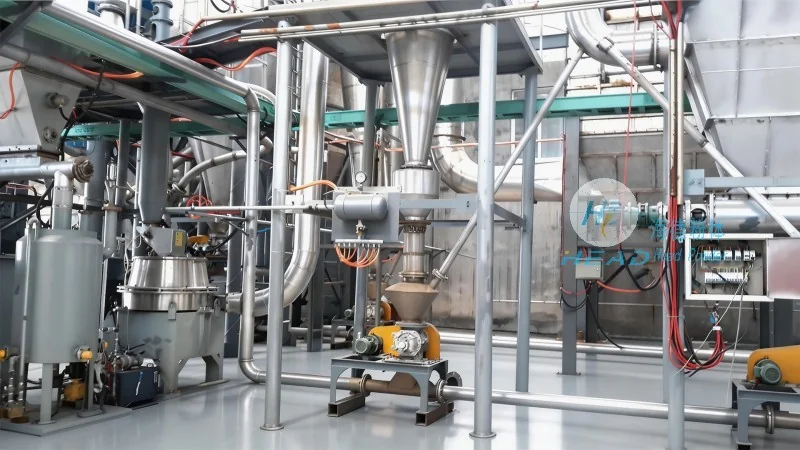
Lithium carbonate is a critical raw material in the production of lithium-ion batteries, which are integral to modern energy storage and electronics. The handling of this fine powder requires specialized equipment to prevent product degradation, contamination, and operational inefficiencies. Pneumatic conveying systems offer a non-contact method for transporting powders, gases, and granules, making them ideal for lithium carbonate, which is sensitive to moisture and mechanical stress. Two primary methods dominate the industry: positive pressure and negative pressure conveying. Understanding the nuances of each system is essential for selecting the most suitable solution for specific operational requirements.
Positive pressure conveying, also known as pressure pneumatic conveying, operates by forcing air or a carrier gas through a pipeline under pressure. This method is particularly effective for transporting materials over long distances or through complex system layouts. The primary advantage of positive pressure systems is their ability to handle a wide range of materials, including abrasive or corrosive powders, without causing product degradation. For lithium carbonate, which is often mixed with other chemicals or additives, positive pressure systems can maintain product integrity by minimizing exposure to external contaminants. Additionally, these systems are generally more energy-efficient for long-distance transport, as the pressure differential can be optimized to reduce power consumption. HeadPowder Engineering has extensive experience in designing positive pressure conveying systems tailored to the unique characteristics of lithium carbonate, ensuring reliable and consistent material transport in industrial settings.
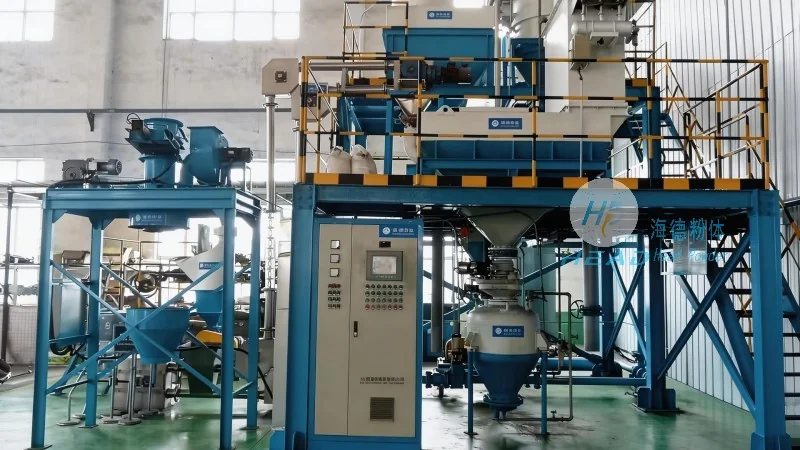
Negative pressure conveying, or vacuum pneumatic conveying, operates by creating a vacuum in the pipeline to draw material from the source. This method is well-suited for short to medium-distance transport and is often used in applications where the material is to be collected from a single point or transferred to a central processing unit. The key advantage of negative pressure systems is their ability to handle fine powders without the need for high-pressure air, reducing the risk of product degradation due to excessive air velocity. For lithium carbonate, which is prone to caking or agglomeration, negative pressure systems can maintain particle size distribution and prevent blockages in the pipeline. However, these systems may require more frequent maintenance to prevent dust accumulation and ensure consistent vacuum levels. HeadPowder Engineering specializes in the design of negative pressure conveying systems that balance efficiency with the need for gentle material handling, ensuring optimal performance in lithium carbonate processing facilities.
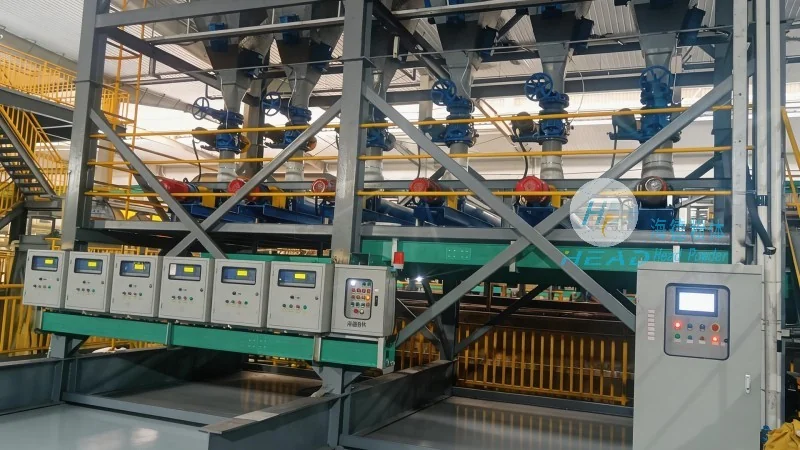
When comparing positive and negative pressure conveying for lithium carbonate, several factors must be considered to determine the most effective system. The primary difference lies in the pressure differential and the direction of material flow. Positive pressure systems use higher air pressure to push material, while negative pressure systems rely on vacuum to pull material. This affects the system's capacity, energy consumption, and suitability for different distances and material properties. Performance metrics such as conveying velocity, pressure drop, and material flow rate are critical in evaluating system efficiency. For example, positive pressure systems typically achieve higher conveying velocities, making them ideal for long-distance transport, whereas negative pressure systems are more suitable for short-distance, low-volume applications. The choice between the two methods also depends on the specific characteristics of the lithium carbonate, including particle size, moisture content, and bulk density. HeadPowder Engineering conducts thorough analyses of these factors to recommend the most appropriate conveying method for each client's operational needs.
As a trusted partner in the material handling industry, HeadPowder Engineering Co., Ltd. leverages its expertise in both positive and negative pressure conveying to deliver customized solutions for lithium carbonate processing. The company's engineers work closely with clients to assess their specific requirements, including production volume, system layout, and material characteristics. By combining advanced engineering principles with practical industry experience, HeadPowder provides tailored conveying systems that enhance operational efficiency, reduce downtime, and ensure product quality. The company's commitment to innovation and quality is reflected in its state-of-the-art equipment and rigorous testing protocols, ensuring that each system meets the highest standards of performance and reliability. Whether implementing a positive pressure or negative pressure conveying system, clients can rely on HeadPowder Engineering to deliver solutions that meet their unique needs and contribute to the success of their lithium carbonate operations.

 Shandong Headpowder Engineering Co., Ltd.
 156-6277-7102(Manager Zhang)
  0531-83386006
  Zhangqiu District, Jinan City, Shandong Province, China
telephone
WeChatconsult
top