

What is a glass fiber cellulose material pneumatic conveying line? What are its design principles?
For industrial applications involving the handling of glass fiber cellulose materials, efficient and reliable material transport is crucial. A pneumatic conveying line, specifically designed for such materials, offers a solution that combines performance with durability. This article explores the concept of a glass fiber cellulose material pneumatic conveying line and delves into its fundamental design principles, providing insights into how such systems are engineered to meet the demands of modern processing industries, as developed by Shandong HeadPowder Engineering Co., Ltd., a leading manufacturer based in China.
Understanding Glass Fiber Cellulose Materials and Their Handling Requirements
Glass fiber cellulose is a composite material commonly used in various industries, including construction, automotive, and manufacturing. It consists of cellulose fibers reinforced with glass fibers, which enhances its strength and thermal resistance. Due to its fibrous nature and potential for dust generation, handling this material requires specialized equipment that can manage its unique properties without causing degradation or operational issues. The primary challenge in material handling is ensuring that the material is transported smoothly while maintaining its integrity and preventing blockages or clogging in the conveying system.
The Core Components of a Pneumatic Conveying Line for Glass Fiber Cellulose
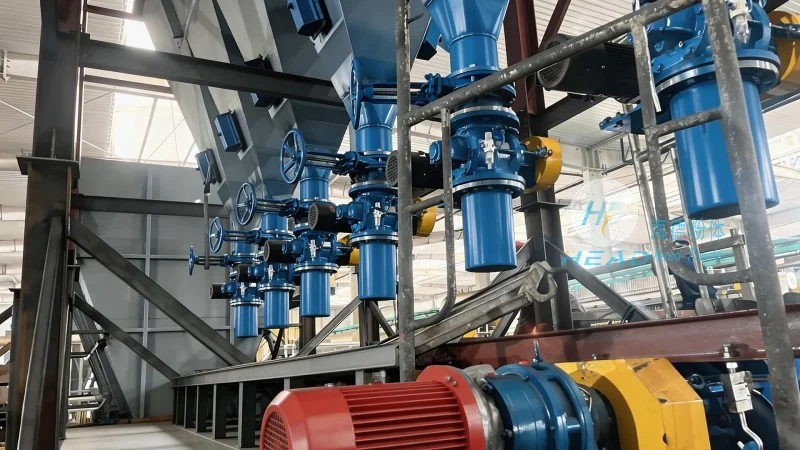
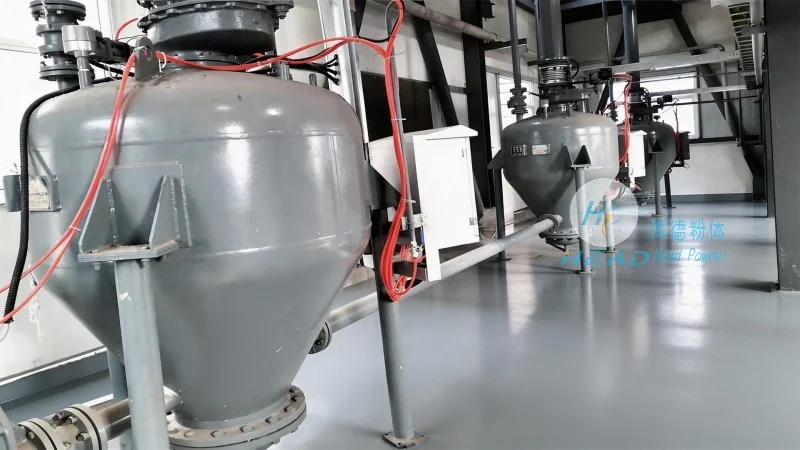
A pneumatic conveying line for glass fiber cellulose typically comprises several key components that work in tandem to achieve efficient material transport. These components include the hopper or feed hopper, which stores and feeds the material into the system; the conveyor itself, which may use positive or negative pressure to move the material; and the collection or discharge hopper, where the material is deposited. Additionally, the system may incorporate features such as rotary valves, airlocks, and filters to control the flow and prevent dust emissions. Each component is carefully selected and designed to accommodate the fibrous and abrasive characteristics of glass fiber cellulose, ensuring long-term operational reliability.
Design Principles for Efficient Pneumatic Conveying of Glass Fiber Cellulose
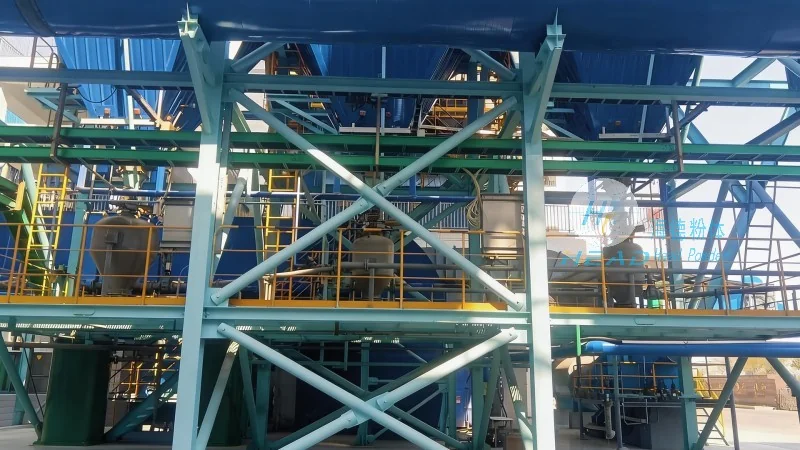
The design of a glass fiber cellulose pneumatic conveying line is guided by several critical principles aimed at optimizing performance and minimizing operational challenges. One of the primary principles is the selection of appropriate air velocity and pressure. The air velocity must be sufficient to lift and transport the material particles without causing excessive wear on the system components or leading to material degradation. Similarly, the pressure levels are carefully calibrated to maintain a consistent flow rate while preventing the buildup of pressure that could lead to system failures. Another key principle is the use of smooth, non-abrasive surfaces in the conveyor piping and components. This reduces friction and wear, which is essential for handling the abrasive nature of glass fiber cellulose. The system also incorporates features like pulse-jet cleaning and dust collection systems to maintain air quality and prevent material accumulation in the conveying lines.
Material Flow Control and System Integration
Effective material flow control is a critical aspect of the design and operation of a glass fiber cellulose pneumatic conveying line. This involves the use of rotary airlocks and feeders that regulate the material discharge rate from the hopper into the conveyor. The airlock ensures that the material is fed at a consistent rate, preventing overloading or underloading of the system. Integration with other processing equipment, such as mixers or extruders, is also a key consideration. The conveying line must be designed to interface seamlessly with downstream processes, ensuring that the material is delivered in the correct quantity and condition. This integration requires careful coordination of flow rates, pressure, and material characteristics to avoid disruptions in the overall production process.
Advantages of Using a Pneumatic Conveying System for Glass Fiber Cellulose
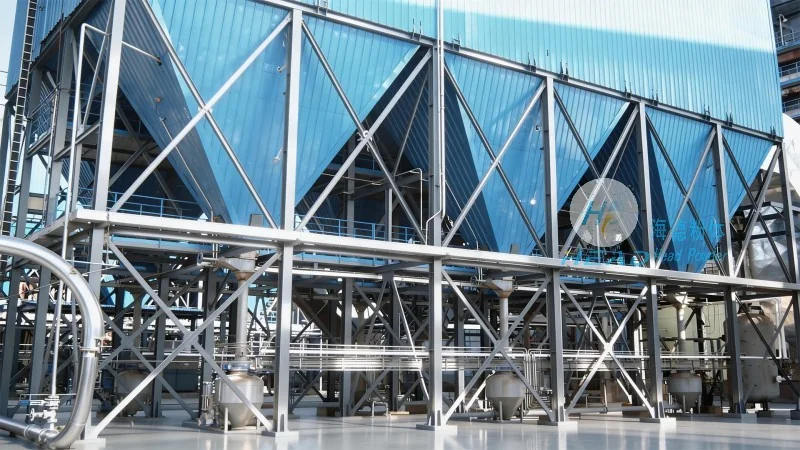
Implementing a pneumatic conveying line for glass fiber cellulose offers several advantages over traditional material handling methods. One of the most significant benefits is the ability to transport materials in a closed system, which minimizes dust emissions and improves workplace safety. This is particularly important for handling fibrous materials that can be hazardous if inhaled. Additionally, pneumatic conveying systems can handle materials at various temperatures and moisture levels, making them versatile for different industrial applications. The system also allows for flexible layout designs, as the conveying lines can be installed in various configurations to suit the available space and production requirements. Furthermore, the use of automated controls and monitoring systems enhances operational efficiency and reduces the need for manual intervention, leading to lower labor costs and improved productivity.
Maintenance and Longevity of Glass Fiber Cellulose Pneumatic Conveying Lines
Proper maintenance is essential to ensure the longevity and reliability of a glass fiber cellulose pneumatic conveying line. Regular inspections of components such as the hopper, conveyor pipes, and airlocks are necessary to identify and address any signs of wear or damage. The system should be equipped with cleaning mechanisms, such as pulse-jet filters, to prevent dust buildup and maintain air quality. Additionally, routine checks of air pressure and flow rates help ensure that the system operates within optimal parameters. By adhering to a regular maintenance schedule, manufacturers can extend the service life of the equipment and minimize downtime, ultimately reducing operational costs and improving overall efficiency.
Conclusion
A glass fiber cellulose material pneumatic conveying line is a sophisticated system designed to efficiently handle the unique properties of glass fiber cellulose materials. By adhering to key design principles, such as appropriate air velocity, smooth component surfaces, and effective flow control, these systems provide reliable and efficient material transport. The advantages of using pneumatic conveying, including dust control, flexibility, and integration with other processes, make it an attractive solution for industries dealing with glass fiber cellulose. With proper maintenance and system integration, these conveying lines can deliver long-term performance and contribute to improved productivity in industrial applications.