With more than 10‑year industry experience, Shandong Headpowder delivers full‑service pneumatic‑conveying systems and blowers, undertaking nationwide turn‑key powder‑handling projects.
Wood dust is a prevalent byproduct across industries such as woodworking, furniture manufacturing, and sawmills. Efficient and safe management of this material is essential for maintaining operational efficiency and ensuring workplace safety. Pneumatic conveying systems are widely adopted for transporting wood dust, with two primary methods—negative pressure (suction) and positive pressure (blow) conveying—offering distinct advantages and challenges. This article provides a detailed comparison of these two approaches, highlighting their pros and cons, to assist industry professionals in making informed decisions when selecting a conveying system for their wood dust applications.
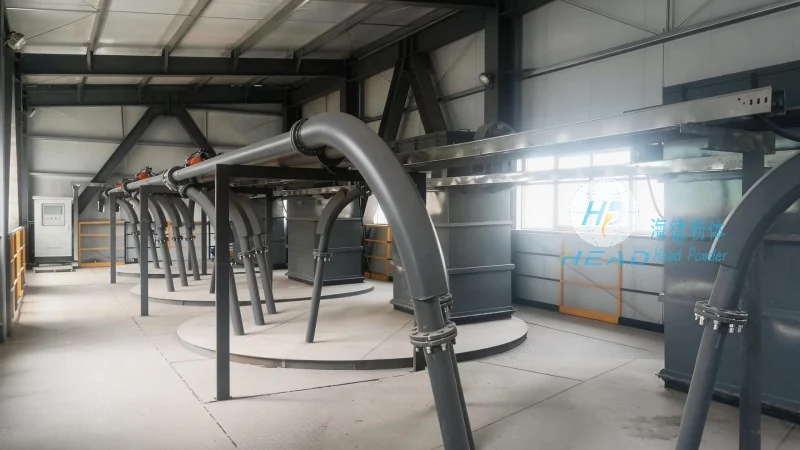
Negative pressure conveying, also known as suction conveying, operates by creating a low-pressure zone within the system to draw material from the source into the transport line. This method is particularly effective for applications where dust is generated at a fixed point and needs to be collected and transported to a central processing or storage area. A key advantage of negative pressure systems is their ability to handle dust at the source without the need for additional equipment to move the material initially. This can reduce the risk of dust dispersion and improve overall air quality in the workplace. Additionally, negative pressure systems often require less initial investment compared to positive pressure systems, as they typically involve simpler piping and fewer high-pressure components. However, several considerations must be addressed. For instance, negative pressure systems may be less effective for long-distance or high-capacity conveying, as the suction force diminishes over distance and with increasing material volume. Moreover, these systems can be more susceptible to blockages if the material contains large particles or moisture, which may necessitate additional filtration and maintenance to ensure smooth operation. The Shandong HeadPowder Engineering Co., Ltd., a leading provider of pneumatic conveying solutions, offers specialized negative pressure systems tailored to the unique needs of wood dust applications, ensuring optimal performance and reliability.
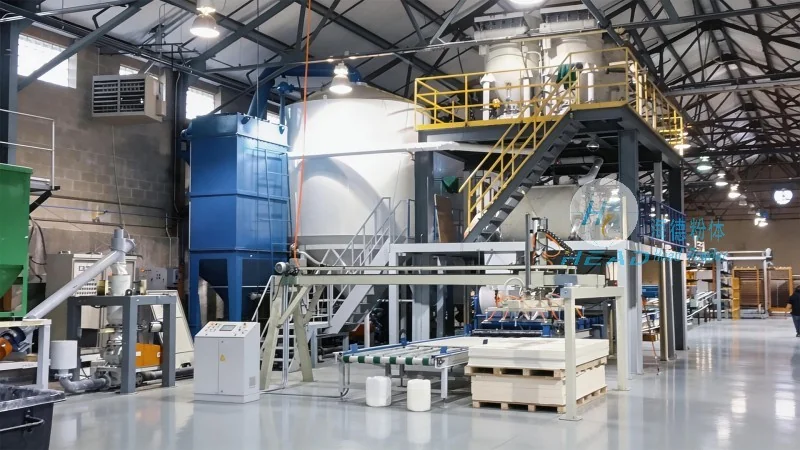
Positive pressure conveying, or blow conveying, works by using a fan or blower to generate high-pressure air that pushes material through the transport line. This method is ideal for applications requiring high capacity, long-distance transport, or the need to move material from multiple sources to a central location. One of the primary advantages of positive pressure systems is their superior ability to handle high volumes of material over extended distances. The high-pressure air ensures consistent material flow, reducing the risk of blockages and improving system efficiency. Additionally, positive pressure systems can be more effective in handling materials with higher moisture content or larger particle sizes, as the force of the air can help break up agglomerates and maintain a consistent flow. However, these systems come with notable considerations. The high-pressure components and larger fans required for positive pressure conveying can increase the initial capital expenditure compared to negative pressure systems. Furthermore, positive pressure systems may generate more noise and require more robust filtration to control dust emissions, which can impact workplace safety and environmental compliance. The Shandong HeadPowder Engineering Co., Ltd. provides advanced positive pressure conveying solutions that balance performance, efficiency, and cost-effectiveness, catering to the diverse requirements of wood dust handling in various industrial settings.
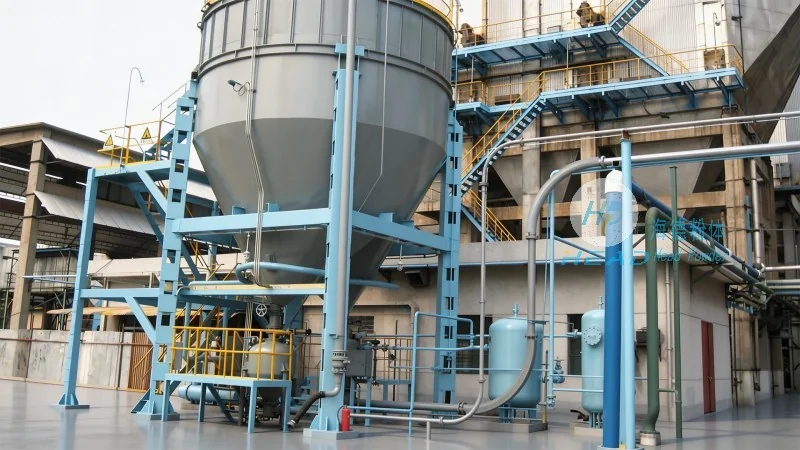
When deciding between negative and positive pressure conveying for wood dust, several factors must be carefully evaluated. The first consideration is the distance and capacity requirements of the transport system. For short distances and low to medium capacities, negative pressure systems may be sufficient and cost-effective. Conversely, for long distances or high-capacity applications, positive pressure systems are generally more suitable due to their superior material handling capabilities. Another critical factor is the nature of the wood dust being handled. If the material contains large particles, high moisture content, or is prone to agglomeration, positive pressure systems may offer better performance. Conversely, if the dust is generated at a single point and needs to be collected without disturbing the source, negative pressure systems can be more appropriate. Environmental and safety regulations also play a significant role. Negative pressure systems are often preferred in environments where minimizing dust dispersion is a priority, as they help maintain better air quality and reduce the risk of inhalation hazards. Positive pressure systems, while effective for high-volume transport, may require additional measures to control emissions and noise. The Shandong HeadPowder Engineering Co., Ltd. assists clients in evaluating these factors through comprehensive consultations, ensuring that the chosen conveying system aligns with operational goals, safety standards, and budget constraints. By understanding the specific characteristics of the wood dust and the operational requirements, businesses can select the most efficient and reliable conveying method to enhance productivity and safety in their wood dust handling processes.
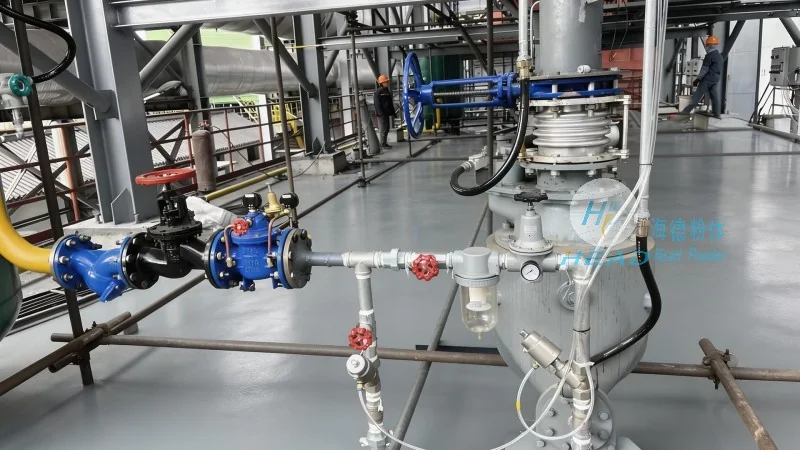
In conclusion, both negative and positive pressure conveying systems offer viable solutions for wood dust handling, each with its own set of advantages and considerations. Negative pressure systems excel in applications requiring low to medium capacity, short distances, and source collection with minimal disruption. Positive pressure systems, on the other hand, are better suited for high-capacity, long-distance transport and handling of materials with challenging characteristics. The choice between the two ultimately depends on the specific needs of the operation, including distance, capacity, material properties, and environmental regulations. The Shandong HeadPowder Engineering Co., Ltd. specializes in designing and implementing customized pneumatic conveying solutions that address these diverse requirements, ensuring optimal performance, safety, and efficiency. By leveraging their expertise and advanced technology, businesses can select the most appropriate conveying system to enhance their wood dust handling processes and achieve long-term operational success. Whether opting for negative or positive pressure, the key is to match the system to the application's unique demands to maximize productivity and minimize risks in wood dust management.

 Shandong Headpowder Engineering Co., Ltd.
 156-6277-7102(Manager Zhang)
  0531-83386006
  Zhangqiu District, Jinan City, Shandong Province, China
telephone
WeChatconsult
top