

Common Methods of Glass Particle Conveying
When it comes to the efficient handling and transportation of glass particles, selecting the right conveying method is crucial for optimizing production processes and ensuring product quality. Various techniques have been developed to address the unique challenges associated with glass materials, such as their fragility, varying sizes, and abrasive properties. This article explores the common methods used for glass particle conveying, providing insights into their applications and benefits.
1. Screw Conveyors for Glass Particle Transport
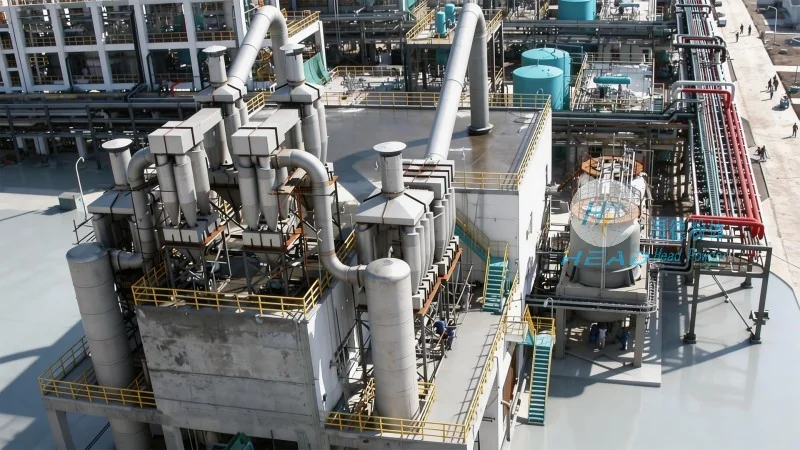
One of the most widely used methods for conveying glass particles is the screw conveyor. This equipment consists of a rotating helical screw blade enclosed within a U-shaped or cylindrical housing. As the screw rotates, it pushes the glass particles forward through the housing, allowing for a continuous and controlled flow. Screw conveyors are particularly effective for handling dry glass powders and granules, as they can maintain a consistent speed and direction, minimizing the risk of particle breakage. The design of the screw (e.g., pitch, diameter) can be customized to accommodate different particle sizes and flow rates, making it a versatile solution for various glass processing applications.
2. Pneumatic Conveying Systems for Glass Particles
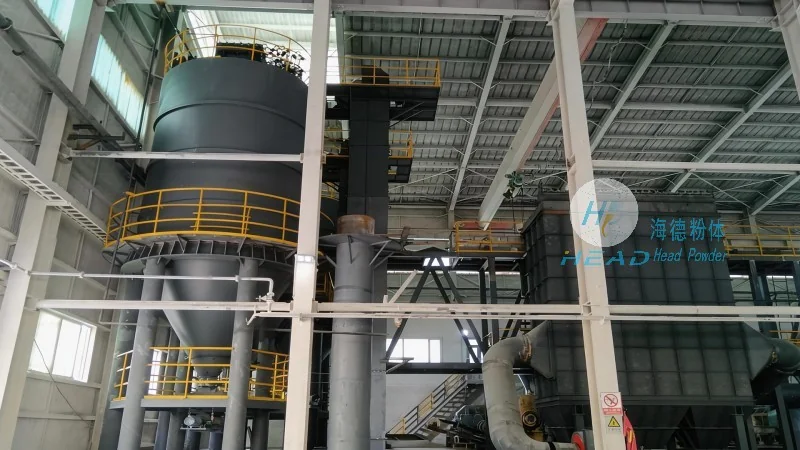
Pneumatic conveying, also known as air conveying, is another common method for transporting glass particles. This system uses compressed air to move the particles through a pipeline. There are two main types of pneumatic conveyors: pressure and vacuum systems. In pressure systems, air is introduced at the discharge end, pushing the particles forward. Vacuum systems, on the other hand, create a negative pressure at the inlet, drawing the particles into the pipeline. Pneumatic conveying is advantageous for handling fine glass powders and preventing contamination, as it can transport materials over longer distances without the need for multiple transfer points. However, it requires careful control of air pressure and flow to avoid particle degradation or system blockages.
3. Belt Conveyors for Bulk Glass Particle Handling
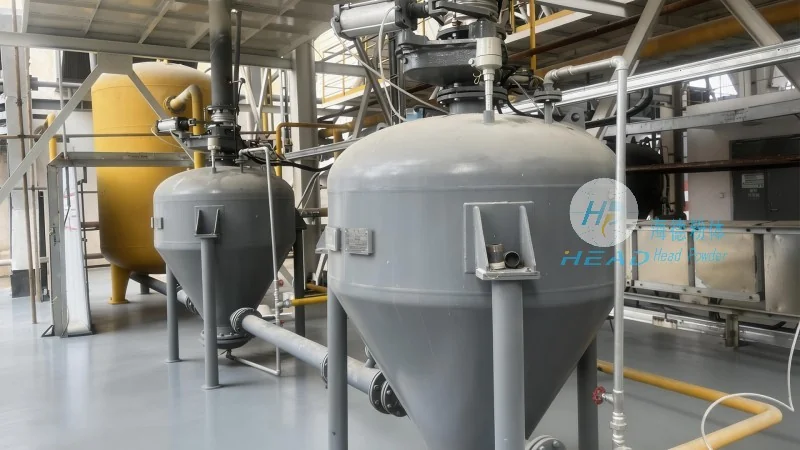
Belt conveyors are widely employed in glass particle transportation, especially for bulk materials. These systems consist of a continuous belt that moves over rollers or pulleys, transporting the glass particles from one location to another. Belt conveyors are suitable for both dry and slightly wet glass particles, and they can handle large volumes with high efficiency. The design of the belt (e.g., material, width) can be tailored to the specific characteristics of the glass particles, ensuring minimal wear and tear. Additionally, belt conveyors can be equipped with accessories like feeders or dividers to regulate the flow and prevent material buildup. This makes them an ideal choice for applications requiring consistent and reliable material movement in glass manufacturing and processing plants.
4. Bucket Elevators for Vertical Glass Particle Transport
For vertical transportation of glass particles, bucket elevators are commonly used. These systems consist of a vertical or inclined conveyor with buckets attached to a rotating chain or belt. As the buckets move up the conveyor, they scoop up the glass particles and discharge them at the top. Bucket elevators are highly efficient for moving large quantities of glass particles vertically, with minimal space requirements. They are particularly useful in glass production lines where materials need to be elevated to different levels for processing. The design of the buckets (e.g., shape, material) can be optimized to handle different particle sizes and prevent spillage. Additionally, bucket elevators can be equipped with safety features to prevent material spillage and ensure smooth operation, making them a reliable solution for vertical glass particle conveying.
About Shandong HeadPowder Engineering Co., Ltd.
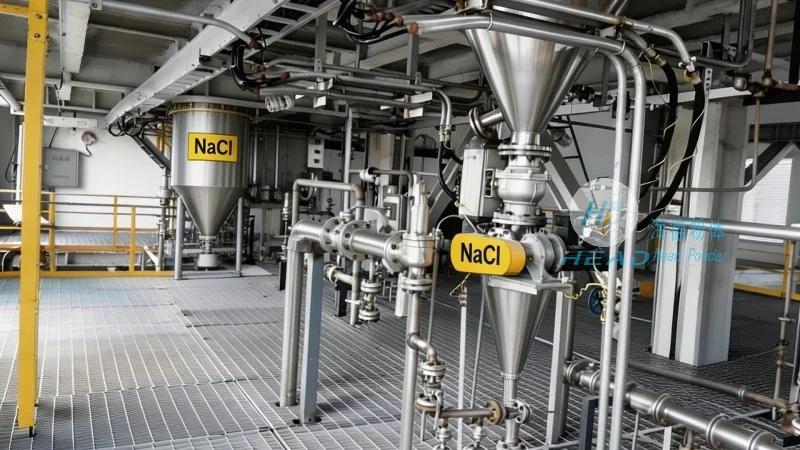
Shandong HeadPowder Engineering Co., Ltd., commonly known as HeadPowder, is a leading provider of specialized equipment and solutions for the glass industry. With a focus on innovation and quality, the company has established itself as a trusted partner for businesses seeking efficient glass particle conveying systems. HeadPowder's expertise lies in designing and manufacturing equipment tailored to the unique needs of glass processing, ensuring optimal performance and durability. The company's commitment to customer satisfaction and technical excellence has made it a preferred choice for clients worldwide. HeadPowder's headquarters is located in Shandong, China, where the company continues to develop advanced solutions for the glass industry.