With more than 10‑year industry experience, Shandong Headpowder delivers full‑service pneumatic‑conveying systems and blowers, undertaking nationwide turn‑key powder‑handling projects.
Pneumatic conveying is a critical process in material handling, especially for handling fine and abrasive materials like ceramic particles. The technology involves transporting solid particles through a pipeline using a gas stream, typically air or other gases. For ceramic industries, selecting the right pneumatic conveying system is essential to ensure efficient material transport, minimize equipment wear, and maintain product quality. Two primary modes dominate the market: positive pressure and negative pressure systems. Understanding the differences between these modes is crucial for selecting the most suitable solution for specific applications. HeadPowder, a leading provider of material handling solutions, specializes in designing and manufacturing customized pneumatic conveying systems tailored to the unique needs of ceramic manufacturers.
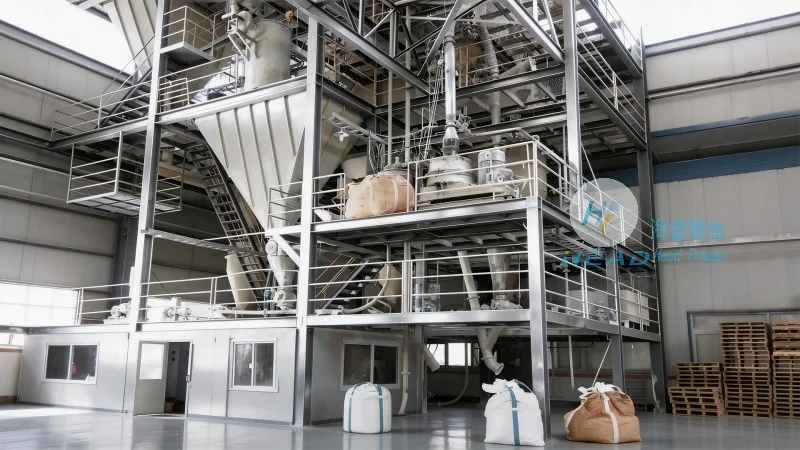
Positive pressure systems operate by blowing air or gas into the conveying line, creating a pressure higher than the ambient air pressure. This method is often preferred for long-distance or high-capacity conveying of ceramic particles. The system typically includes a blower or compressor at the inlet, which supplies the necessary pressure to move the material. Key components of a positive pressure system include the feed hopper, rotary valve, conveying line, and a receiver or discharge point. The positive pressure helps in maintaining a consistent flow rate and prevents material from settling in the pipeline, which is particularly important for fine ceramic powders that are prone to caking or agglomeration.
One of the main advantages of positive pressure systems is their ability to handle abrasive and abrasive materials without significant wear on the equipment. The high-pressure air stream can effectively transport particles with high density and moisture content. Additionally, positive pressure systems are generally more suitable for applications requiring high conveying velocities, such as transporting ceramic powders over long distances or through complex network layouts. However, they may require more robust equipment and higher energy consumption compared to negative pressure systems. The initial investment and operational costs can be higher due to the need for powerful blowers and the associated maintenance.
Negative pressure systems, also known as suction or vacuum systems, operate by creating a vacuum in the conveying line, drawing material from the source into the pipeline. The system uses a vacuum pump or fan to create a pressure lower than the ambient air pressure, which pulls the ceramic particles into the line. This mode is often used for short-distance conveying or when the material needs to be transported from a low elevation to a higher one. The components of a negative pressure system include the material source, a vacuum pump, a filter, and a discharge point. The negative pressure helps in capturing fine particles and preventing dust emissions, which is beneficial for applications where dust control is a priority.
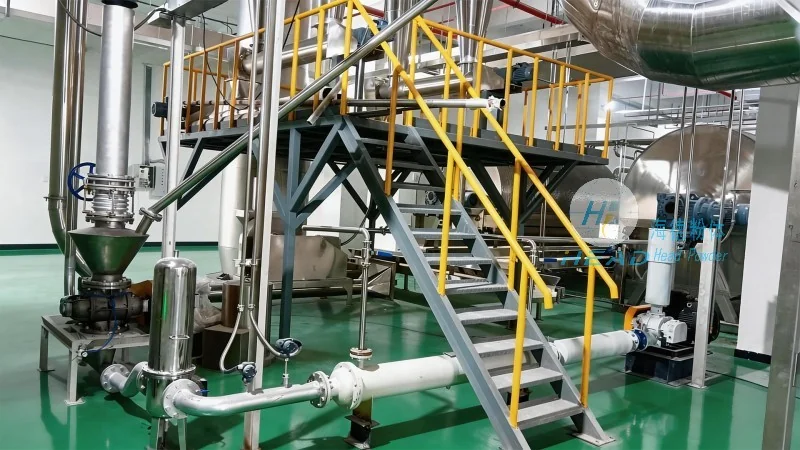
A key advantage of negative pressure systems is their lower energy consumption and reduced equipment wear compared to positive pressure systems. The vacuum pump typically requires less power to operate, making them more energy-efficient. Additionally, the system is less likely to cause material degradation due to lower conveying velocities, which is important for delicate ceramic products. However, negative pressure systems have limitations, particularly when dealing with high-density or abrasive materials. The vacuum may not be sufficient to transport materials over long distances or through large quantities, leading to potential blockages or reduced efficiency. The system also requires careful design to prevent dust leakage and ensure proper filtration to maintain air quality.
When comparing positive and negative pressure pneumatic conveying systems for ceramic particles, several factors need to be considered. The choice between the two modes depends on the specific application requirements, such as the distance of transport, material characteristics, and environmental considerations. Positive pressure systems are generally more suitable for high-capacity, long-distance conveying of abrasive ceramic materials, while negative pressure systems are better for short-distance or low-volume applications where dust control is critical.
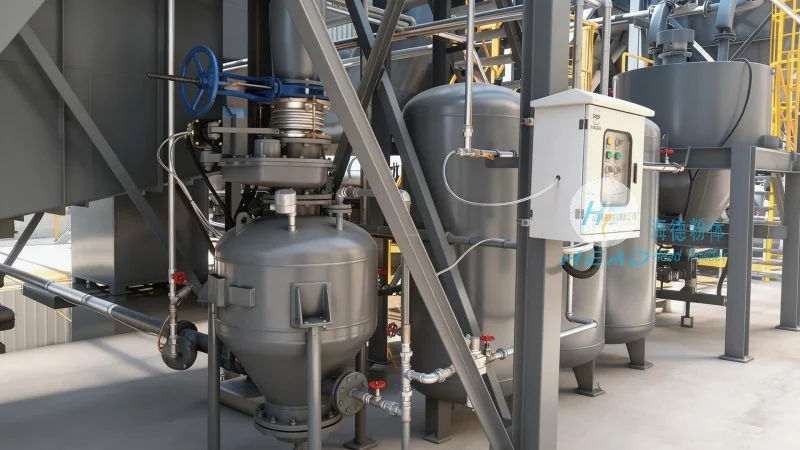
From an operational perspective, positive pressure systems offer better control over the conveying process, with higher flow rates and more consistent performance. They are also easier to maintain and repair, as the equipment is exposed to higher pressures, making it easier to detect and address issues. Negative pressure systems, on the other hand, are more energy-efficient and require less maintenance, but they may struggle with high-density materials and long distances. The choice also depends on the initial investment and operational costs. Positive pressure systems have higher upfront costs due to the need for powerful blowers, while negative pressure systems have lower initial costs but may incur higher long-term energy expenses.
For ceramic manufacturers, selecting the appropriate pneumatic conveying system is critical to optimizing production efficiency and maintaining product quality. Positive pressure systems are ideal for applications such as transporting raw ceramic powders from storage silos to processing lines, or for conveying finished ceramic products from production areas to packaging facilities. The high pressure and flow rate ensure that the material is transported quickly and without degradation. Negative pressure systems are more suitable for applications where dust control is a priority, such as conveying ceramic powders from a mixing or grinding process to a storage silo, or for transporting materials in cleanroom environments where dust contamination must be minimized.
The choice of system also depends on the specific properties of the ceramic particles. For example, fine ceramic powders with high moisture content may require a positive pressure system to prevent agglomeration and ensure consistent flow. Coarse ceramic particles, on the other hand, may be better suited for negative pressure systems, as the lower velocities reduce the risk of particle breakage. Additionally, the system design must consider the potential for material buildup or blockages, which can occur in both positive and negative pressure systems. Proper maintenance, including regular cleaning of filters and pipelines, is essential to prevent system downtime and ensure long-term performance.

 Shandong Headpowder Engineering Co., Ltd.
 156-6277-7102(Manager Zhang)
  0531-83386006
  Zhangqiu District, Jinan City, Shandong Province, China
telephone
WeChatconsult
top