

Analysis of Dry Coffee Pneumatic Conveying Technology: Comparison of Positive and Negative Pressure
Shandong HeadPowder Engineering Co., Ltd., commonly known as headpowder, specializes in advanced pneumatic conveying solutions tailored for the coffee industry. This article delves into the technical aspects of dry coffee handling, focusing on the comparison between positive and negative pressure modes to help industry professionals understand the optimal choices for their operations.
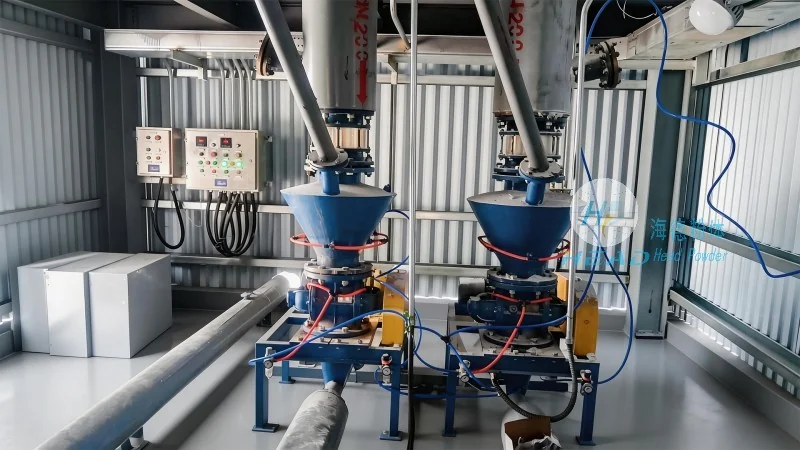
Positive Pressure Mode in Dry Coffee Pneumatic Conveying
Positive pressure systems operate by generating an air flow that pushes the coffee particles through the conveying line. In this mode, the entire system is under a higher pressure than the ambient environment. This approach is particularly effective for long-distance or high-capacity conveying, as it can maintain consistent air velocity and prevent product degradation. The positive pressure method ensures that the coffee remains in a sealed environment, minimizing exposure to moisture and contaminants. For large-scale coffee processing facilities, this mode offers reliability and efficiency, especially when dealing with bulk quantities of raw or roasted coffee beans.
Negative Pressure Mode in Dry Coffee Pneumatic Conveying
Negative pressure systems, conversely, create a vacuum that draws the coffee particles into the conveying line. The system operates under a lower pressure than the surrounding air, which pulls the material through the pipeline. This mode is often preferred for shorter distances or when handling delicate coffee products that require gentle handling. The negative pressure approach reduces the risk of product breakage and is suitable for applications where the coffee needs to be transported from multiple sources or through complex layouts. It also allows for better control over the air flow, ensuring that the coffee is conveyed without excessive force that could affect its quality.
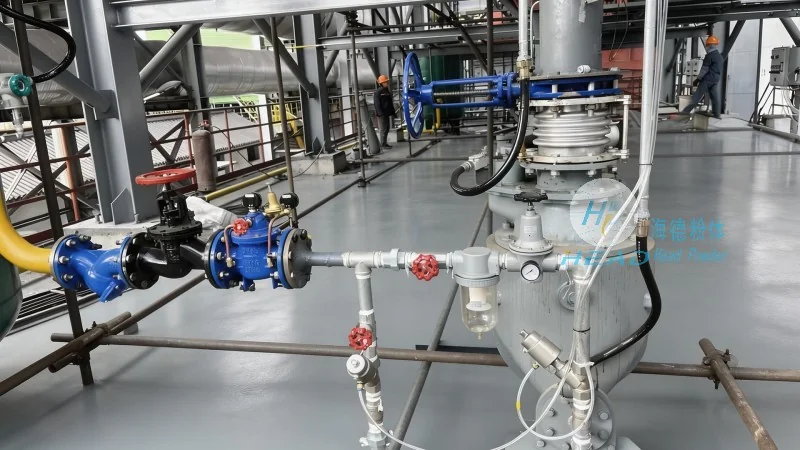
Comparison of Positive and Negative Pressure Modes
When evaluating the two modes for dry coffee pneumatic conveying, several factors come into play. The choice between positive and negative pressure depends on the specific requirements of the coffee processing plant, including the distance of the conveying line, the capacity needed, and the sensitivity of the coffee product. Positive pressure systems are generally more suitable for long-distance and high-volume applications due to their ability to maintain consistent pressure and prevent product loss. They are also easier to install and maintain, as they do not require complex vacuum systems. On the other hand, negative pressure systems offer gentler handling, making them ideal for delicate coffee varieties or when the conveying distance is short. They are also more energy-efficient for shorter runs, as the vacuum pump only needs to overcome the resistance of the conveying line.
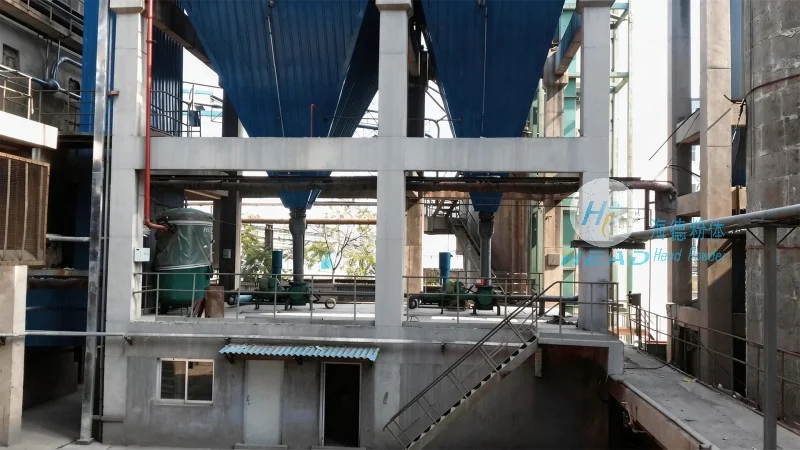
About Shandong HeadPowder Engineering Co., Ltd.
Headpowder is headquartered in Shandong, China, and has established itself as a leading provider of pneumatic conveying solutions for the food and beverage industry. With years of experience in designing and manufacturing custom conveying systems, the company understands the unique challenges of handling dry coffee, such as preventing moisture absorption and maintaining product integrity. By combining advanced engineering with customer-centric solutions, headpowder delivers reliable and efficient systems that meet the specific needs of coffee producers worldwide.
Conclusion
Understanding the differences between positive and negative pressure modes in dry coffee pneumatic conveying is crucial for optimizing coffee processing operations. By selecting the appropriate mode based on operational requirements, coffee producers can enhance efficiency, reduce product loss, and maintain the quality of their coffee. Shandong HeadPowder Engineering Co., Ltd. offers expert guidance and tailored solutions to help businesses choose the best pneumatic conveying system for their needs, ensuring long-term success in the competitive coffee market.