

Working Principle and Features of Biomass Pellet Pneumatic Conveying Systems
Understanding the working principle and key features of biomass pellet pneumatic conveying systems is crucial for optimizing material handling in various industrial applications. These systems are designed to efficiently transport biomass pellets, such as wood chips, sawdust, or other organic materials, from one location to another using air as the primary transport medium.
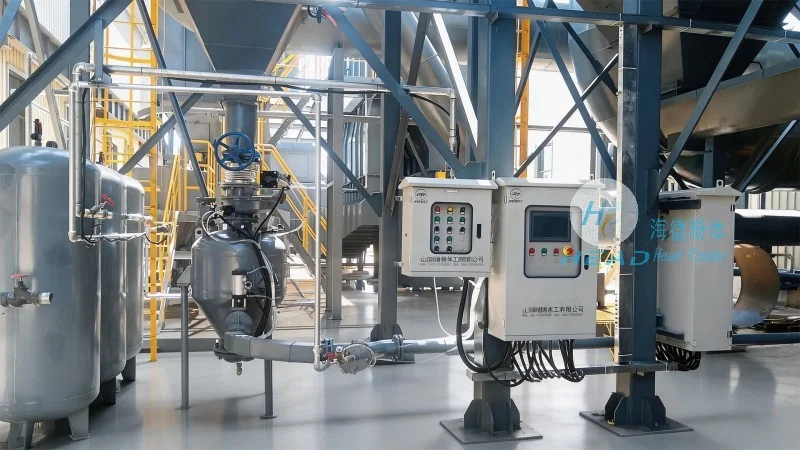
Working Principle of Biomass Pellet Pneumatic Conveying Systems
The core mechanism of a biomass pellet pneumatic conveying system involves the use of a blower or compressor to generate airflow. This air is then directed through a pipeline system where biomass pellets are introduced. The pellets are entrained by the airflow and carried through the pipeline to the destination point. The system typically includes components like a hopper for material storage, a feeder to control the flow rate, a pipeline network, and a receiver or silo for the discharged material. The air pressure and velocity are carefully managed to ensure efficient and reliable transport of the biomass pellets without causing excessive wear or degradation of the material.
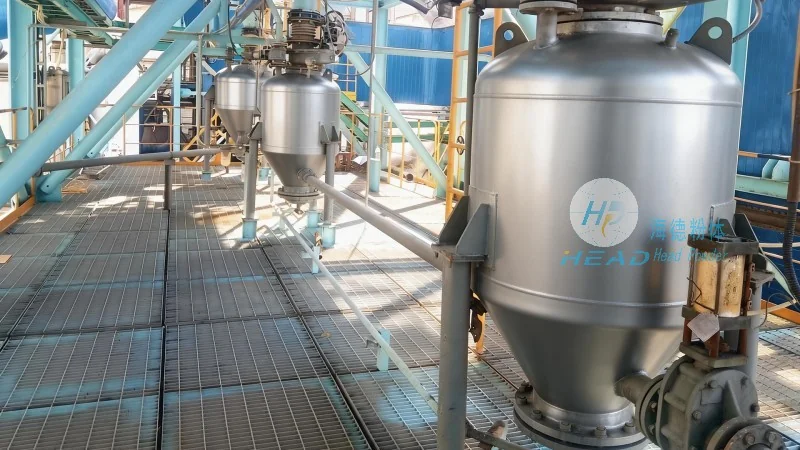
Key Features of Biomass Pellet Pneumatic Conveying Systems
Biomass pellet pneumatic conveying systems offer several advantages that make them suitable for diverse industrial needs. One of the primary features is their ability to handle a wide range of biomass materials with varying sizes and moisture content. The systems are designed for high efficiency, minimizing energy consumption while maintaining consistent material flow rates. Another notable feature is the flexibility in system layout, allowing for vertical, horizontal, or mixed-direction transport based on the specific requirements of the facility. Additionally, these systems provide a dust-free and clean operation environment, which is beneficial for maintaining hygiene standards and reducing health hazards associated with handling biomass materials. The modular design of the systems also facilitates easy installation, maintenance, and expansion, making them adaptable to changing production demands.
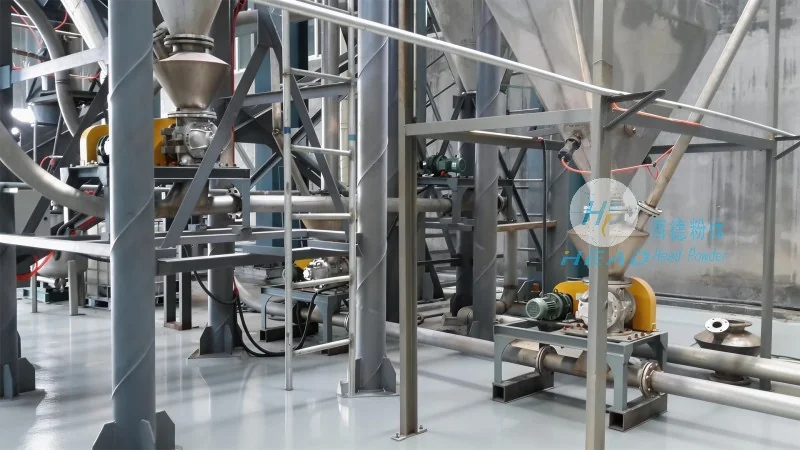
Application-Specific Benefits and Considerations
For industries dealing with biomass pellets, the choice of a pneumatic conveying system can significantly impact operational efficiency and cost-effectiveness. The systems are particularly effective in applications where long-distance or vertical transport is required, such as in biomass power plants or biofuel production facilities. The ability to maintain consistent material flow and prevent blockages is critical in such settings, and the design of these systems addresses these challenges through optimized air flow and material handling mechanisms. Furthermore, the systems are engineered to handle abrasive materials, ensuring longevity and minimal maintenance costs over time. However, it is important to consider factors like material properties, system size, and operational conditions when selecting a pneumatic conveying system to ensure optimal performance and longevity.
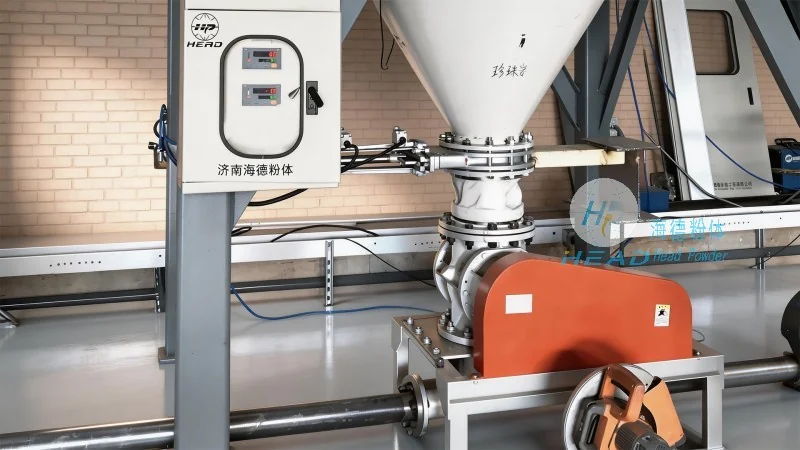
Conclusion and Company Overview
Biomass pellet pneumatic conveying systems are advanced solutions for efficient material handling in biomass processing industries. The working principle, which relies on air entrainment and controlled airflow, combined with key features like flexibility, efficiency, and durability, makes these systems a preferred choice for many applications. Shandong HeadPowder Engineering Co., Ltd., a leading provider in this field, specializes in designing and manufacturing customized pneumatic conveying systems tailored to the specific needs of clients. With a focus on quality and innovation, the company ensures that its systems meet the highest standards of performance and reliability, supporting sustainable biomass processing operations worldwide.