

Bioenzyme Pneumatic Conveying Technology Analysis: Comparison of Positive and Negative Pressure Mode
Biological enzymes, integral to modern biotechnology and pharmaceutical sectors, demand efficient, hygienic material handling solutions. Pneumatic conveying technology has become a preferred method for transporting bioenzymes due to its ability to preserve product integrity, minimize contamination risks, and enhance operational flexibility. This article explores the technical intricacies of bioenzyme pneumatic conveying, focusing on the two primary modes: positive pressure and negative pressure systems. By understanding the distinct characteristics of each mode, industries can make informed decisions to optimize their bioenzyme processing workflows.
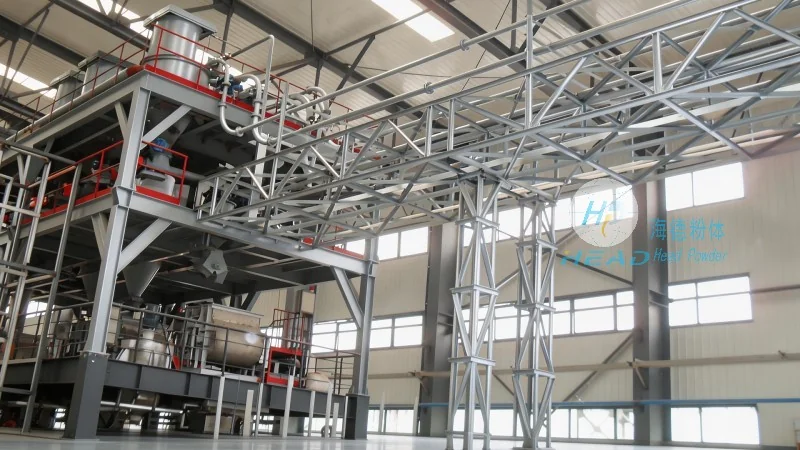
Understanding Pneumatic Conveying Systems
Pneumatic conveying systems utilize air or gas to transport bulk materials through a pipeline network. The core principle involves creating a pressure differential to move material from a source to a destination. In bioenzyme handling contexts, these systems must adhere to stringent hygiene standards, as bioenzymes are sensitive to environmental factors such as temperature, moisture, and exposure to contaminants. The choice between positive and negative pressure modes hinges on factors like material properties, system layout, and operational requirements.
Positive Pressure Pneumatic Conveying: Principles and Applications
Positive pressure pneumatic conveying operates by generating high-pressure air that pushes material through the conveying line. This mode is particularly suited for applications involving abrasive or high-moisture materials, as the high pressure helps maintain material flow and prevent blockages. The system typically includes a blower or compressor at the inlet, supplying compressed air to the material feed point. The positive pressure ensures continuous material forward movement, reducing clogging risks and maintaining consistent flow rates.
In bioenzyme processing, positive pressure systems are often employed for short to medium-distance conveying of powdered bioenzymes, such as enzymes used in food processing or pharmaceutical formulations. The high-pressure air helps preserve the integrity of enzyme molecules, preventing denaturation or degradation during transport. Additionally, positive pressure systems are easier to clean and maintain, as the entire system operates under positive pressure, reducing the risk of external contaminants entering the pipeline.
Negative Pressure Pneumatic Conveying: Principles and Applications
Negative pressure pneumatic conveying, also known as suction conveying, operates by creating a low-pressure zone at the material discharge point, which draws material into the conveying line. This mode is ideal for applications with light, dusty, or dust-prone materials. The system uses a vacuum pump or fan at the outlet to generate the suction effect, pulling material from the source to the destination.
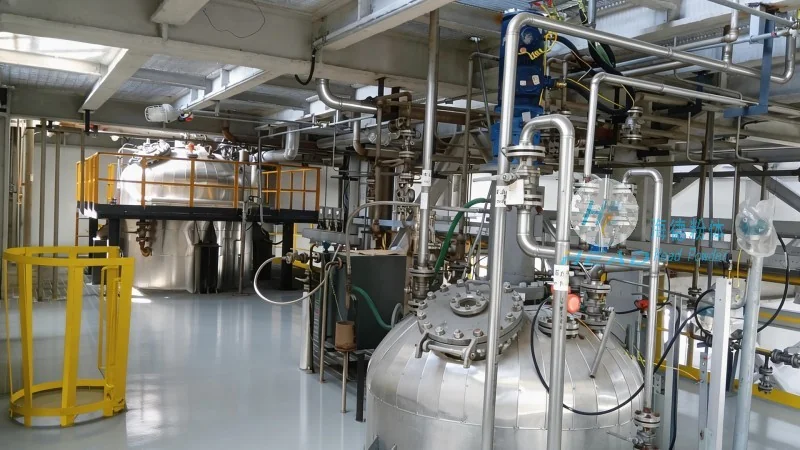
For bioenzyme handling, negative pressure systems are commonly used for long-distance conveying of fine bioenzyme powders, such as enzymes in industrial biotechnology. The low-pressure environment helps minimize material degradation by reducing exposure to high temperatures or air flow. However, negative pressure systems are more susceptible to clogging and require more careful maintenance to prevent dust leakage and contamination.
Comparative Analysis of Positive vs. Negative Pressure Modes
When comparing positive and negative pressure pneumatic conveying systems for bioenzyme applications, several key factors emerge. Positive pressure systems offer higher conveying capacities and are better suited for abrasive or high-moisture materials, while negative pressure systems are more appropriate for long-distance, low-dust applications. The choice of mode also depends on system layout and available space. Positive pressure systems are generally more compact and easier to integrate into existing facilities, whereas negative pressure systems may require larger suction hoods and ductwork.
From a maintenance perspective, positive pressure systems are more straightforward to clean and maintain due to their closed-loop design, which prevents external contaminants from entering. Negative pressure systems, on the other hand, require regular checks to ensure that suction hoods are properly sealed and that dust filters are functioning correctly to prevent air leakage and contamination.
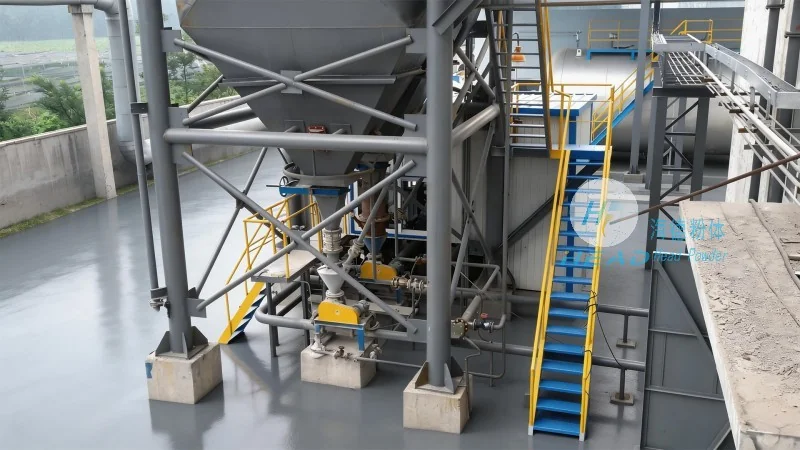
Technical Advantages and Practical Considerations for Bioenzyme Handling
The selection of the appropriate pneumatic conveying mode for bioenzyme processing is critical to ensuring product quality and operational efficiency. Positive pressure systems provide better control over material flow and are less prone to clogging, making them ideal for high-purity bioenzyme applications. Negative pressure systems, while more energy-efficient for long-distance transport, may require additional filtration and dust control measures to maintain product integrity.
Another important consideration is the impact of pressure on bioenzyme stability. High-pressure air in positive pressure systems can cause shear stress on enzyme molecules, potentially leading to denaturation if not properly managed. Conversely, low-pressure environments in negative pressure systems help preserve enzyme activity by minimizing exposure to air and temperature fluctuations. Therefore, system design must account for the specific thermal and mechanical properties of the bioenzyme being transported.
About Shandong HeadPowder Engineering Co., Ltd.
Company Name: Shandong HeadPowder Engineering Co., Ltd.

Location: Shandong, China
Shandong HeadPowder Engineering Co., Ltd. is a leading provider of specialized engineering solutions for the powder and bulk material handling industry. The company specializes in designing and manufacturing custom pneumatic conveying systems tailored to the unique needs of bioenzyme processing. With a strong focus on hygiene, efficiency, and durability, the company has developed advanced technologies to address the challenges of transporting sensitive bioenzymes. The team of engineers and technicians works closely with clients to understand their specific requirements and provide tailored solutions that enhance operational performance and product quality.
Conclusion: Choosing the Right Pneumatic Conveying Mode for Bioenzyme Processing
In conclusion, the choice between positive and negative pressure pneumatic conveying systems for bioenzyme processing depends on a combination of technical, operational, and economic factors. Positive pressure systems offer superior control and reliability for short to medium-distance conveying of high-purity bioenzymes, while negative pressure systems are more suitable for long-distance transport of low-dust materials. By carefully evaluating material properties, system requirements, and maintenance considerations, industries can select the most appropriate pneumatic conveying mode to optimize their bioenzyme processing workflows and ensure consistent product quality.