

Choosing Between Positive Pressure and Negative Pressure for Sintered Dust Pneumatic Conveying: How
When it comes to transporting sintered dust via pneumatic systems, the choice between positive pressure and negative pressure conveying methods is a critical decision that impacts operational efficiency, safety, and cost-effectiveness. Understanding the fundamental differences and specific applications of each approach is essential for selecting the most suitable solution for your industrial needs. This article provides a comprehensive overview of the key factors to consider when choosing between positive pressure and negative pressure for sintered dust pneumatic conveying, helping you make an informed decision.
Understanding Pneumatic Conveying Basics
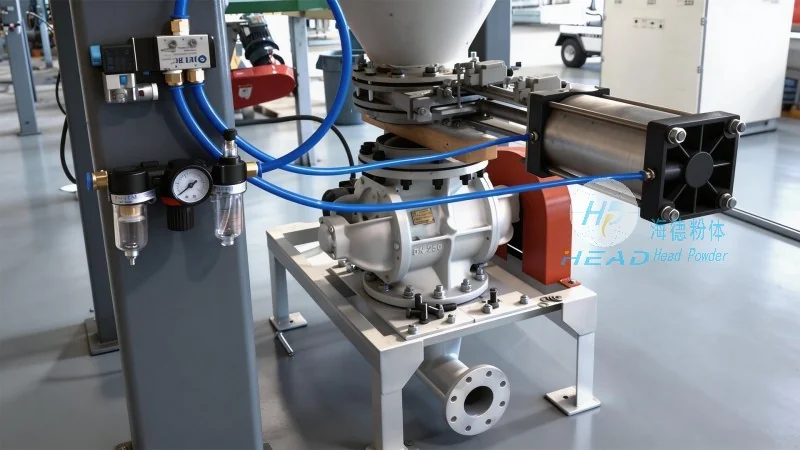
Pneumatic conveying systems use air or gas to transport bulk materials like sintered dust through a pipeline. The primary distinction between positive pressure and negative pressure systems lies in the pressure differential within the conveying line relative to the ambient air pressure. Positive pressure systems operate with air pressure higher than the surrounding atmosphere, while negative pressure systems operate with air pressure lower than the ambient pressure. Both methods have distinct advantages and are suited to different operational scenarios.
Key Characteristics of Positive Pressure Pneumatic Conveying
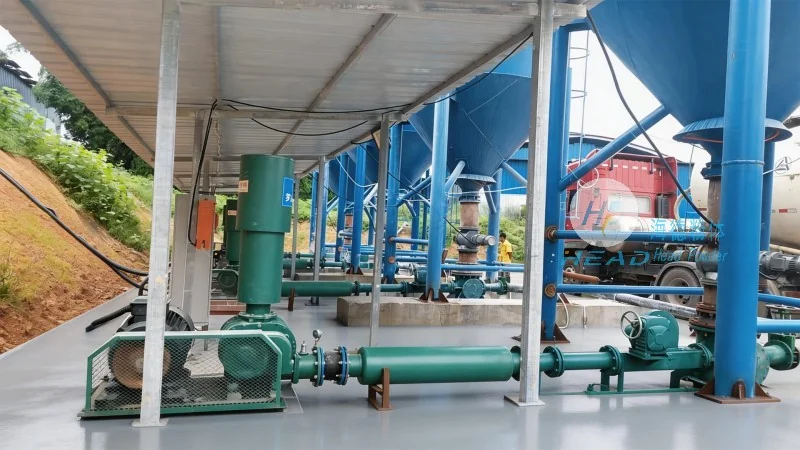
Positive pressure conveying systems, also known as pressure systems, are designed to move material by blowing air into the conveying line, creating a pressure higher than the ambient environment. This method is particularly effective for transporting sintered dust over longer distances or through complex network configurations. The high-pressure air stream ensures that the material is consistently pushed through the pipeline, reducing the risk of blockages and ensuring reliable material flow. A key advantage of positive pressure systems is their ability to handle abrasive or corrosive materials without significant wear on the system components. Additionally, these systems are generally more energy-efficient for long-distance conveying, as they can maintain consistent pressure without the need for vacuum assistance.
Applications of Positive Pressure Conveying for Sintered Dust
Positive pressure systems are commonly used in industrial settings where sintered dust needs to be transported from a central processing facility to multiple storage or processing locations. For example, in steel mills or cement plants, positive pressure conveying can efficiently move sintered dust from the sintering plant to silos or other processing units, even when the receiving points are at different elevations or distances. The system's ability to handle high volumes of material with minimal downtime makes it ideal for continuous production environments. Furthermore, positive pressure conveying is often preferred in applications where the material is sensitive to moisture or contamination, as the sealed pipeline prevents exposure to external elements.
Key Characteristics of Negative Pressure Pneumatic Conveying
Negative pressure conveying systems, also known as vacuum systems, operate by creating a vacuum within the conveying line, which draws material from the source into the pipeline. This method is typically used for shorter conveying distances and when the material needs to be collected from multiple points. The vacuum created by the system pulls the sintered dust into the pipeline, ensuring that the material is transported without the need for high-pressure air. A significant advantage of negative pressure systems is their lower energy consumption for short-distance conveying, as they rely on the vacuum pump to create the pressure differential. However, these systems are more susceptible to blockages and material degradation due to the lower air velocity and potential for dust accumulation in the pipeline.
Applications of Negative Pressure Conveying for Sintered Dust
Negative pressure systems are commonly employed in applications where sintered dust needs to be collected from a single source and transported to a central processing unit over relatively short distances. For instance, in mining or metallurgical operations, negative pressure conveying can effectively collect dust from a sintering furnace or storage silo and transport it to a dust collection system or processing plant. The system's ability to handle fine particles and prevent dust dispersion is a major benefit, as the vacuum helps maintain a clean working environment. Additionally, negative pressure conveying is often used in applications where the material is lightweight or has a low bulk density, as the vacuum can effectively lift and transport the material without the need for high air pressure.
Distinguishing Between Positive and Negative Pressure Systems
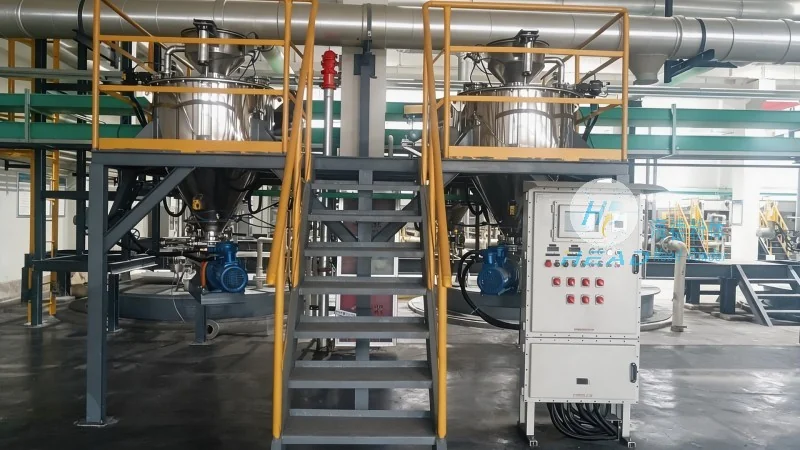
When evaluating the suitability of positive or negative pressure for sintered dust pneumatic conveying, several factors must be considered. The primary considerations include the conveying distance, the volume of material to be transported, the material characteristics (such as particle size, moisture content, and abrasiveness), and the operational environment. Longer distances and higher material volumes typically favor positive pressure systems due to their ability to maintain consistent pressure and handle larger quantities of material. Shorter distances and lower material volumes, or when the material is sensitive to high pressure, may make negative pressure systems a more appropriate choice. Additionally, the layout of the industrial facility and the need for flexibility in the conveying network can influence the decision. Positive pressure systems are more suitable for complex network configurations, while negative pressure systems are better suited for simple, linear setups.
Operational Considerations and Maintenance
Both positive and negative pressure pneumatic conveying systems require regular maintenance to ensure optimal performance and longevity. Positive pressure systems may experience higher wear on components due to the high air pressure and abrasive material, necessitating more frequent inspections and replacements of filters, seals, and pipeline sections. Negative pressure systems, while generally more energy-efficient for short distances, may require more frequent cleaning of the vacuum pump and pipeline to prevent dust accumulation and blockages. The choice of system also impacts safety considerations, as positive pressure systems pose a higher risk of pressure-related accidents, while negative pressure systems may create suction hazards if not properly maintained. Proper training of personnel and adherence to safety protocols are essential for both system types to minimize risks and ensure safe operation.
Conclusion
Selecting between positive pressure and negative pressure pneumatic conveying for sintered dust requires a thorough analysis of operational requirements, material characteristics, and facility layout. Positive pressure systems offer advantages in long-distance, high-volume conveying with robust performance, while negative pressure systems are suitable for shorter distances and more sensitive material handling. By understanding the key characteristics and applications of each system, industrial operators can make an informed decision that enhances operational efficiency, reduces costs, and ensures safe and reliable material transport. For further guidance on selecting the most appropriate pneumatic conveying system for your sintered dust application, consult with industry experts and consider the specific needs of your operation.