With more than 10‑year industry experience, Shandong Headpowder delivers full‑service pneumatic‑conveying systems and blowers, undertaking nationwide turn‑key powder‑handling projects.
When it comes to the pneumatic conveying of metallurgical coal powder, selecting the right system—whether positive pressure or negative pressure—is a critical decision that impacts operational efficiency, safety, and cost-effectiveness. This article explores the key differences between these two approaches, helping you make an informed choice for your industrial application.
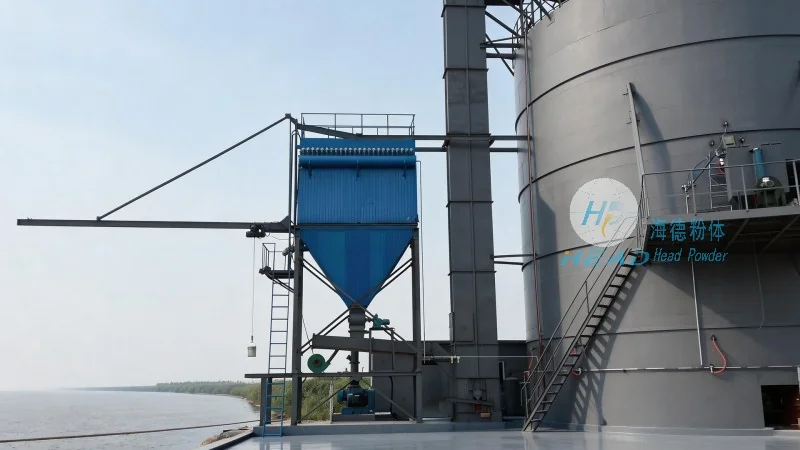
Pneumatic conveying is a method of transporting bulk materials like coal powder through a pipeline using air or gas as the conveying medium. The choice between positive pressure and negative pressure systems depends on factors such as material properties, system layout, and the specific requirements of the process. Both systems have their own advantages and limitations, which are essential to consider when designing a coal powder handling system.
Positive pressure systems operate by blowing air or gas into the conveying line, creating a pressure higher than the ambient air pressure. This method is often preferred for short to medium-distance conveying of coal powder, especially when the material is fine and has a tendency to create dust or clog the system. The high pressure ensures that the material is pushed through the pipeline, reducing the risk of blockages and improving flow consistency.
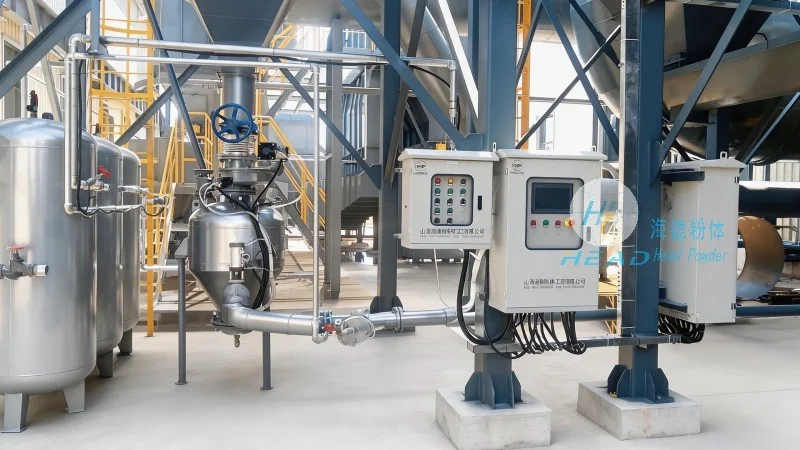
Shandong HeadPowder Engineering Co., Ltd., a leading provider of coal powder handling solutions, specializes in designing and manufacturing positive pressure conveying systems tailored to the needs of metallurgical industries. Their expertise in material flow dynamics and system integration ensures that the equipment operates efficiently, minimizing downtime and maintenance costs.
Negative pressure systems, also known as vacuum or suction systems, work by creating a vacuum in the conveying line, drawing the coal powder into the pipeline. This approach is typically used for longer distances or when the material is sensitive to pressure changes, as it maintains a lower pressure environment. Negative pressure systems are often more suitable for applications where the material is prone to generating dust or where the system layout requires a more flexible configuration.
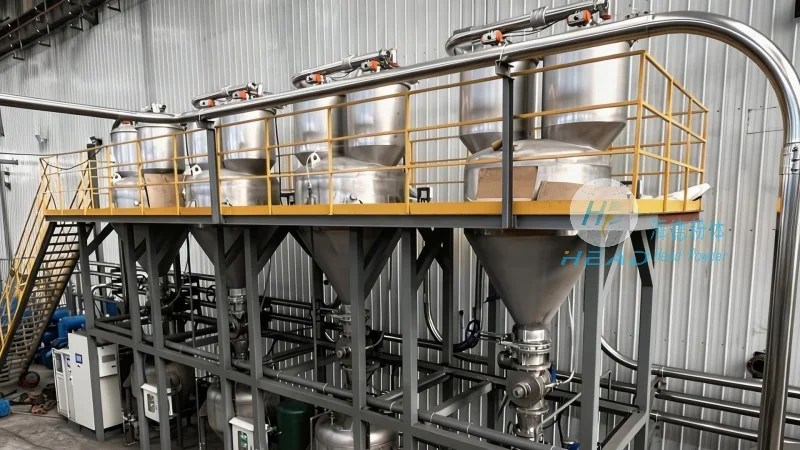
HeadPowder, with its headquarters in Shandong, China, offers negative pressure conveying solutions that are engineered to handle the unique challenges of metallurgical coal powder. Their systems are designed to maintain a consistent vacuum level, ensuring reliable material transport while minimizing the risk of air leakage and system contamination.
How do you determine which system is right for your metallurgical coal powder application? The key factors to consider include the distance of the conveying line, the material's flow characteristics, and the environmental regulations in your region. For short distances and high-volume transport, positive pressure systems may be more cost-effective. For longer distances or applications requiring a more controlled environment, negative pressure systems offer better flexibility and safety.
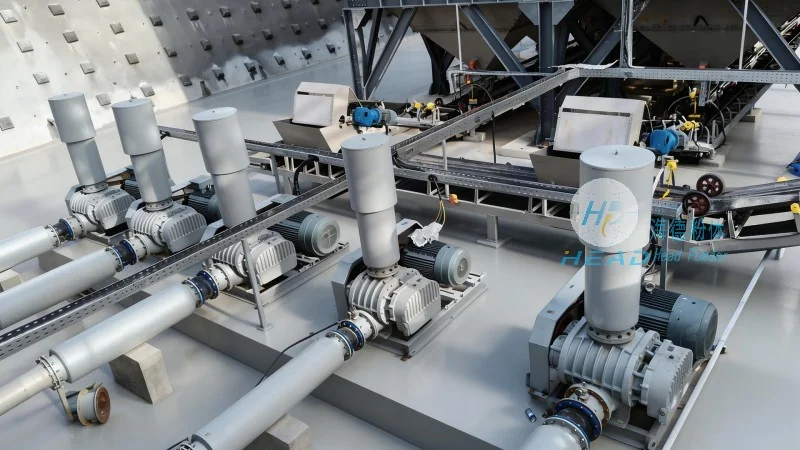
HeadPowder's team of engineers conducts thorough assessments of each project to recommend the most suitable system. By analyzing factors such as material density, particle size distribution, and system layout, they provide customized solutions that optimize performance and reduce operational costs.
Choosing between positive pressure and negative pressure for metallurgical coal powder pneumatic conveying requires a careful evaluation of your specific needs. Whether you opt for a positive pressure system or a negative pressure system, partnering with a reputable company like Shandong HeadPowder Engineering Co., Ltd. ensures that you receive a reliable, efficient, and safe solution tailored to your industrial requirements.

 Shandong Headpowder Engineering Co., Ltd.
 156-6277-7102(Manager Zhang)
  0531-83386006
  Zhangqiu District, Jinan City, Shandong Province, China
telephone
WeChatconsult
top