With more than 10‑year industry experience, Shandong Headpowder delivers full‑service pneumatic‑conveying systems and blowers, undertaking nationwide turn‑key powder‑handling projects.
For industrial applications involving the transport of activated carbon granules, specialized equipment is essential to ensure efficient and reliable material handling. This article provides an overview of the operation process and working principles of such systems, highlighting key components and their functions. The focus is on the equipment developed by Shandong HeadPowder Engineering Co., Ltd., a leading manufacturer in the field, based in China.
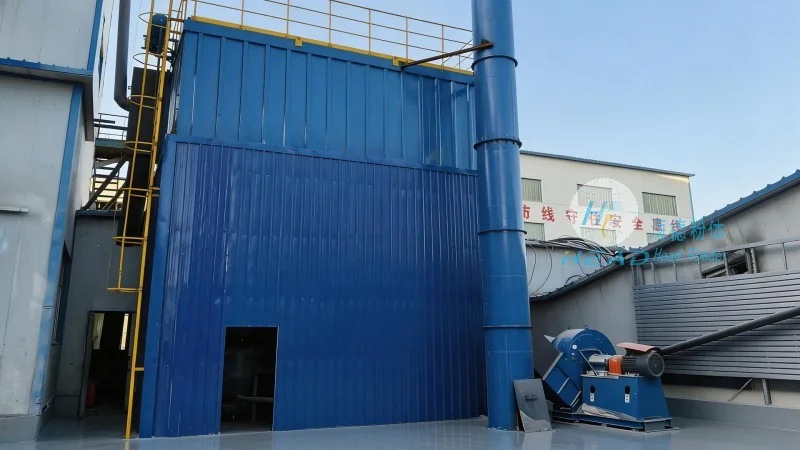
The activated carbon granule material handling system typically consists of several critical components that work in concert to facilitate smooth material transport. These include feed hoppers, conveyor mechanisms, control panels, and discharge units. Each component plays a vital role in the overall functionality of the system.
Feed hoppers are designed to store and feed the activated carbon granules into the system. They are equipped with level sensors to monitor the material inventory and adjust the feeding rate as needed. The hoppers are usually made of durable materials such as stainless steel or high-density polyethylene to withstand the abrasive nature of the granules and prevent contamination.
Conveyor mechanisms are the core of the material handling system, responsible for transporting the granules from the feed hopper to the discharge point. Various types of conveyors can be used, including belt conveyors, screw conveyors, and pneumatic conveyors. The choice of conveyor type depends on factors such as the material characteristics, required throughput, and space constraints. Belt conveyors are commonly used for horizontal or slight incline transport due to their high capacity and low maintenance requirements. Screw conveyors are suitable for vertical or inclined transport and can handle a wide range of particle sizes. Pneumatic conveyors, on the other hand, use air pressure to move the granules, offering flexibility in layout and the ability to transport materials over longer distances.
Control panels are integral to the system's operation, providing operators with the ability to monitor and control various parameters. These panels typically include indicators for material flow, pressure, and temperature, as well as controls for adjusting conveyor speed, feeding rate, and other operational settings. Advanced control systems may also incorporate automation features, such as programmable logic controllers (PLCs), to optimize performance and reduce human intervention.
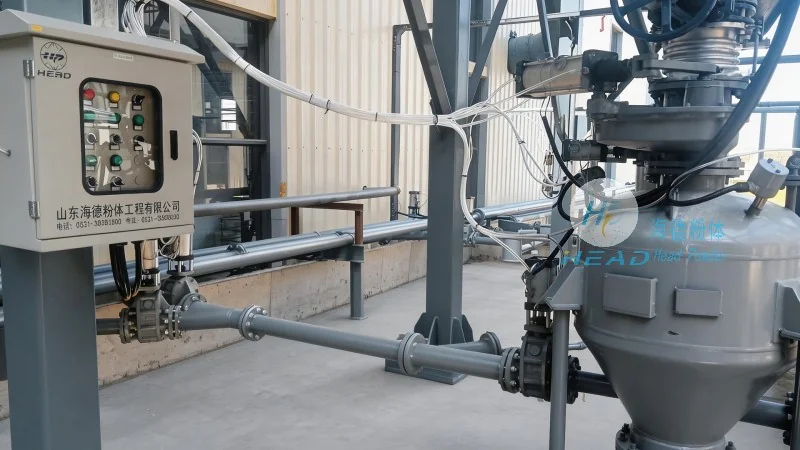
Discharge units are responsible for releasing the activated carbon granules from the system to the next processing stage or storage area. They are designed to ensure a controlled and uniform discharge, preventing material buildup or spillage. Common discharge methods include rotary valves, star feeders, and slide gates, each with its own advantages and applications.
The operation of the activated carbon granule material handling system follows a systematic process that ensures efficient material transport. The process begins with the loading of activated carbon granules into the feed hopper. The hopper level sensors detect the material level and signal the control panel to initiate the feeding process. The conveyor mechanism then starts, transporting the granules from the hopper to the discharge unit.
During the transport process, the control panel continuously monitors key parameters such as conveyor speed, material flow rate, and pressure. Any deviations from the set points are immediately detected and corrected by the control system. For example, if the conveyor speed is too low, the control panel will increase the speed to maintain the desired throughput. Similarly, if the material flow rate is too high, the feeding rate from the hopper may be adjusted to prevent overloading the conveyor.
Once the granules reach the discharge unit, they are released into the next stage of processing or storage. The discharge rate is controlled by the discharge mechanism, which can be adjusted to match the requirements of the downstream process. The entire operation is typically automated, with minimal human intervention required, ensuring consistent and reliable performance.
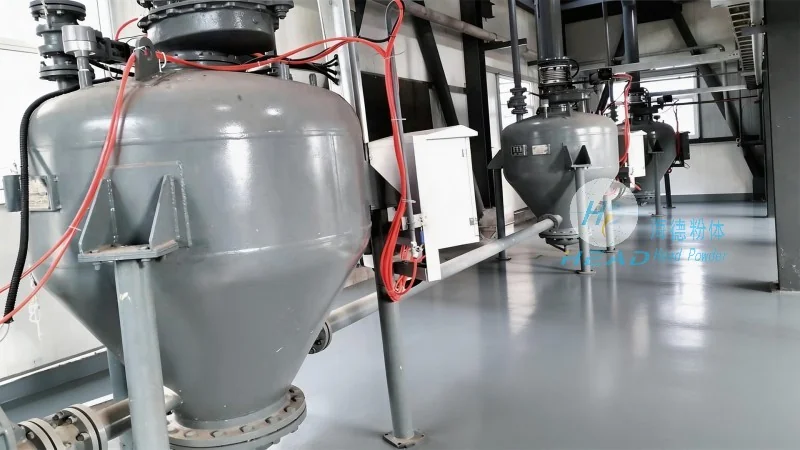
The working principles of the activated carbon granule material handling system are based on the physical properties of the granules and the mechanical design of the components. The system relies on gravity, mechanical force, or pneumatic pressure to move the granules through the system. The specific principle used depends on the type of conveyor and the application requirements.
For belt conveyors, the working principle involves the use of a moving belt to carry the granules. The belt is driven by a motor, and the granules are placed on the belt as it moves. The friction between the belt and the granules ensures that the material is transported along the path of the belt. The speed of the belt determines the transport rate, and the incline of the belt can be adjusted to control the flow of material.
Screw conveyors operate on the principle of a rotating screw that pushes the granules forward. The screw is typically made of stainless steel or other corrosion-resistant materials and is enclosed in a trough. As the screw rotates, it lifts and moves the granules along the trough. The pitch and diameter of the screw can be adjusted to control the transport rate and the pressure exerted on the material.
Pneumatic conveyors use compressed air to transport the granules. The system consists of a hopper, a blower, and a pipeline. The granules are fed into the hopper and then drawn into the pipeline by the air flow. The air pressure and velocity determine the transport rate and the distance the granules can be moved. Pneumatic conveyors are particularly useful for transporting materials over long distances or in complex layouts.
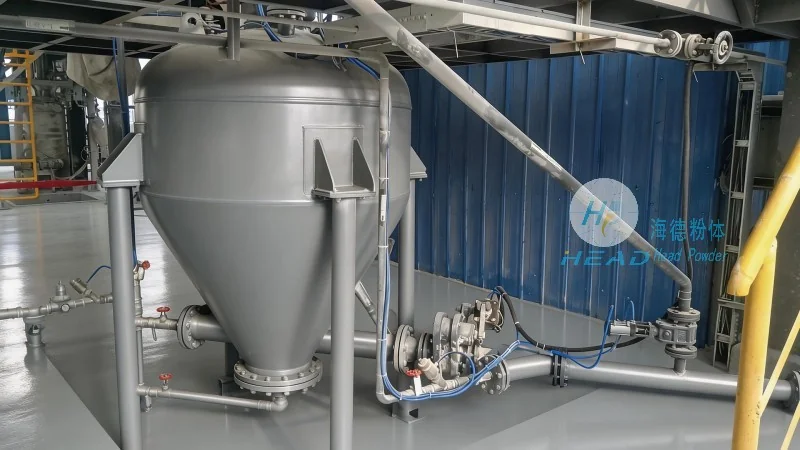
The activated carbon granule material handling system offers several advantages that make it an ideal choice for industrial applications. One of the key advantages is its high efficiency, which ensures that the material is transported quickly and reliably. The system is also designed to minimize material loss and contamination, which is critical for activated carbon, a material used in various industrial processes.
Another advantage is the system's flexibility. The components can be customized to meet the specific requirements of the application, such as the material characteristics, throughput, and space constraints. This flexibility allows the system to be adapted to different industrial settings, from small-scale operations to large-scale production facilities.
The system also offers low maintenance requirements, which reduces operational costs. The use of durable materials and robust components minimizes the need for frequent repairs or replacements. Additionally, the automated control system reduces the need for manual intervention, further lowering labor costs and improving safety.
In conclusion, the activated carbon granule material handling system is a critical piece of equipment for industrial applications involving the transport of activated carbon granules. The system, developed by Shandong HeadPowder Engineering Co., Ltd., combines advanced technology and robust design to ensure efficient and reliable material handling. By understanding the key components, operation process, and working principles of the system, users can make informed decisions about its application and maintenance, ensuring optimal performance and cost-effectiveness.

 Shandong Headpowder Engineering Co., Ltd.
 156-6277-7102(Manager Zhang)
  0531-83386006
  Zhangqiu District, Jinan City, Shandong Province, China
telephone
WeChatconsult
top