With more than 10‑year industry experience, Shandong Headpowder delivers full‑service pneumatic‑conveying systems and blowers, undertaking nationwide turn‑key powder‑handling projects.
Rice noodle production is a critical part of the food processing industry, and efficient material handling is essential to maintain product quality and operational efficiency. Pneumatic conveying systems have become a popular choice for transporting rice noodles due to their ability to handle delicate materials while minimizing contamination risks. However, one of the main challenges in this application is the risk of pipe blockages, which can lead to downtime and increased maintenance costs. Understanding the key design parameters that prevent such blockages is crucial for system reliability and performance.
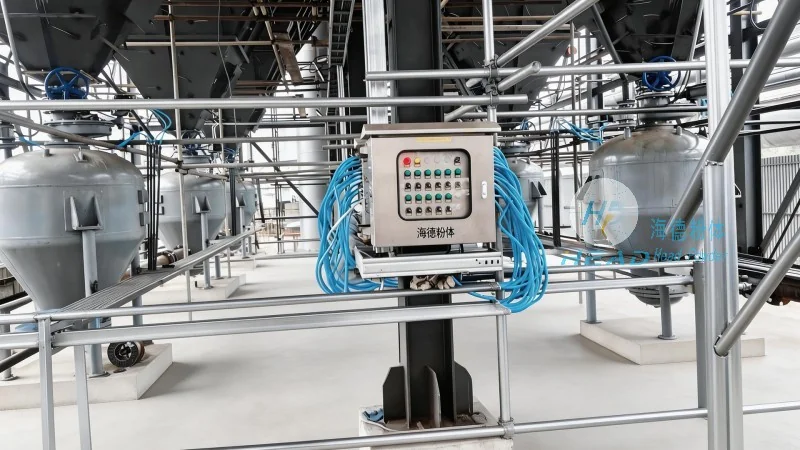
Rice noodles are typically produced in long, thin strips that can easily adhere to pipe walls or clump together during transport. This behavior, combined with the high moisture content and specific gravity of the material, creates ideal conditions for blockages. When air flow is disrupted by these obstructions, the entire system can experience pressure drops, leading to reduced throughput and potential equipment damage. Therefore, designing a pneumatic conveying system that mitigates these risks is paramount for rice noodle manufacturers.
Several critical design parameters must be considered when configuring a pneumatic conveying system for rice noodles to prevent pipe blockages. The first is the pipe diameter, which directly impacts the velocity of the material and air mixture. Larger diameters allow for higher material velocities, reducing the likelihood of material settling and adhering to the pipe walls. For rice noodles, a minimum pipe diameter of 100mm is often recommended to ensure smooth flow and prevent clogging.
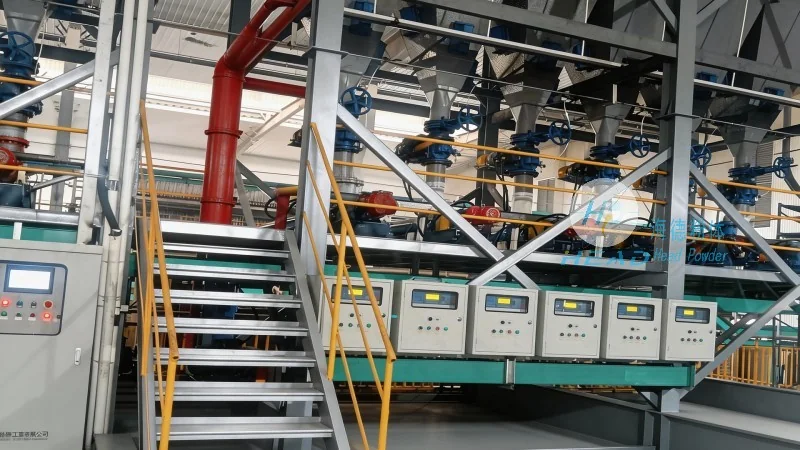
Another crucial parameter is the air velocity or material velocity. Maintaining an appropriate air-to-solid ratio (air-solid ratio) is essential. Too low a velocity can cause the material to settle, while too high a velocity may lead to excessive wear on the system components. For rice noodles, an air velocity of 20-25 m/s is commonly used, which provides sufficient force to move the material without causing damage.
The design of the conveying line itself also plays a significant role. The use of gentle bends and curves, rather than sharp angles, helps to prevent material accumulation and blockages. Additionally, incorporating cleaning mechanisms such as rotary valves or pulse jets can help to remove any buildup that may occur over time. These features are particularly important in systems that operate continuously, as they ensure long-term system reliability.
HeadPowder, a leading engineering company specializing in pneumatic conveying solutions, emphasizes the importance of selecting the right system components to prevent pipe blockages. For rice noodle transport, components such as rotary airlocks, cyclone separators, and dust collectors are carefully selected to match the material's characteristics. The rotary airlock, for example, is designed to control the flow of rice noodles and prevent backflow, which can contribute to blockages. Cyclone separators are used to separate the material from the air stream, ensuring that the material is conveyed efficiently without causing clogs in downstream equipment.
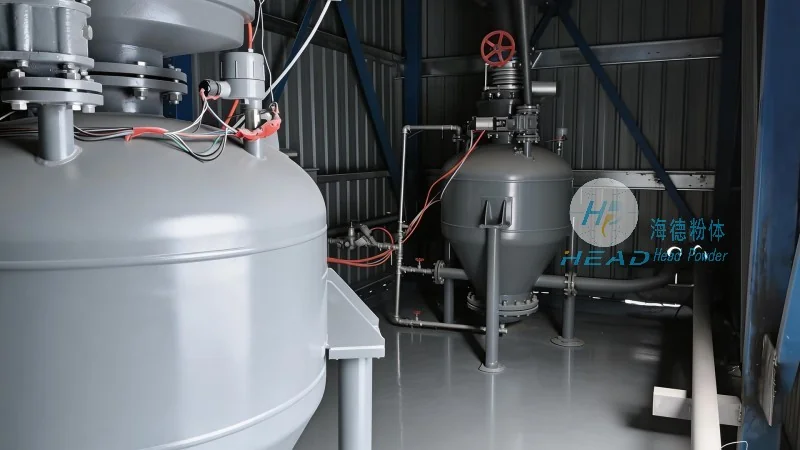
HeadPowder's expertise in material handling systems allows them to tailor solutions to the specific needs of rice noodle manufacturers. By considering factors such as material moisture content, particle size, and production volume, they design systems that minimize the risk of blockages while maximizing throughput. Their team of engineers works closely with clients to understand their operational requirements and provide customized solutions that meet industry standards.
Preventing pipe blockages in pneumatic conveying systems for rice noodles requires a comprehensive approach that considers multiple design parameters and system components. By selecting appropriate pipe diameters, maintaining optimal air velocities, and incorporating effective cleaning mechanisms, manufacturers can ensure smooth and reliable operation. HeadPowder Engineering Co., Ltd., with its headquarters in Shandong, China, offers specialized engineering services and solutions to address these challenges, helping rice noodle producers maintain high-quality production and operational efficiency.

 Shandong Headpowder Engineering Co., Ltd.
 156-6277-7102(Manager Zhang)
  0531-83386006
  Zhangqiu District, Jinan City, Shandong Province, China
telephone
WeChatconsult
top