With more than 10‑year industry experience, Shandong Headpowder delivers full‑service pneumatic‑conveying systems and blowers, undertaking nationwide turn‑key powder‑handling projects.
Wood ash, a byproduct of biomass combustion, is widely utilized across various industrial sectors. Efficient and reliable conveying systems are essential for handling this material, as its physical properties—such as high moisture content, variable particle size, and abrasiveness—pose unique challenges. This article provides a detailed comparison of common wood ash conveying methods, highlighting their advantages, limitations, and suitability for different operational scenarios. The information is presented by Shandong HeadPowder Engineering Co., Ltd., a leading provider of specialized material handling equipment based in China.
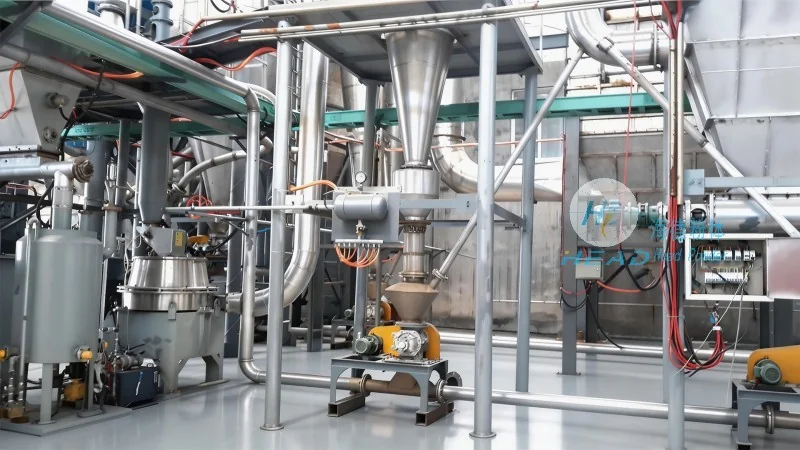
Before examining specific conveying methods, it is crucial to understand the inherent challenges associated with wood ash. These characteristics affect equipment performance and lifespan, making proper system selection vital for minimizing maintenance costs and ensuring operational efficiency. Shandong HeadPowder Engineering Co., Ltd. specializes in designing tailored solutions that address these challenges, ensuring optimal performance for clients in China.
Pneumatic conveying systems utilize air or other gases to transport wood ash through pipelines. This method is particularly effective for handling fine or powdery ash, as it can move material over long distances without mechanical components. There are two primary types: pressure and vacuum systems. Pressure systems are ideal for short to medium distances and high-volume applications, while vacuum systems are suited for longer distances or multiple source collection. A key advantage is the ability to handle abrasive materials with minimal wear. However, consistent air supply is required, and efficiency may decline with very coarse particles. Shandong HeadPowder Engineering Co., Ltd. offers customized pneumatic solutions that mitigate these limitations, ensuring reliable operation.
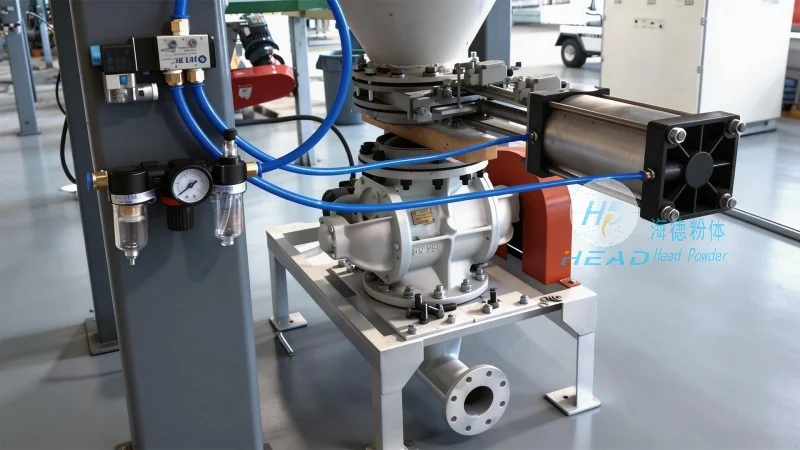
Mechanical conveying systems rely on components like belts, screws, and buckets to transport wood ash. These systems are generally more cost-effective for bulk handling and shorter distances. Screw conveyors are common for vertical or horizontal transport, while belt conveyors excel at moving larger particles over long horizontals. Bucket elevators are effective for vertical lifting. A major advantage is handling a wide range of particle sizes and moisture levels. However, higher wear from abrasive ash requires regular maintenance. Shandong HeadPowder Engineering Co., Ltd. designs robust mechanical systems to minimize wear and maximize efficiency.
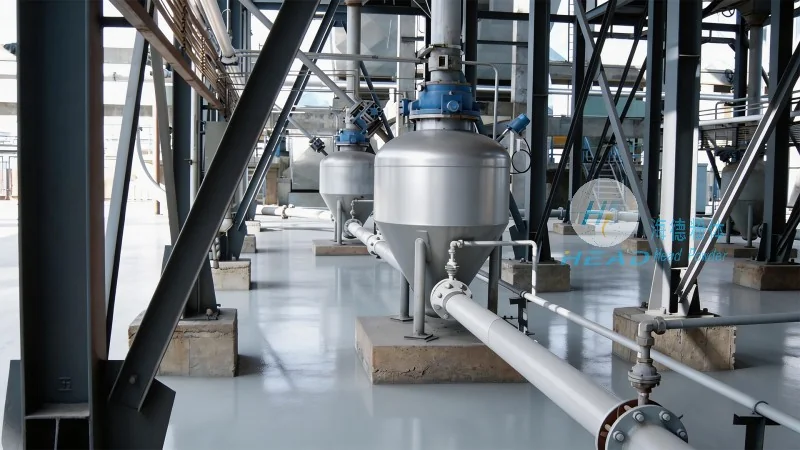
Hydraulic conveying systems use water or liquids to transport wood ash through pipelines. This method is effective for wet or slurry-like ash, maintaining consistent flow and preventing clogging. Suitable for long-distance transport and high volumes, hydraulic systems are often used when ash needs mixing with water for processing. However, they require a reliable water supply and are more complex to maintain. Shandong HeadPowder Engineering Co., Ltd. provides hydraulic solutions tailored to specific operational needs, ensuring efficient and cost-effective transport.
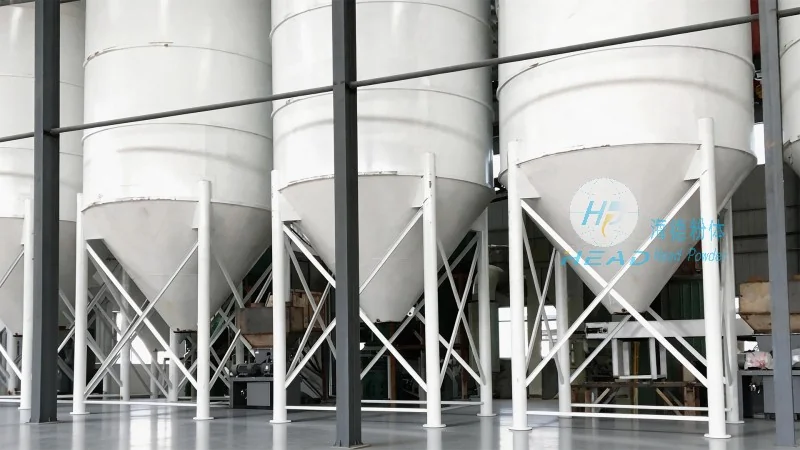
For complex applications, combination systems integrate multiple methods to address unique challenges. For example, pneumatic transport for fine ash and mechanical transport for larger particles. This approach offers flexibility and process optimization. Combination systems are more expensive and complex to install but provide the best performance for challenging scenarios. Shandong HeadPowder Engineering Co., Ltd. specializes in designing and implementing combination systems that meet client-specific requirements, ensuring efficient and reliable material handling.
The right wood ash conveying method depends on factors like ash properties, transport distance, and volume. Pneumatic systems suit fine ash and long distances; mechanical systems handle bulk/coarse ash; hydraulic systems are best for wet ash. Shandong HeadPowder Engineering Co., Ltd. offers comprehensive solutions that consider these factors, ensuring the most appropriate method is selected. By partnering with a specialized provider like Shandong HeadPowder Engineering Co., Ltd., clients can optimize wood ash handling, reduce operational costs, and enhance overall efficiency.

 Shandong Headpowder Engineering Co., Ltd.
 156-6277-7102(Manager Zhang)
  0531-83386006
  Zhangqiu District, Jinan City, Shandong Province, China
telephone
WeChatconsult
top