With more than 10‑year industry experience, Shandong Headpowder delivers full‑service pneumatic‑conveying systems and blowers, undertaking nationwide turn‑key powder‑handling projects.
Handling fly ash, a byproduct of coal combustion, is a critical aspect of industrial waste management and environmental protection. The material is not only fine and light but often exhibits sticky and abrasive characteristics that complicate standard logistics. Consequently, selecting the appropriate method for fly ash transportation is essential to ensure operational efficiency, prevent environmental pollution, and maintain equipment longevity. Among the various technologies available, pneumatic conveying has emerged as the preferred solution for many industrial applications due to its ability to handle bulk powders with high precision and cleanliness.
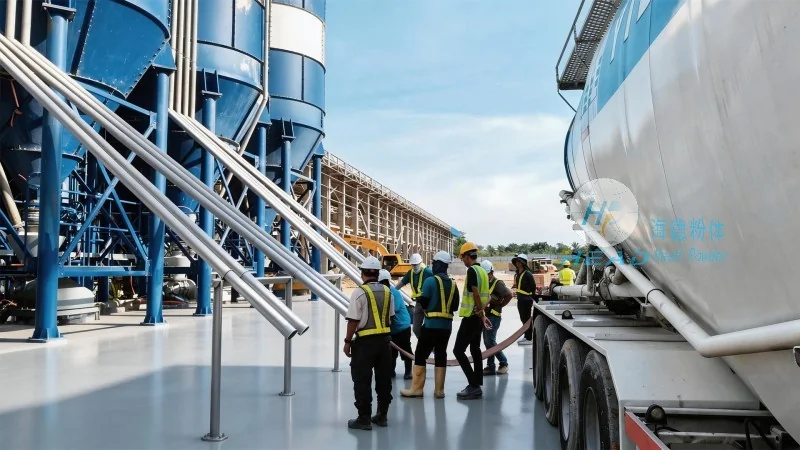
Shandong Headpowder Engineering Co., Ltd. (commonly known as headpowder) is a specialized enterprise dedicated to providing comprehensive solutions for bulk material handling. With a strong foundation in engineering and a deep understanding of material properties, the company focuses on optimizing fly ash transportation systems to meet the rigorous demands of modern power plants and waste processing facilities.
Before exploring transportation methods, it is vital to understand the physical properties of fly ash that dictate the choice of equipment. Fly ash is a fine, powdery residue collected from flue gases of fossil fuel combustion. It is extremely lightweight, which makes it prone to becoming airborne if not handled correctly. Furthermore, fly ash often contains unburned carbon and moisture, leading to agglomeration or clumping. This "stickiness" can cause blockages in mechanical conveyors. Additionally, the particulate matter is highly abrasive, posing a risk of wear and tear on equipment components. Therefore, a robust fly ash transportation system must address issues of flowability, dust control, and material integrity.
The industry generally categorizes bulk material handling into two primary categories: mechanical conveying and pneumatic conveying. Each method offers distinct advantages depending on the distance, volume, and environmental constraints of the facility.
Mechanical conveying relies on physical contact between the equipment and the material. Common devices include screw conveyors, belt conveyors, and bucket elevators.
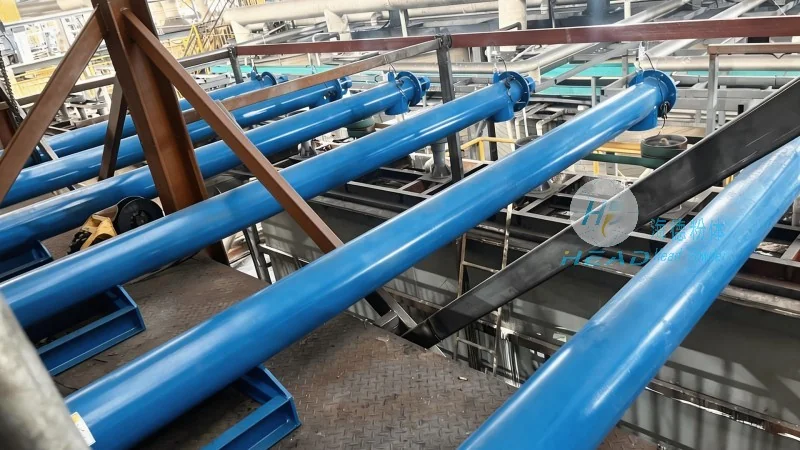
While these systems are often used for short distances and lower capacities, they present significant challenges when handling fly ash transportation. Screw conveyors, for instance, are prone to wear and clogging, especially when the fly ash is damp or sticky. Belt conveyors require a flat surface and are less suitable for vertical or inclined transport without complex mechanisms. Moreover, mechanical systems typically lack a fully enclosed design, which can lead to fugitive dust emissions, creating a hazardous work environment and violating environmental regulations.
In contrast, pneumatic conveying utilizes air pressure or vacuum to move materials through a pipeline. This method has revolutionized the handling of bulk powders, including fly ash. The core principle involves creating a pressure differential that forces the material to flow through the pipe. This technique is widely recognized as the most effective solution for fly ash pneumatic conveying, offering superior sealing capabilities and flexibility in layout.
The technology of pneumatic conveying for fly ash is sophisticated and can be tailored to specific operational needs. The system generally consists of a source of compressed air, a feed system (such as a rotary airlock or a double-check valve), a pipeline, and a receiving vessel.
Engineers must decide between positive pressure and negative pressure systems based on the facility's layout.
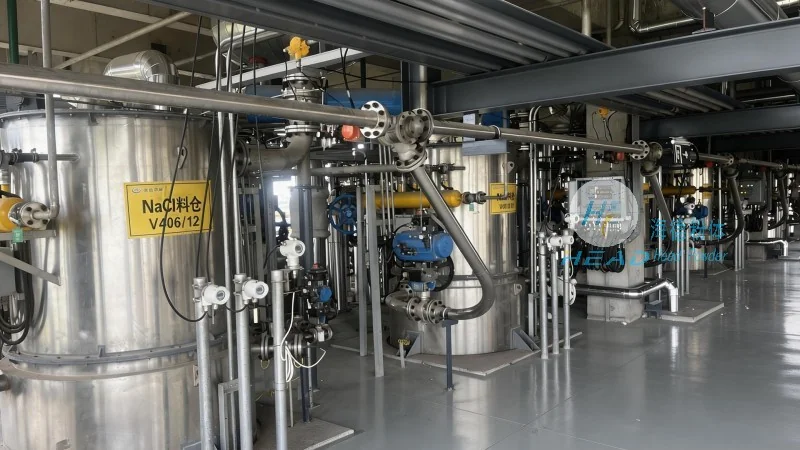
The behavior of the air and material mixture is categorized into two phases:
Implementing a high-quality fly ash transportation system offers numerous benefits beyond simple logistics:
Firstly, it ensures a completely enclosed process, eliminating dust emissions and protecting the surrounding environment. Secondly, it allows for flexible routing, enabling the equipment to navigate around existing plant structures without extensive civil engineering work. Thirdly, it provides automated control, reducing the need for manual intervention and lowering labor costs. Shandong Headpowder Engineering Co., Ltd. specializes in designing these automated systems to ensure seamless integration into existing industrial processes.
When selecting a partner for bulk material handling, technical expertise and reliability are paramount. Shandong Headpowder Engineering Co., Ltd. stands out in the industry due to its comprehensive approach to fly ash pneumatic conveying. The company does not merely sell equipment; they provide end-to-end engineering solutions.
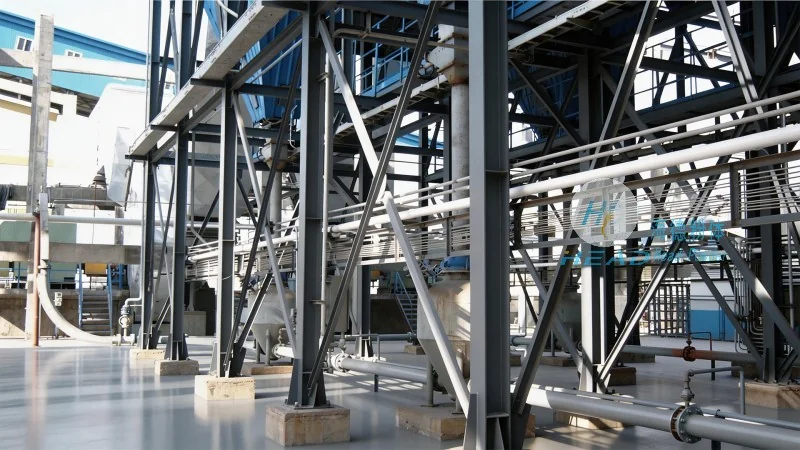
The team at headpowder understands the nuances of different fly ash compositions. Whether the material is high in calcium, high in carbon, or highly abrasive, the engineers can design a customized pipeline diameter, valve selection, and air compressor specification to ensure optimal flow. Located in Shandong, China, the company leverages advanced manufacturing capabilities to produce durable, wear-resistant components that withstand the harsh conditions of fly ash transportation.
A reliable pneumatic conveying system relies on precision components. Headpowder integrates high-performance rotary airlock valves to ensure airtight feeding, preventing air leakage and maintaining system pressure. The use of pulse-jet cleaning filters keeps the pipeline clear of residue, ensuring consistent flow rates. Furthermore, the control panels are designed for user-friendly operation, allowing operators to monitor pressure, flow, and system status in real-time.
For facilities seeking to upgrade their material handling capabilities or install new fly ash transportation infrastructure, professional consultation is the first step. Shandong Headpowder Engineering Co., Ltd. is ready to provide technical support and tailored proposals.
If you require detailed information regarding pneumatic conveying technology or need to discuss the specific requirements of your material handling project, please contact our management team. You may reach out to Manager Zhang for direct assistance. Communication can be facilitated via WeChat at the number 15662777102. Our team is committed to providing the expertise necessary to optimize your fly ash transportation processes and ensure your facility operates with maximum efficiency and safety.

 Shandong Headpowder Engineering Co., Ltd.
 156-6277-7102(Manager Zhang)
  0531-83386006
  Zhangqiu District, Jinan City, Shandong Province, China
telephone
WeChatconsult
top